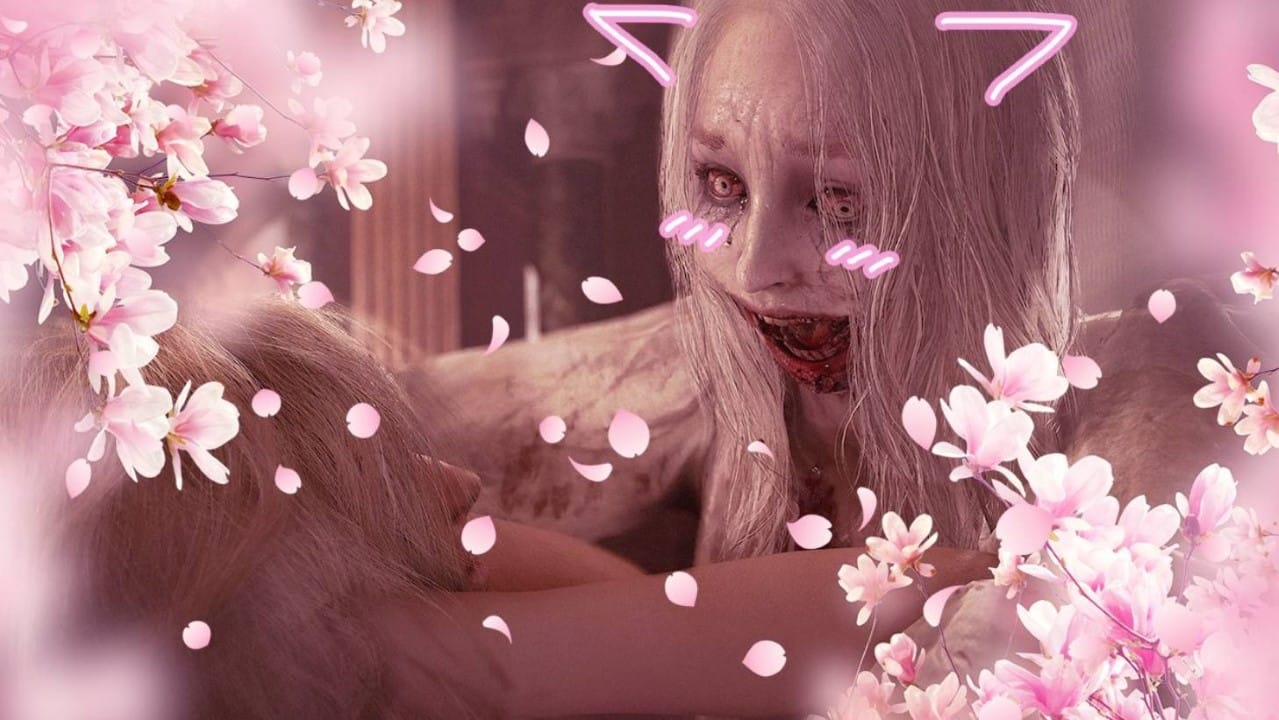
The Capcom development team made an unusual visual change to one of the enemies in the game Resident Evil Requiem on digital platforms. The action transformed a horror creature characteristic of the franchise into an avatar with childish and friendly features, generating immediate debates among players about the tone of marketing campaigns in the digital entertainment sector and the flexibility of the company’s intellectual properties.
The movement on social media broke the survival horror series’ pattern of dark communication, demonstrating an adaptation by gaming companies to the internet’s engagement dynamics. The developer used humor and breaking expectations to keep the title in the spotlight months after the official launch in physical and online stores, reaching a diverse audience that consumes viral content daily.
The official publication presented specific modifications to the monster’s original design, completely altering the visual perception of the virtual threat. The developers applied the following changes to the character modeling:
– Bochechas blush added to the character’s face.
– Inclusão of animal ears in three-dimensional modeling.
– Substituição of the dark scenery through an environment with cherry blossom petals.
– Remoção full of graphic elements of violence and bodily tension.
This promotional strategy achieved high viewing rates, proving the effectiveness of unconventional approaches in maintaining the relevance of consolidated intellectual properties in the global technology market. The organic repercussion exceeded the initial expectations of the Asian publisher’s communications department.
Public interaction leads to graphic changes
The origin of the publication goes back to a public conversation with Hideki Kamiya, former employee of Capcom and director of classic titles in the electronic games industry. The veteran used his personal account on March 10 to suggest an alternative game mode, focused on less aggressive and more colorful visual elements, aimed at an audience sensitive to scares.
During the post, the developer proposed replacing the undead with cute versions and swapping combat effects for a rain of cherry blossoms. The brand’s community management team took the suggestion and produced the concept art within 48 hours, publishing the result on the franchise’s international account to surprise followers.
Zombie singer mechanics in gameplay
The target of the digital edition was the character known to players as the zombie singer, present in the first hours of the main campaign of Resident Evil Requiem. The creature acts as an immersion obstacle, presenting behavior distinct from conventional enemies found in survival game scenarios and requiring stealth tactics from users.
Instead of chasing the player’s avatar in a direct and irrational way, the monster wanders through the environments performing dance steps and emitting melancholic vocalizations. The sound design acts as a proximity alert, heightening anxiety while exploring the corridors and contrasting with the traditional groans of other infected people spread across the map.
The subversion of this specific psychological horror element expanded the game’s reception on social media exponentially. The transformation of a figure that causes sound and visual discomfort into a harmless drawing demonstrated the art team’s knowledge of affective memory and the public’s reception of the company’s products.
Sales strategies in the entertainment sector
Maintaining the relevance of single-player, narrative-driven games requires ongoing communications approaches beyond the initial sales window. Títulos games face the hurdle of attracting new consumers without relying on daily updates, seasonal events, or battle passes, which are common retention methods in competitive multiplayer games.
The use of image edits and humorous interactions represents a low production cost tactic with high potential for organic reach on digital platforms. Capcom’s post outperformed traditional ad engagement metrics like system update notes or fixes for minor software programming errors.
Breaking the fourth wall and self-deprecating humor helps humanize the corporation and brings developers closer to the active consumer base. Esse type of action generates highly shareable material, inserting the product name into the recommendation algorithms and timelines of various virtual platforms daily, without additional sponsorship costs.
The contrast between the violence of the game and the lightness of the post attracts the attention of the specialized press and encourages debates in discussion forums about character design. The tactic reaches potential buyers who would normally avoid promotional materials focused exclusively on scares, proving that humor is a viable sales tool for dark products.
Business performance and modern platforms
Resident Evil Requiem maintains a stable sales volume in the international market, driven by the availability of modern high-performance hardware. The horror survival software can be accessed on the PlayStation 5 and Xbox Series X|S consoles, in addition to having versions optimized for computers through the digital stores Steam and Epic Games Store. Multiplatform distribution ensures that the product reaches different consumer profiles around the world, consolidating the franchise’s installed base and guaranteeing a financial return on the development costs of the company’s proprietary graphics engine, which requires constant investments in research and technological innovation on the part of software engineers.
The title is also part of the Nintendo Switch 2 catalog, featuring graphic adaptations developed specifically for the architecture of the new generation portable device. In the Asian market, the game is sold for 7,718 yen on the Sony platform and 7,636 yen on the Nintendo system. Estes values reflect the developer’s current pricing policy for big-budget releases and already include the local tax rates applicable at the time of sale in Japanese digital stores, demonstrating an alignment with the economic practices of the interactive entertainment sector in the Asian region and ensuring the product’s competitiveness compared to other major releases.
Japanese pop culture and aesthetic contrast
The aesthetics applied to the promotional image speak directly to a specific aspect of Japanese pop culture, which often combines elements of horror with adorable or childish visual features. Essa fusion of antagonistic concepts generates an immediate visual shock, deconstructing the oppressive atmosphere that characterizes the original design of the franchise’s monsters and creating a piece of communication that is easy to assimilate for the general public. Jogadores from different regions of the planet reacted positively to the initiative, producing and sharing their own montages with other classic villains from the series in various online communities. The phenomenon demonstrates how the fan base appropriates official materials to independently expand the game’s universe, creating an ecosystem of user-generated content that feeds back on the popularity of the original brand without requiring additional investment in traditional advertising campaigns by the publisher. Essa dynamics strengthen long-term engagement, transforming passive consumers into active promoters of intellectual property, which results in a continuous cycle of organic visibility essential for the longevity of titles focused on solitary campaigns and linear narratives.
Community requests for official modifiers
The repercussion of the concept art motivated a significant number of players to request the implementation of similar visual filters in the game’s official code definitively. Users suggest adding unlockable options after completing the main story, allowing you to change the appearance of enemies and combat effects during secondary exploration sessions, adding replayability value to the commercialized product.
Preservation of the franchise’s artistic identity
Despite the positive reception of the digital campaign, the producer remains committed to delivering experiences focused on high tension and psychological horror in its official releases. The company’s statements reinforce that the core design and atmosphere of Resident Evil Requiem remain unchanged, preserving the original vision of the directing team and the legacy of the survival series that has defined the genre in recent decades.
Relaxed publications operate only as a parallel channel of relationship with the public, completely dissociated from the immersive experience of the final product. Capcom continues to utilize its social media to balance light-hearted community interaction with factual, serious promotion of its vast catalog of games, ensuring the integrity of its core brands in the competitive global electronic entertainment market.
