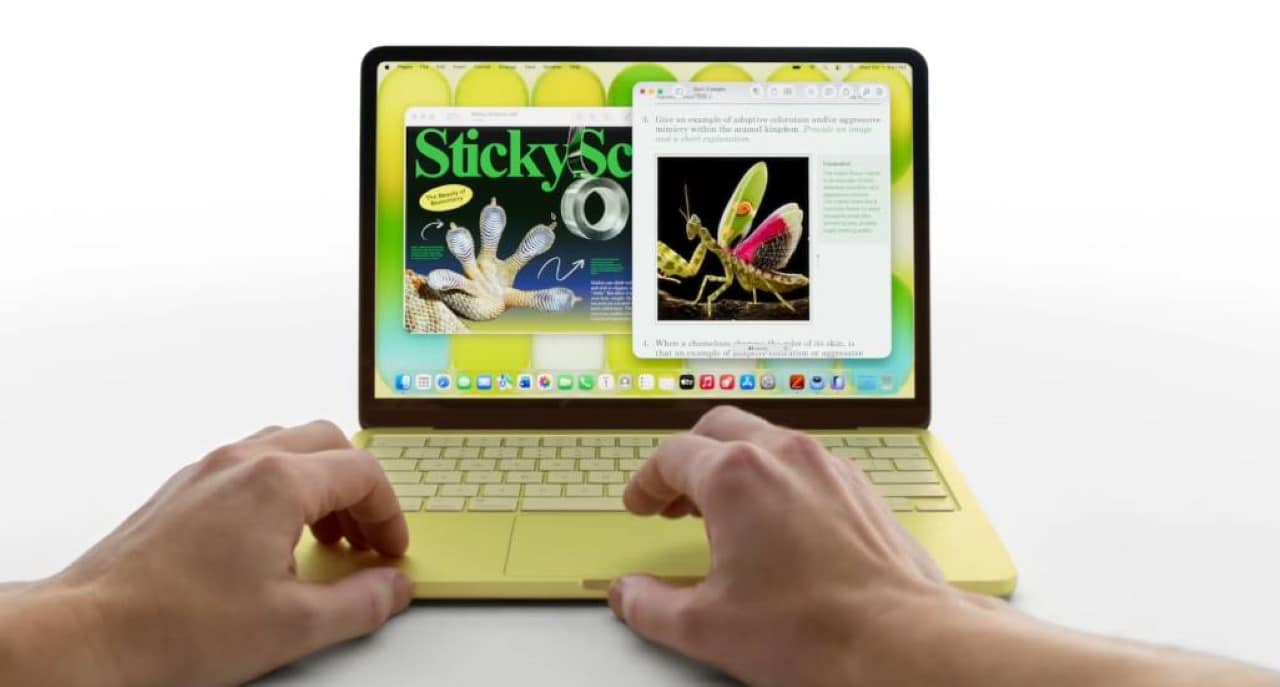
The launch of the MacBook Neo by Apple, priced at US$600, marks a significant change in the company’s design philosophy. Pela For the first time in years, the technology giant has opted for an approach that prioritizes ease of repair, moving away from excessive use of glue on its devices. The Esta decision positions the Neo as one of the most affordable laptops for users to maintain themselves.
The arrival of this basic but innovative model surprised the market and repair experts. The sober design, mechanical keyboard and basic touchpad hide an internal revolution that could indicate a new path for Apple in relation to the durability and longevity of its products. The accessibility of the internal hardware represents a notable advance in usability.
Since 2020, Apple laptops have been notorious for being difficult to open and repair without specialized tools. The MacBook Neo, however, reverses this trend, offering a friendlier experience for those looking to extend the life of their equipment.
Repair-first design
Experts at iFixit, renowned for their electronics repairability reviews, have confirmed that the MacBook Neo is the “easiest MacBook to repair in nearly 14 years.” The main reason for this classification is the replacement of glue with traditional screws.
To access the inside of the laptop, simply remove the eight pentalobe screws located on the back cover. Essa change eliminates the need to heat the device to melt the glue, a process that was previously essential and risky for most MacBooks released in recent years.
Internal components and user autonomy
Apple has also refrained from implementing microcontrollers or other security mechanisms that could prevent the device from functioning after replacing parts outside of an authorized store. Essa flexibility is a game changer for the repair and user community.
Removing the battery, for example, only requires unscrewing 18 screws, a much simpler alternative than the previous method, which involved batteries glued or fixed with adhesive tape. Da Likewise, the keyboard can be replaced by removing 41 screws, and Apple offers detailed guides for these replacements on its support page.
User Experience and Hardware Tradeoffs
While the MacBook Ele uses the A18 Pro chip, the same one found in iPhones, which contributes to the fluid usage experience.
The device weighs 1.2 kg, the same as a 13-inch MacBook Air with M5 chip, and maintains the feel of a premium product despite the reduced cost. Essas design and component choices were made to balance cost, weight and ease of repair, directly impacting specifications.
Comparison with other models and the future of the Apple
The MacBook Thinner and lighter Laptops naturally limit space for screws, favoring glued and integrated components.
However, the market offers examples of laptops that combine robust design with high repairability. The Lenovo, with its ThinkPad line, such as the ThinkPad X1 Carbon, has stood out, receiving top marks from iFixit for designs that require no tools for keyboard and battery replacement. The company demonstrates a growing enthusiasm for exchanging parts.
Framework, in turn, leads the segment of affordable, buildable and fully repairable PCs. Seus laptops allow users to replace all components, including the motherboard and SoC, showing that it is possible to have a device that is compact and yet flexible for maintenance. The MacBook Neo suggests an important consideration for the Apple, especially considering recent performance challenges in high-end models like the MacBook Atualizar Designing to accommodate more powerful chips while simultaneously facilitating repairability could be a crucial next step for the company.
