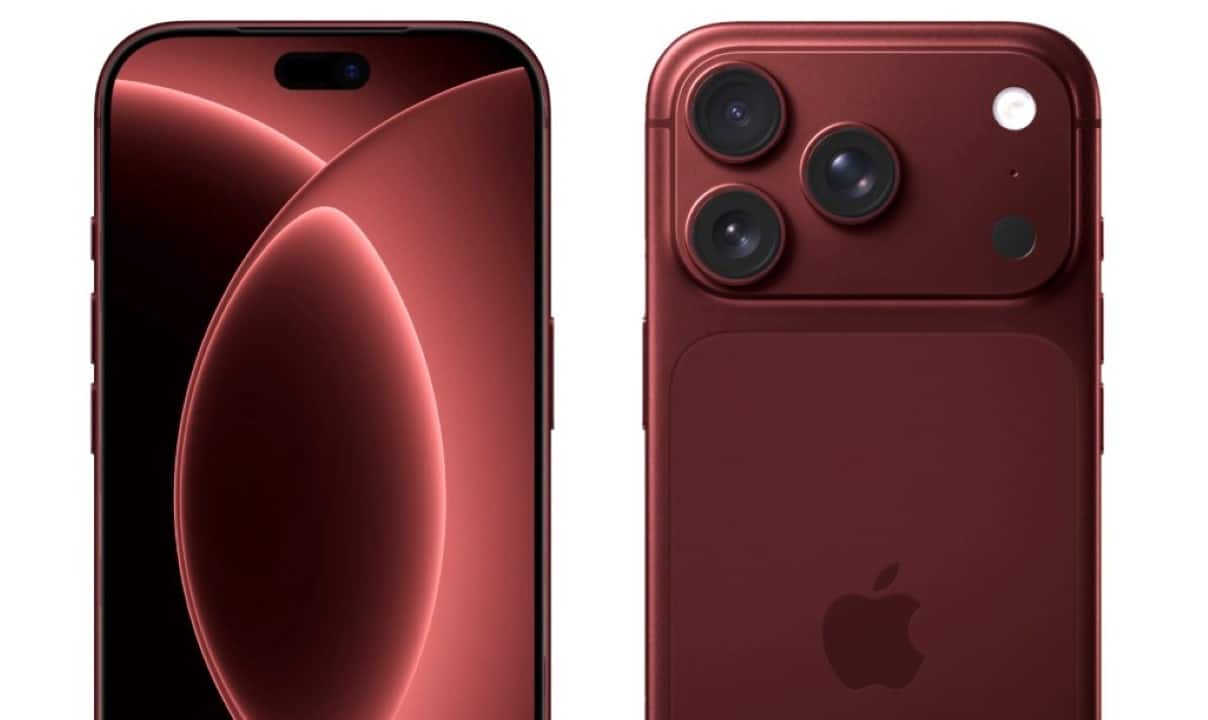
The Cupertino-based technology giant has begun preparations to introduce a drastic overhaul to its flagship line of mobile devices. The development of the next generation of high-performance smartphones points to the adoption of a translucent back panel, accompanied by a power module that surpasses the 5000mAh mark. Essa structural change requires complete reengineering of internal components, as boards, connectors and thermal dissipation systems will be visible to consumers. The industrial design team works to ensure that the internal aesthetics correspond to the brand’s visual standard, eliminating rudimentary elements and optimizing the arrangement of microchips to create a clean and highly technological visual appearance.
Chassis construction challenges
Implementing a translucent surface brings significant physical complexities to the assembly line and quality control. The chosen material needs to resist scratches, drops and, above all, yellowing caused by prolonged exposure to ultraviolet rays and the heat generated by the high-performance processor.
To circumvent these vulnerabilities, specific chemical compounds are being tested in the Asian supply chain. The objective is to create reinforced glass that maintains optical clarity over the years, guaranteeing the durability required for equipment positioned in the premium segment of the telecommunications market.
Reorganization of internal components
The internal redesign forced the engineering team to rethink the allocation of every cable, connector and mounting screw. Elementos that were previously hidden by an opaque metal plate now need to have a refined finish, requiring more precise manufacturing processes and surface treatments that prevent visible oxidation.
Thermal management has become a critical point in this new hardware architecture. Sem the possibility of using large conventional graphite plates indiscriminately, engineers look for cooling solutions that are efficient in heat dissipation and visually pleasing through the rear glass.
The use of miniaturized vapor chambers and conductive materials with a brushed or textured finish is in an advanced stage of approval. Essas parts must transfer heat from the central processor to the edges of the device without compromising the transparency of the back panel or the performance of the device under maximum load.
Advances in display technology
The dimensions of the screens should show a slight increase in relation to past generations, changing the frontal proportion of the device. The standard model of the professional line will maintain a 6.3-inch display, while the larger variant will reach 6.9 inches, maximizing the useful interaction area for the user.
The main front innovation lies in the concealment of the biometric facial recognition sensors. The three-dimensional mapping system and front camera are being designed to operate underneath the OLED panel, eliminating the need for large cutouts at the top of the screen and changing the way the operating system displays information.
This technological transition allows for a cleaner user interface and a completely seamless media consumption experience. The dynamic notifications area will be reduced to a minimum size, activated only when there is direct interaction between the software and the user or critical system alerts.
The panel’s luminous efficiency has also been improved through new light-emitting materials. The new generation of displays consumes less energy to achieve higher peak brightness, making it easier to view content in outdoor environments with strong direct sunlight, without draining the device’s charge quickly.
Autonomy and energy density
Power supply represents one of the biggest technical leaps in current engineering design. The battery capacity will exceed the 5000mAh barrier, reaching up to 5200mAh in the larger structural version. Esse significant increase does not result in a thicker or heavier device, thanks to the use of high-density cells that store more charge in the same physical volume. The internal chemistry of the batteries has been altered to support faster charge cycles and extend component life, reducing natural degradation over months of intense use and maintaining thermal stability during recharging.
To accommodate this enlarged power cell, complete removal of the physical carrier chip tray has been mandated as standard for all global markets. The definitive transition to eSIM technology frees up valuable internal space, which is immediately redirected to battery expansion and the allocation of new communication modules. Essa structural change also improves the device’s sealing against the entry of water and dust, eliminating a vulnerable mechanical point on the side of the chassis and simplifying the assembly process in factories.
Processing and memory architecture
The operating core of the device will be powered by a processor manufactured under the advanced 2-nanometer lithography process. Essa extreme miniaturization of the transistors guarantees unprecedented computing power, optimized specifically for artificial intelligence tasks performed locally, without the need for constant connection to external cloud servers. Acompanhando the new silicon chip, random access memory will be increased to 12 gigabytes, allowing the maintenance of multiple heavy applications in the background and the fluid execution of complex language models directly on the hardware. The energy efficiency of this new processor is essential to balance the consumption of the brighter screen and new image capture sensors, ensuring that the high-capacity battery delivers real extended autonomy. Deep integration between physical hardware and the operating system has been tuned so that the task manager directs processing resources only when strictly necessary, keeping high-performance cores idle during routine, low-impact activities.
Expanding remote connectivity
The satellite communications module received radio frequency upgrades to enable the transmission of heavier and more stable data packets. Usuários located in remote areas, outside the coverage area of traditional cellular networks, will be able to send text messages, share location coordinates in real time and access rescue services with higher connection speeds.
Optical system and image capture
The rear camera set will undergo an important mechanical redesign, with the introduction of a main lens equipped with a variable aperture system. Essa technology allows the sensor to physically adjust the amount of light entering the lens through movable blades, intelligently adapting to overly lit environments or nighttime shooting scenarios. The precision of this mechanism guarantees photographs with real optical depth of field, bringing the final result closer to the quality obtained by dedicated professional photographic equipment.
Image signal processing will work in sync with the new physical lenses to reduce visual noise and improve color palette fidelity. The anti-reflective coating applied to the cameras’ external glass has been modified at a molecular level to prevent light distortion when photographing direct light sources. Toda The camera module structure has been reinforced with lightweight metal alloys to support the variable aperture mechanism without compromising optical stability when recording high-resolution videos on the move.
Supply chain movement
Partner factories located on the Asian continent have already started calibrating their industrial machinery to meet the new zero tolerance design requirements. Initial production of the translucent components and redesigned motherboards is scheduled for the second quarter, ensuring time for stress testing.
Final assembly of the devices will require an even stricter cleanroom environment, preventing micro-particles of dust from becoming trapped under the clear back glass. The manufacturing schedule foresees the accumulation of strategic stocks to support simultaneous global demand at the time of official retail distribution.
…
