
Tribunal Superior of Seul ordered the electronics manufacturer to financially compensate a group of consumers for intentionally limiting capacity in mobile devices. The decision ends a long legal dispute involving the feature known as Game Optimizing Service, a software embedded in devices that drastically reduced processing power when running heavy applications. The legal measure directly affects 1,882 smartphone owners who joined the class action against the technology company.
The controversy began shortly after the devices’ commercial launch, when independent tests revealed that the operating system cut the performance of the central processing unit and graphics processor. Users reported that the software intervention occurred automatically and silently, without offering a native option to disable performance blocking. The manufacturer argued during the process that the tool was a safety mechanism designed to prevent internal components from overheating and extend battery life during heavy use.
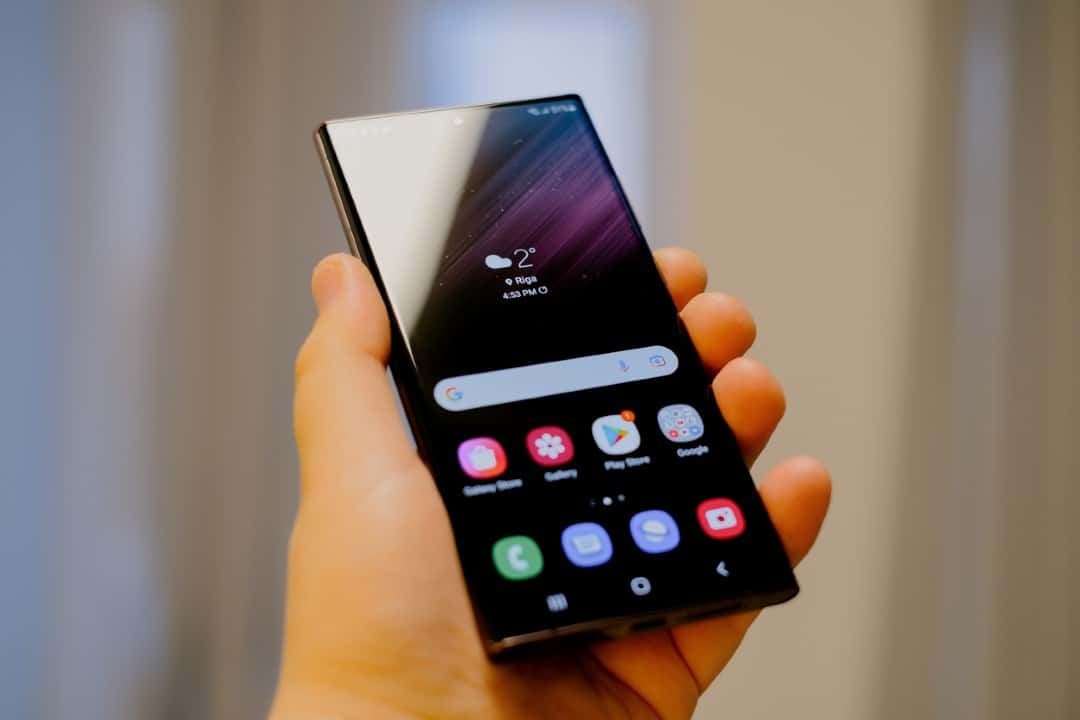
The magistrate responsible for the case issued a mandatory mediation order to put an end to the dispute that was dragging through the courts. The determination establishes that the company must make individual payments to the plaintiffs, although the exact amounts of the financial agreement have not been publicly disclosed by the parties involved. The process highlighted the tension between the marketing promises of big technology companies and the actual delivery of performance to end buyers.
Court’s understanding of device advertising
The basis of the consumers’ arguments centered on the allegation of misleading advertising by the manufacturer during the device launch campaign. Promotional materials highlighted the presence of state-of-the-art processors and advanced graphics capabilities, aimed specifically at the high-demand electronic game consumer audience. However, the presence of a hidden software limiter directly contradicted the technical specifications advertised on shop windows and official sales channels.
During the initial stages of the process, lower courts even rejected claims for compensation for material damages, but the interpretation changed throughout the appeals. The high court recognized that the company’s communication strategy had the potential to create false expectations among customers, who paid premium prices for equipment classified as top of the line. The lack of transparency about how thermal management works was considered a determining factor in the decision in favor of phone owners.
Technical functioning of the game optimization system
The software at the center of the dispute acts as a constant monitor of the smartphone’s physical parameters, evaluating the casing temperature and energy consumption in real time. Quando the system detects the opening of a game with complex three-dimensional graphics, it imposes an artificial ceiling on the operating frequency of the processing cores.
This technical limitation results in a noticeable drop in the frame rate per second, affecting the fluidity of animations and the response time to screen touch commands. Para the most demanding players, the difference in performance transformed a high-cost device into a device with performance equivalent to models in lower categories.
The engineering behind mobile devices faces the constant challenge of dissipating the heat generated by increasingly powerful chips in extremely small spaces. Sem Active cooling systems, like the fans found in computers, manufacturers rely on software solutions to prevent extreme heat from damaging the motherboard or causing accelerated degradation of lithium battery cells.
Initial consumer reaction and software updates
The discovery of the performance limiter generated a wave of criticism on technology forums and social networks on a global scale. Especialistas in hardware demonstrated that the software identified thousands of applications by name and applied restrictions selectively, sparing applications from benchmark testing to maintain high scores in benchmarks.
This discrepancy between real use and synthetic tests led renowned performance measurement platforms to remove the brand’s devices from their official databases. The attitude of the test platforms increased the visibility of the problem, forcing the manufacturer to issue official statements to explain the architecture of its energy management system.
In response to market pressure and the beginning of legal movements, the company released an operating system update weeks after the case broke. The software package included a new performance management settings menu, allowing users to bypass the more severe restrictions of the original system.
Despite the software correction, the South Korean consumer group maintained the legal action, arguing that the late solution did not erase the fact that the devices were sold with incomplete information. The update served as a technical palliative, but the damage to the confidence of the first buyers had already motivated the search for financial redress in the courts.
Details of the court process and mandatory mediation
The collective action brought together owners of the three main variants of the smartphone line launched that year. The initial request filed by the prosecution lawyers demanded the payment of 300,000 won to each individual listed in the case, as compensation for the breach of expectations and the lack of clarity in the product specifications.
The outcome of the case occurred after three formal conciliation sessions that ended without a voluntary agreement between company representatives and consumer protection. Diante of the prolonged impasse, the responsible judge exercised his prerogative to impose a binding resolution, balancing the interests of the parties and ensuring that clients received compensation without the need to prolong the litigation for more years.
Impact on the high-performance mobile device market
The outcome of this trial sets an important precedent for how technology companies should communicate the limitations of their hardware. The demand for full transparency regarding thermal throttling mechanisms has become a central agenda in the development of new consumer electronics products.
Competing manufacturers began to more precisely detail the operation of their own cooling and energy management systems. The mobile device industry as a whole has taken a more cautious stance when announcing performance gains, including clearer footnotes about ideal usage conditions and thermal protections built into operating systems.
Evolution of the line and measures adopted in subsequent generations
After the image deterioration caused by the episode of aggressive software management, the manufacturer’s engineering strategy underwent significant reformulations in the following years. The focus of hardware development turned to improving physical heat dissipation, resulting in the implementation of considerably larger vapor chambers in subsequent generations of smartphones. The increase in physical cooling area allowed new processors to maintain high operating frequencies for longer periods, reducing the need for drastic operating system interventions. Essa paradigm shift in the internal design of devices demonstrates a direct adaptation to consumer demands for sustained performance that corresponds to the value invested in the equipment, prioritizing mechanical solutions over hidden code limitations.
Payment of compensation to affected customers
The legal procedures now enter the execution phase, where the company must organize the logistics of transferring the compensatory funds to the 1,882 customers registered in the action. The closure of this judicial chapter reinforces consumer rights in the technology sector and ends active legal disputes over the specific performance of this generation of devices in the Coreia of the Sul.
