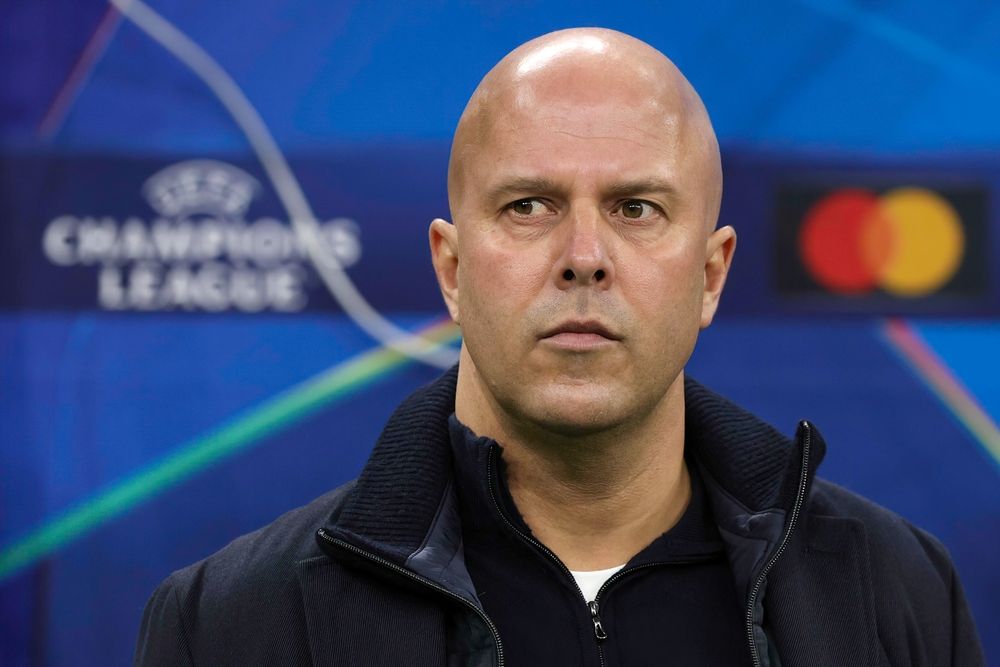
The arrival of Arne Slot as coach of Liverpool marks the beginning of a new era for the English club, following the historic departure of Jurgen Klopp. The board’s decision to bet on the Dutch coach was classified by former players and sports analysts as an inevitable move given the need for tactical renewal. The transition process in Anfield requires not only adapting to a new game model, but also managing the pressure inherent to one of the most traditional teams in European football. The change of command ends a winning cycle and establishes the basis for a sporting project focused on ball possession and territorial control.
The weight of succession on the bench
Replacing a coach who has won every possible title for the club represents a task of immense proportions for the new coaching staff. Jurgen Klopp built a deep relationship with fans and established a standard of intensity that became the team’s trademark for almost a decade.
Arne The English club’s board opted for a more analytical and less passionate profile, seeking a smooth transition that does not destabilize the dressing room environment.
Experts point out that patience will be essential in the first months of work, a period in which fluctuations in performance are considered normal. The acceptance of the group of players to new training methodologies will dictate the pace of collective evolution within the four lines.
Tactical differences and the new game model
The style of play implemented by the new coach directly contrasts with the system of quick transitions and constant high pressure used in previous years. The Dutch philosophy prioritizes the construction of plays from the defense field, using short passes and coordinated movement to break the opponent’s lines.
This change requires technical and cognitive adaptation from athletes, who were used to more vertical and aggressive football. The midfielders now have a role of greater control and pace, dictating the pace of the match instead of seeking to attack at all costs.
Possession of the ball stops being just a defensive resource and becomes the main tool for creating scoring opportunities. Defenders also assume new responsibilities when passing the ball, needing to demonstrate greater technical quality under pressure from opposing attackers.
Tactical observers highlight that implementing this model requires time and exhaustive repetition in daily training. The effectiveness of the system will depend on the players’ ability to assimilate instructions and execute movements with millimeter precision during official clashes.
Adapting to the rhythm of English football
The transition from the Dutch league to Premier League imposes a reality check in terms of physical intensity and weekly competitiveness. The English championship is widely recognized for its extreme athletic demands, where recovery time between matches is reduced and the level of opponents is consistently high.
The new commander needs to adjust his tactical periodization methodology to ensure that the squad can withstand the marathon of games without suffering from a high number of muscle injuries. The ability to make quick tactical changes to neutralize opponents’ strengths will be tested in each round of the national tournament.
Board expectations and strategic planning
The strategic planning prepared by the club’s top management establishes clear goals for the development of the sports project in the medium and long term. The board understands that the tactical reformulation requires a period of maturation, but requires the team to remain in the classification zone for Liga of Campeões of Europa. Investment in data analysis and athlete recruitment infrastructure was intensified to provide all the necessary support to the new coaching staff. The integration between the youth teams and the professional squad also appears as a central pillar of this new phase, aiming to reveal talents that fit perfectly into the proposed game system. The club’s financial sustainability directly depends on sporting success, which adds an extra layer of responsibility to the decisions made by the football department. The alignment of expectations between managers and the coach is constantly monitored to avoid institutional crises in times of unstable results on the field.
Movements in the transfer market
The adaptation of the squad to the demands of the new tactical scheme motivates calculated movements in the international transfer market. The observation department maps players who have the technical and physical characteristics necessary to perform the position game efficiently throughout the season.
The departure of athletes who do not fit the desired profile opens up space on the payroll for the arrival of specific reinforcements. The priority falls on midfielders with high passing ability and defenders comfortable with the ball at their feet, crucial elements for the team’s gear to work.
The demands of European competitions
The return to the elite of European football puts the work of the new coaching staff under the spotlight on the international scene. The current format of continental competitions requires detailed squad rotation planning to maintain competitiveness on all fronts, making managing key players’ minutes a complex task that requires clear communication between the medical department, physical preparation and the head coach.
The construction of a new identity
The consolidation of a new football identity in a club with such deep-rooted traditions is a process that transcends purely tactical issues. The coach needs to convince not only the players, but also the demanding fan base, that the chosen path will lead to new achievements. The first positive results in national classics serve as catalysts for increasing confidence in the work carried out at the training center.
The collective evolution is closely monitored by the specialized press, which analyzes every detail of the structural variations presented by the team. The success of this endeavor will redefine the club’s image for the next decade, proving that it is possible to maintain a winning mentality through different methodological approaches. The transition, previously seen with apprehension, is now seen as an opportunity for modernization and sustainable growth in the global sporting scenario.
