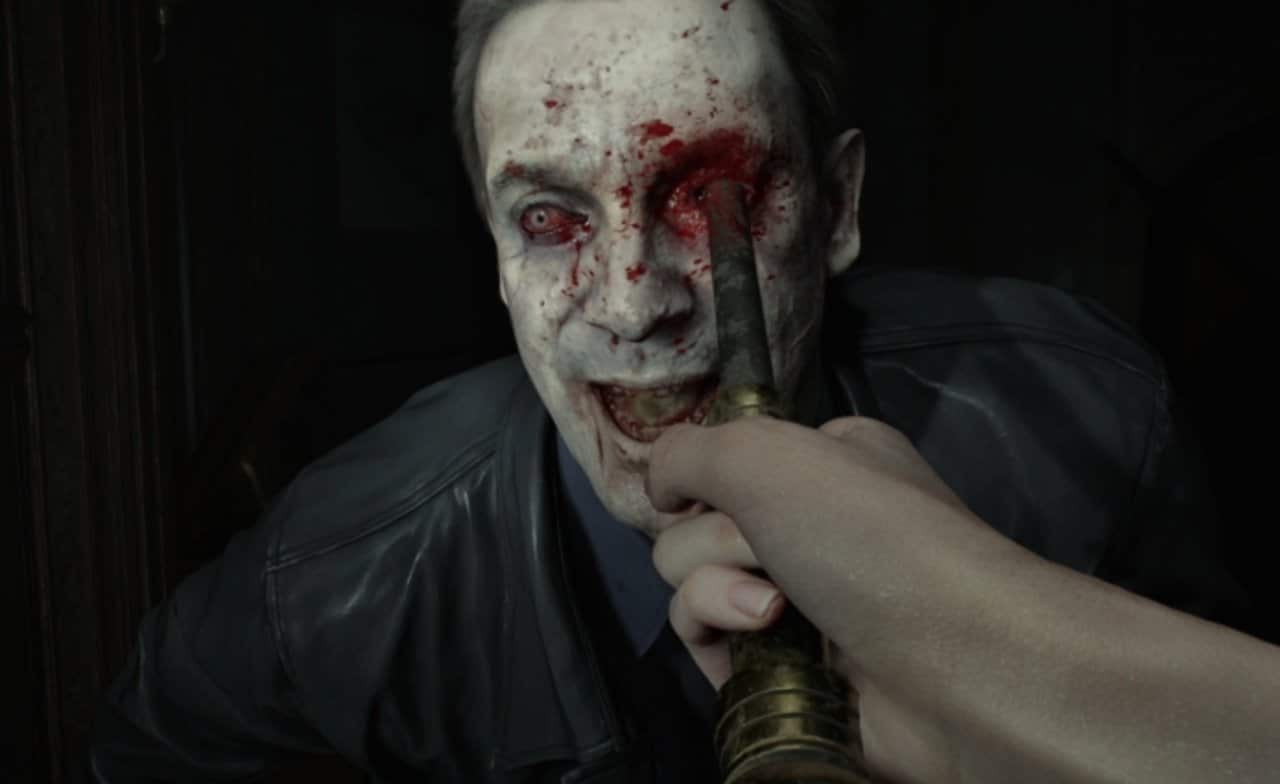
Japanese developer Capcom has established a new strategic roadmap for the Resident Evil franchise, encompassing the simultaneous development of new titles and the recreation of classic works. The company’s internal planning aims to ensure a continuous flow of releases for the current generation of consoles and computers, maintaining the relevance of intellectual property in the digital entertainment sector. The initiative seeks to strengthen the brand’s presence in the global market, serving both veteran players and audiences who have recently entered the series’ universe.
The production schedule involves the allocation of multiple development teams operating in parallel within the company’s studios. Essa division of tasks allows the producer to maintain an annual or biannual release cycle, avoiding long periods of hiatus that could reduce the engagement of the consumer base. The strategy of switching between numbered chapters and updated versions of old games has proven to be a profitable business model in recent years.
The information details that the company’s executive management approved substantial budgets to support this large-scale production line. The main objective is to dominate the survival and horror game segment, establishing a technical and narrative standard that makes direct competition from other studios difficult. Maintaining graphical quality and fluid gameplay remains the central guideline for all ongoing projects.
Commercial strategy and market expansion
The developer’s commercial approach is based on mitigating financial risks by diversifying its portfolio within the same franchise. By investing in the recreation of titles that already have an established fan base, the company guarantees a predictable profit margin, which in turn finances experimentation and the development of innovative mechanics for new chapters. Esse financial feedback cycle stabilizes the company’s shares and attracts new investors interested in the technology and entertainment sector.
In addition to the software itself, market expansion encompasses localizing products for a greater number of languages and optimizing games to run on a wide range of hardware, from high-performance desktop consoles to mid-spec PCs. Technical accessibility expands the potential user base in emerging regions, consolidating the brand in territories outside the traditional axis composed of América of Norte, Europa and Japão.
Development of the next numbered chapters
The ninth main chapter in the series is in an advanced stage of production, with a focus on expanding the boundaries of the franchise’s traditional level design. Development guidelines point to the implementation of broader scenarios and improved artificial intelligence systems for enemies, requiring players to adopt new progression tactics. The responsible team seeks to integrate elements of non-linear exploration without losing the essence of resource management.
At the same time, the tenth numbered title has already begun its pre-production and artistic conceptualization phase. Este project is treated internally as a historic milestone for the company, with the responsibility of ending current narrative arcs and laying the foundations for the next decade of intellectual property. The writers work to unify plots that were left open in previous games.
The transition between the ninth and tenth games will require strict coordination between the directors of each project to ensure the cohesion of the fictional universe. Schedule management provides that digital assets created for one title can be adapted and reused in another, optimizing the working time of 3D artists and programmers.
Company executives stipulated that both games must make the most of current hardware, using advanced global illumination techniques and texture rendering in very high resolution. The goal is to deliver an audiovisual experience that sets industry standards for years to come.
Recreation of classic works from the series
Responding to persistent demand from the gaming community, the company has officially developed updated versions for Resident Evil Code: Veronica and Resident Evil Zero. Estes titles, originally released in the early 2000s, will undergo a complete overhaul, abandoning fixed camera angles in favor of an over-the-shoulder third-person perspective, a pattern established by the producer’s most recent recreations.
The modernization process goes beyond graphical updates, encompassing the rewriting of dialogue, restructuring of puzzles and modifying the rhythm of the narrative to adapt to contemporary game design standards. The sound team also works on re-recording the entire soundtrack and audio effects, using spatial sound technologies to increase immersion in the virtual environments.
The choice of Code: Veronica and Zero fills important gaps in the series’ chronology that had not yet received the recreation treatment. Essa initiative allows new players to understand the complete story of the franchise without the need to resort to obsolete hardware or emulators, unifying the aesthetics of the entire saga under the same visual standard.
Historical celebration and return to origins
Long-term planning includes a project aimed at the franchise’s thirtieth anniversary, focused on a new recreation of the first game in the series. The objective is to rebuild the iconic mansion from the original title using the most modern development tools available on the market, delivering an unprecedented level of photorealism to the classic location.
This specific project is treated with extreme technical rigor, as it aims to pay homage to the work that originated the survival and horror genre. The design team is studying ways to subvert veteran players’ expectations by changing item locations and enemy routines while maintaining the fundamental structure that made the game a global success.
The technological infrastructure of the graphics engine
The developer’s entire release roadmap is supported by the use of its proprietary graphics engine, known as RE Engine. Esta software tool was specifically designed to optimize the creation of highly detailed environments and character models with realistic facial expressions captured through photogrammetry. The engine’s modular architecture allows software engineering teams to implement constant updates, adding support for new rendering technologies such as real-time ray tracing and artificial intelligence-based upscaling algorithms. Standardizing the use of this technology across all of the company’s studios drastically reduces training costs for new employees and facilitates the sharing of texture and animation libraries between different ongoing projects. The efficiency of RE Engine is the determining factor that makes the strategy of multiple simultaneous launches viable without compromising the technical stability of the final products.
Diversification across multiple media platforms
The strategy to strengthen the brand transcends the electronic games market, encompassing the production of computer graphics films, animation series and a vast line of licensed products. The company’s licensing division works closely with film studios and streaming platforms to ensure that audiovisual adaptations respect the original material and attract new audiences to games.
The constant presence of intellectual property in different media formats creates an entertainment ecosystem where the release of a film drives game sales and vice versa. Essa commercial synergy maximizes the return on investment and keeps the franchise’s name highlighted in the media throughout the year.
Definitive positioning in the global industry
The execution of this strategic planning consolidates the developer’s position as one of the most influential entities in the global video game industry. The commitment to regular releases and maintaining high production values ensures that the franchise continues to set design and technology trends in the interactive entertainment market.
