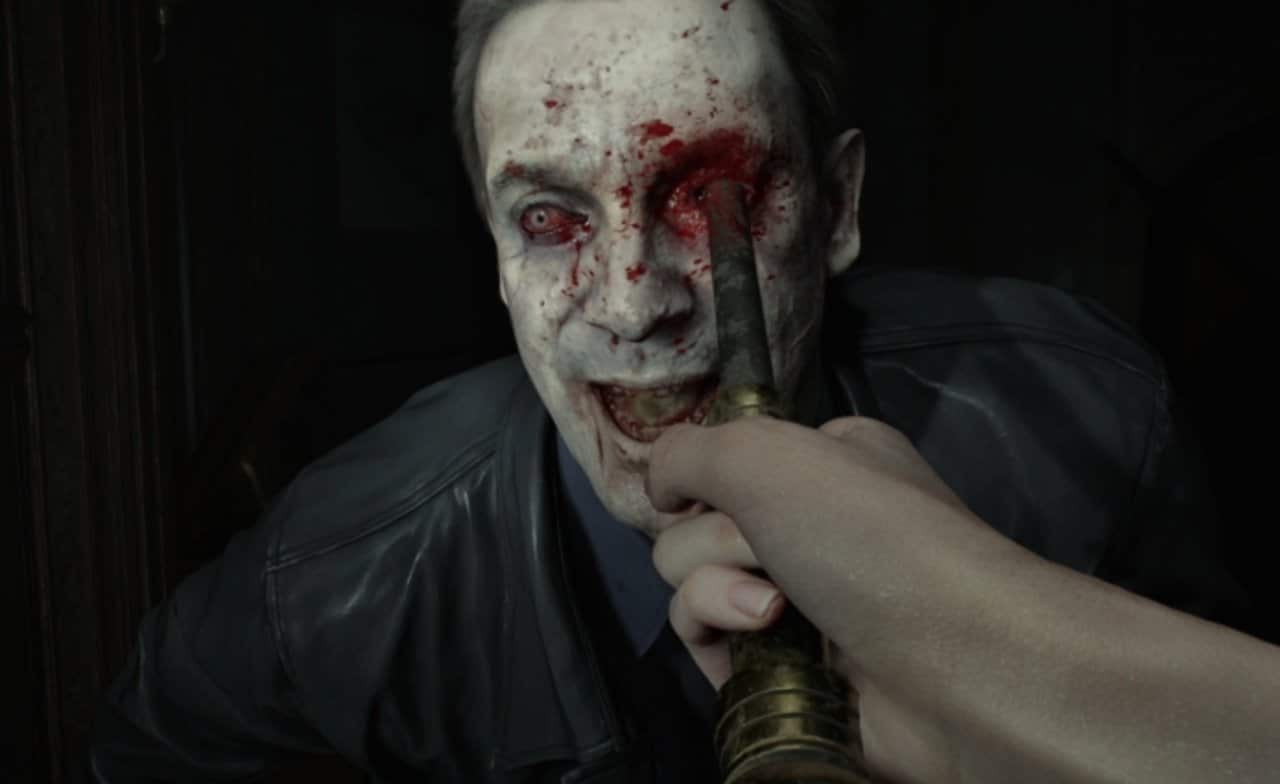
Japanese developer and publisher Capcom has established a new strategic roadmap for the coming years, defining the future of its flagship survival horror franchise. The company’s internal planning reveals a detailed timeline that ranges from the direct continuation of the main series to the recreation of classic titles that defined the genre in the nineties. The information points to a robust development cycle, designed to keep the brand in evidence in the global digital entertainment market.
The schedule established by the producer divides the focus between the innovation of contemporary mechanics and the recovery of the original atmosphere that consolidated the intellectual property. Entre of the projects listed, the ninth numbered chapter of the saga stands out, a complete reimagining of the first game originally released for the PlayStation, and the initial foundations for the tenth main title. The strategy aims to serve both the veteran audience and the new generation of electronic game consumers.
To sustain this cadence of releases, the corporation implemented structural changes in its studios, dividing production teams to allow parallel development of multiple high-budget projects. The use of updated proprietary technology acts as the central pillar of this operation, ensuring that all new software shares a high technical standard, optimizing software engineering resources and time.
Development strategy and team division at the production company
Capcom’s internal restructuring reflects an adaptation to the demands of the modern triple-A games market, where production cycles often exceed the half-decade mark. Para To avoid prolonged gaps between the launches of its most profitable franchise, management chose to segment its talents into simultaneous development units. Essa approach allows that, while one team finishes polishing an unreleased title, another group is already in the advanced stages of pre-production on a parallel project, such as a remake. The company’s proprietary graphics engine, known for its versatility and efficiency, facilitates this process by allowing the sharing of texture libraries, three-dimensional models and artificial intelligence codes between different studios. Technological standardization drastically reduces operational costs and mitigates the risks associated with creating new systems from scratch for each game. Além In addition, the company has invested in expanding its motion capture and photogrammetry facilities, centralizing the creation of high-fidelity digital assets that can be reused and adapted according to the needs of each specific narrative, ensuring visual cohesion across the brand’s entire portfolio.
Next numbered chapter focuses on open-world innovation
The ninth main game in the series represents the publisher’s immediate focus, with indications that the production will introduce open world mechanics to the franchise. The design team seeks to expand the exploration of scenarios, moving away from the strictly linear progression seen in the claustrophobic corridors of previous titles.
The internal goal for this release is to achieve the greatest critical reception possible, with the developers aiming for top scores on review aggregator platforms. The project has the responsibility of tying together recent narrative arcs and establishing a new gameplay standard for the series.
Return to the origins with the recreation of the original classic
In parallel with the advancement of the main chronology, the producer began the total recreation of the first game in the franchise, aligning the project with the brand’s future anniversary celebrations. The original title, responsible for coining the term survival horror, will undergo a complete modernization of its systems.
Unlike the action-oriented approach taken in recent reimaginings, this new project will adopt a deliberately slower pace. The core mechanics will once again focus on resource scarcity, inventory management, and solving complex puzzles within a hostile environment.
Software engineers are applying advanced three-dimensional scanning techniques to reconstruct the iconic mansion from the original game. The goal is to create an oppressive atmosphere through dynamic lighting and photorealistic textures that heighten the psychological tension of exploration.
The enemies’ artificial intelligence will also undergo a profound overhaul, making confrontations more unpredictable. The developers plan to implement adaptive behaviors that will force players to rethink their routes and survival strategies with each new game session.
Long-term planning includes the tenth main title
Looking towards the end of the decade, the corporation has already established the fundamental guidelines for the tenth chapter of the main saga. The project is in the conceptualization phase, with the team defining the narrative pillars and mechanical innovations that will justify the numerical milestone.
Behind-the-scenes information indicates that this title will receive the largest financial contribution ever allocated to a single game within the company. The magnitude of the investment reflects the intention to carry out a significant overhaul of the franchise’s structure, potentially starting a new thematic arc.
Production of the tenth game will require the collaboration of multiple internal studios and external partners to handle the planned scope. The creative direction seeks to integrate emerging hardware technologies to deliver an experience that defines the next generation of consoles and computers.
Technological advances drive immersion in new projects
The company’s graphics engine continues to be the foundation of all ongoing projects, undergoing constant updates to support the demands of the new generation of hardware. Rendering engineers are implementing real-time global illumination systems and more accurate physics simulations, crucial elements for building convincing horror environments. The integration of performance capture technologies allows real actors to transfer subtle facial expressions and detailed body language to digital avatars, raising the level of dramaturgy and realism of interactive scenes.
Audio design also receives special attention, with the adoption of three-dimensional spatial sound techniques to create oppressive soundscapes. Acoustic precision will allow players to pinpoint the exact location of invisible threats solely from ambient noise, transforming audio into an essential mechanical tool for survival. Essa Technological evolution aims to eliminate the barrier between the player and the virtual world, intensifying the emotional response during moments of tension designed by directors.
Digital entertainment market expectations
Financial sector analysts observe the publisher’s roadmap as a strong indicator of corporate stability. The predictability of high-caliber launches, alternating between brand-new properties and nostalgic recreations, ensures a steady revenue stream and strengthens investors’ confidence in the company’s long-term management.
Preserving the identity of the survival horror genre
Maintaining the essence of the genre while modernizing the controls and interface remains the main guideline for the directing teams. The balance between respecting the source material and implementing contemporary usability standards requires rigorous quality control testing.
Commitment to horror roots ensures that the intellectual property does not lose its most loyal consumer base. The producer’s future catalog promises to deliver the same feeling of vulnerability and isolation that defined the brand’s identity in its first years of existence on the market.
