
The adaptation of cars for off-road journeys has seen a significant increase in demand for high-performance components. Motoristas who travel through rural areas and isolated trails seek solutions that guarantee the physical integrity of passengers and the uninterrupted operation of machines.
The development of new automotive hardware allows traditional models to receive updates focused on resistance and autonomy. Esses technological devices act directly to prevent mechanical failures and provide geographic orientation in areas without internet coverage.
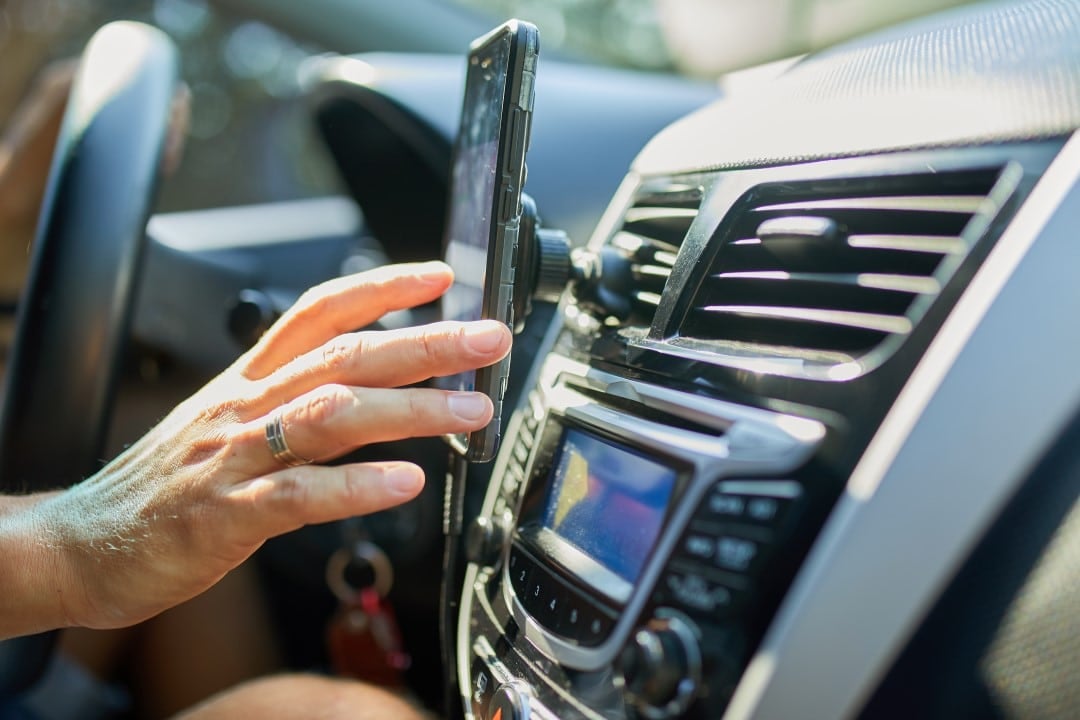
Installing support systems transforms the dynamics of traveling on unpaved routes. The integration of specific equipment reduces drivers’ vulnerability to climate variations and severe natural obstacles.
Context of the vehicle adaptation market
The auto parts and accessories sector aimed at the off-road segment is expanding driven by the modernization of manufacturing processes. Componentes that were previously restricted to military fleets or competition vehicles are now part of the catalog of products accessible to the common consumer. Essa democratization of access to cutting-edge technology changes the profile of land expeditions, requiring specialized workshops to update their installation and maintenance protocols.
International quality standardization forces industries to subject their products to rigorous impact and durability tests. The most popular items in specialty stores include:
* Módulos reinforced suspension for crater absorption.
* Protetores crankcase in carbon steel alloys.
* Snorkels for crossing flooded sections.
The acquisition of these devices represents a direct investment in the car’s ability to survive in hostile scenarios, where the lack of road infrastructure increases the risk of accidents and structural failures. Especialistas in mechanical engineering point out that the correct weight distribution of new accessories and compatibility with the car’s original electrical system are determining factors for the success of customization. Failure to choose certified suppliers may result in short circuits or loss of directional stability during evasive maneuvers on low-grip terrain, such as mudflats and sandbanks.
Advanced geolocation systems
Navigation in inhospitable territories requires GPS receivers capable of processing topographic data in offline mode. Modern displays have liquid crystal screens with anti-reflective treatment, allowing clear reading of routes even under direct sunlight.
These terminals store detailed three-dimensional maps that indicate variations in altitude, water courses and logistical support points. The accuracy of satellite tracking prevents drivers from entering restricted environmental preservation areas or private properties without adequate signage.
Mechanical rescue tools
Immobilizing a utility vehicle in ditches or swampy terrain requires the immediate use of high-traction electric winches. Estes equipment, fixed to the front chassis, has cables made of synthetic material or steel capable of withstanding tons of continuous tension.
Jam release boards are primary resources for regaining traction on slippery surfaces. Posicionadas under the tires, they create an artificial ramp that facilitates exiting the vehicle without the need for external driving force.
Portable double-cylinder air compressors ensure quick tire inflation after crossing rocky sections. The technique of partially deflating tires to increase the contact area with the ground requires immediate repressurization when returning to asphalt roads.
Emergency cold repair kits allow you to seal punctures caused by sharp branches or rocks. The use of hi-lift jacks makes it possible to lift the body to heights of more than one meter, making it possible to change wheels on steep slopes.
Mobile Camping Structures
The logistics of overnight stays in regions without a hotel network are solved by installing rigid roof tents. Essas aerodynamic structures are coupled to the upper racks and have opening mechanisms assisted by gas shock absorbers, allowing the shelter to be assembled in a few minutes. The thermal insulation of the floor and the use of waterproof fabrics protect occupants against sudden drops in temperature and intense precipitation, maintaining a safe distance from venomous animals and soil moisture.
The preservation of food and medicines during long journeys depends on portable refrigerators equipped with low consumption compressors. Diferente compared to conventional thermal boxes, these automotive appliances maintain constant negative temperatures, operating at severe inclination angles without compromising the refrigerant gas. These modules are attached to the trunk using sliding rails, which facilitate access to supplies and prevent cargo from shifting during violent bumps on the road.
Tactical lighting devices
Night driving in dense forests or deserts requires the use of high-intensity LED bars to expand the driver’s visual field. The original factory lighting projects limited beams that do not reveal depressions in the ground or animals crossing the road at safe braking distances. Auxiliary projectors, mounted on the ceiling or front grille, emit a specific color temperature that cuts through fog and suspended dust, providing clarity comparable to daylight. Activating these tactical lights requires the installation of independent relays and fuses to avoid overloading the alternator. Além of long-range headlights, perimeter lights installed on the sides and rear of the car facilitate reversing maneuvers in canyons and illuminate the work area when handling tools or preparing meals at base camp.
Real-time telemetry and diagnostics
Automotive scanners connected to the diagnostic port transmit vital engine data directly to smartphone apps or in-dash displays. Continuous monitoring of transmission temperature, oil pressure and battery voltage allows the driver to identify mechanical anomalies before they result in severe failures far from urban centers.
Satellite communication in remote areas
The absence of cell phone towers in national parks and mountain ranges makes two-way satellite trackers mandatory security items. Esses compact devices send exact coordinates to search and rescue teams at the simple touch of an emergency button.
Radio communicators operating on radio frequencies ensure synchronization between members of a convoy. The exchange of real-time information about road conditions ahead prevents pileups and organizes the crossing of narrow bridges or rivers with strong currents.
Energy management and electrical autonomy
The electrical demand generated by refrigerators, radios and auxiliary headlights requires the implementation of dual battery systems. A clever isolator separates the starting battery from the service battery, ensuring the engine always has enough charge for morning ignition.
Flexible solar panels glued to the hood or roof of the vehicle capture solar radiation during the day to recharge the energy accumulators. Controladores of charge manage the electrical flow, preventing the storage cells from overheating.
Pure sine wave inverters transform the vehicle’s direct current into conventional alternating current. Essa conversion enables the use of sensitive electronic equipment, such as portable computers and mapping equipment, directly in the automobile cabin.
