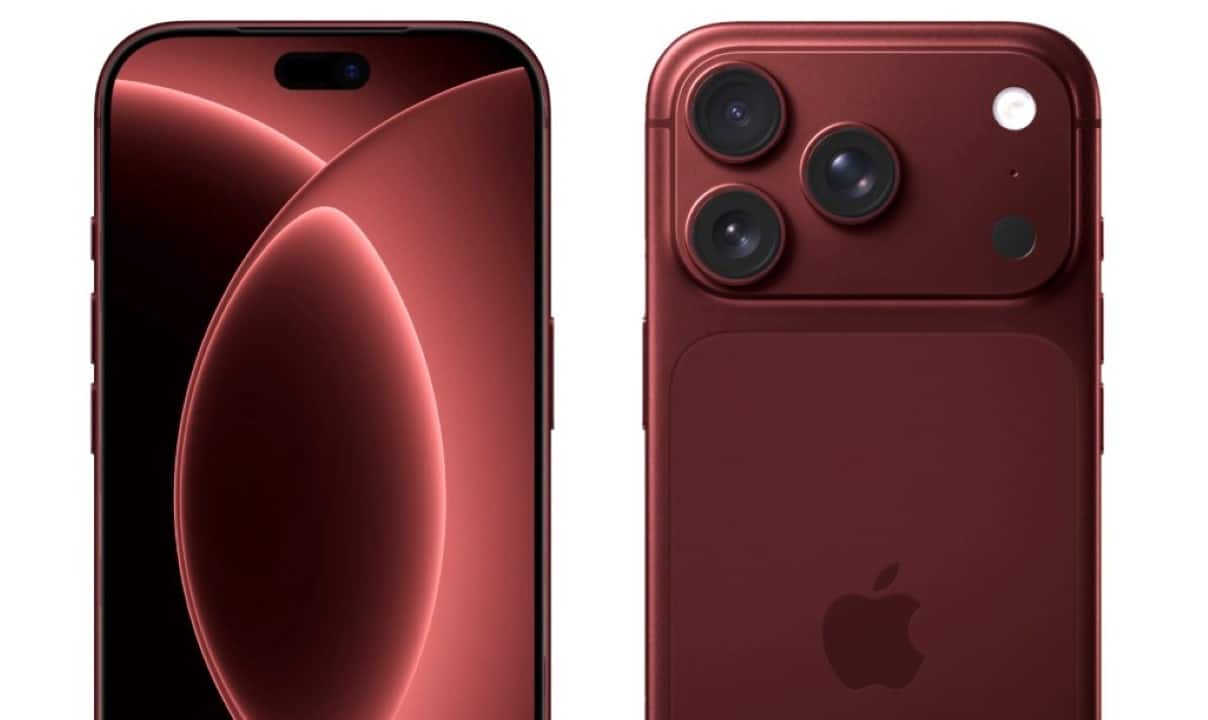
The global mobile device industry is undergoing a significant structural transformation with the introduction of the new generation of high-performance smartphones. The latest project from the Cupertino technology giant redefines the aesthetics and functionality of premium devices, expected to hit shelves worldwide in September.
Hardware engineers have dedicated the last few years to developing a design that exposes the device’s internal components. Essa change required a complete redesign of the motherboard and heat dissipation systems, breaking with the visual standard maintained in the last generations of the brand’s products.
The new device presents technical characteristics that establish a new level of competition in the telecommunications market:
– Estrutura fully transparent back based on new chemical compounds.
– Bateria high density with expanded volumetric capacity.
– Integração of aerospace materials in the composition of the main chassis.
The visual and engineering changes meet a growing demand for tangible innovations in the sector. The strategy aims to consolidate the company’s position in the ultra-luxury segment, offering an experience that combines advanced industrial design with processing capacity optimized for artificial intelligence.
Materials engineering and chassis redesign
To ensure the durability of the transparent back plate, the manufacturer chose a reinforced glass alloy. The material has undergone specific chemical treatments in advanced laboratories, a complex industrial process that prevents yellowing over time and ensures excellent resistance to accidental drops.
The structure of the device uses aerospace-grade titanium, providing unparalleled lightness and structural rigidity in its category. The integration between the treated metal and the new glass required the development of unprecedented industrial adhesives, capable of joining different surfaces with maximum fixation.
These new sealing components protect the device against water and dust, meeting strict resistance certifications. The level of protection was achieved without compromising the transparency that reveals the internal engineering of the equipment, maintaining the visual integrity of the device even after months of continuous use.
Energy capacity and advanced thermal management
The autonomy of use represents one of the biggest technical leaps of this generation, driven by an energy cell that reaches the 5200 mAh mark. The significant increase in volumetric capacity results from a new internal battery composition architecture, which optimizes every cubic millimeter of the chassis without increasing the overall thickness of the smartphone.
With internal components exposed, temperature control became the industrial design team’s main challenge. The solution found involves the application of high-density graphene plates and a completely redesigned vapor chamber system, which moves heat away from the main processor quickly and silently during demanding tasks.
Front panel evolution and edge reduction
The dimensions of the screens have undergone millimeter adjustments, now offering 6.3 inches in the standard high-performance model and 6.9 inches in the larger aspect ratio variant. Display engineering has improved the bezels around the OLED panel, maximizing the usable viewing area and delivering an immersive media consumption experience.
A fundamental change to the front interface involves relocating the facial recognition and brightness sensors below the active screen. The technical modification reduced the area occupied by the top notch by 35%, freeing up space for status icons and operating system notifications without obstructing use.
The development of the under-display biometric sensor required extensive research to ensure that the accuracy and level of security remained identical to previous generations. Infrared light now penetrates the pixel array without distortion, validating the user’s identity instantly, regardless of external lighting conditions.
The adaptive refresh rate is still present, intelligently varying depending on the content displayed to save battery power. Color calibration and maximum brightness outdoors have also seen substantial increases, making it easier to read text and view images in bright, direct sunlight.
Artificial intelligence and memory processing
The smartphone’s operating core is powered by a processor manufactured using the 2 nanometer process, a historic milestone in the miniaturization of transistors that delivers unprecedented energy efficiency in the industry. The chip was designed with a primary focus on running artificial intelligence algorithms directly on the device, reducing dependence on cloud servers for complex natural language processing, simultaneous translation and image generation tasks. Acompanhando the new processor, the RAM memory was expanded to 12 GB, an essential technical specification to keep linguistic models running in the background without choking, ensuring fluidity when switching between dozens of simultaneous applications.
The system architecture divides tasks between ultra-high-performance cores and energy-efficient cores, intelligently balancing the consumption of the 5200 mAh battery. Desenvolvedores of software will have access to new programming interfaces that exploit the updated neural engine, enabling the creation of applications that learn users’ habits in real time and anticipate routine actions. The security of data processed locally is guaranteed by a secure enclave, physically isolated from the rest of the operating system, which protects sensitive information, biometric data and passwords against external invasion attempts or sophisticated malware.
Optical system with variable aperture and coating
The rear photographic assembly incorporates a variable aperture mechanism in the main lens, a technology inherited from dedicated professional cameras that allows the sensor to physically adjust the amount of light captured according to the user’s environment. Mechanical innovation dramatically improves depth of field in natural portraits, creates authentic background blur and sharpens nighttime photographs by eliminating visual noise in very low light conditions. Adicionalmente, all lenses in the module have received a new laboratory-developed optical coating specifically designed to reduce unwanted reflections from direct light sources, such as street lamps or car headlights, and the formation of ghosting in images during nighttime recording. The optical zoom system has also undergone a major overhaul, adopting an improved refraction prism that stabilizes the image more efficiently during motion shooting or long-distance shooting. The deep integration between the camera hardware and the new image signal processor allows the application of artificial intelligence filters at the exact moment of the click, correcting color distortions, improving skin textures with millimeter precision and adjusting the white balance even before the file is saved in the device’s internal memory.
Satellite communication and digital transition
The device’s connectivity infrastructure has been expanded to support much more robust satellite communication, which goes beyond simply sending emergency messages in isolated locations. The new integrated radio frequency technology allows you to make short voice calls and send compressed multimedia files in remote regions where traditional cellular network coverage is completely non-existent.
In the global market, the manufacturer made the definitive decision to remove the physical chip tray, consolidating the total transition to virtual chip technology. The strategic removal frees up valuable internal space for expansion of the battery and cooling components, as well as eliminating a physical point vulnerable to liquid and dust ingress into the device’s chassis.
Production schedule and retail positioning
The Asian supply chain has begun calibrating its assembly lines to begin mass production of components in the second quarter, aiming to ensure sufficient stocks for a simultaneous launch in multiple countries. In-store price positioning will reflect the high research and development costs of the new transparent materials and 2-nanometer processor, anchoring the device at the high end of the global technology market.
