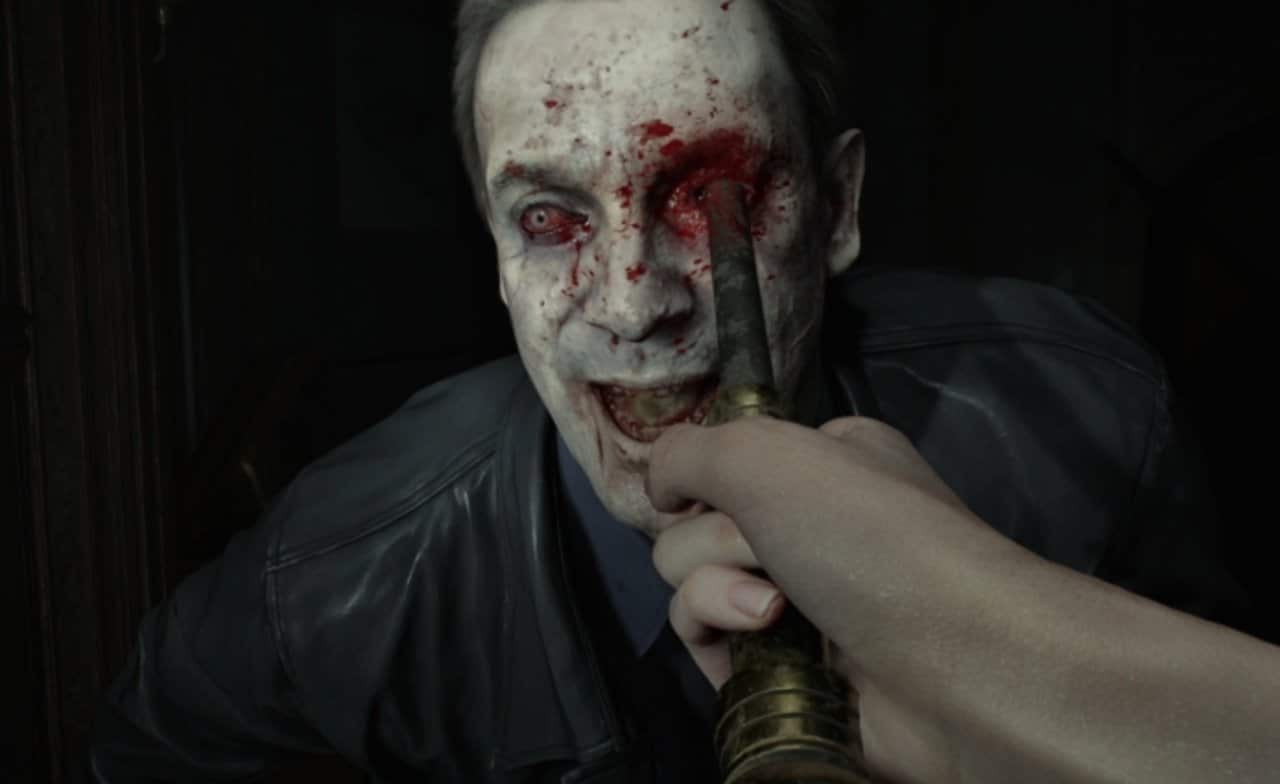
The Japanese video game producer has structured a long-term plan for its main survival and horror franchise. Internal Documentos and market movements indicate the continued development of new major titles, in addition to the recreation of classic games for current generation consoles. The strategy aims to maintain the brand’s relevance in the digital entertainment sector uninterruptedly over the next few years.
The planning establishes a launch calendar that covers the period until the end of the current decade. The company seeks to avoid long periods without news for consumers, ensuring a constant presence on physical shelves and in virtual application stores. The commercial tactic involves the allocation of hundreds of specialized professionals, distributed across different software creation and programming studios.
Production teams work simultaneously on multiple projects related to the same fictional universe. The division of tasks allows one group to complete the polishing stages of a work while another begins the pre-production phase of the next release. The working method optimizes the corporation’s financial resources and reduces the total development time of each interactive product.
Market strategy and distribution schedule
The company’s management has determined that the franchise receives constant updates to sustain annual revenue growth. Maintaining intellectual property requires a balanced distribution of investments between the creation of new narratives and the modernization of products already widely known by the technology-consuming public.
Executives approved the expansion of software engineering and level design teams at their main headquarters. The hiring of new talent occurs in parallel with the restructuring of quality control departments, ensuring that the technical standards required by the global market are strictly met before any official announcement.
The business model adopted involves the sale of standardized editions and special versions aimed at collectors. The diversification of purchasing options caters to different user profiles, from casual players to enthusiasts looking for exclusive physical items and additional digital content to expand the experience.
The global distribution of products relies on strategic partnerships established with hardware manufacturers and large retail chains. Logistical alignment ensures that physical copies arrive at distribution centers on scheduled dates, minimizing the risks of early information leaks and protecting the producer’s industrial secrets.
Innovations planned for the ninth numbered title
The next chapter in the main series will introduce significant changes to the way users interact with the virtual environment. The developers implemented an improved artificial intelligence system for opponents, requiring more elaborate combat tactics, stealth, and strict management of scarce resources during progression.
The scenario architecture will abandon strict linearity in favor of interconnected areas with multiple routes of exploration and problem solving. The change in spatial design aims to increase the feeling of isolation and vulnerability, fundamental characteristics of the survival genre established by the brand since its origins in the Asian market.
Long-term planning for the tenth game
The tenth edition of the main line is initially scheduled to hit the market in 2029. Preliminary work on artistic conception and scripting has already begun at the company’s headquarters, defining the general tone, ambiance and aesthetic direction of the future interactive entertainment work.
The project carries the responsibility of marking a generational transition within the franchise’s ongoing narrative. The writers prepare the closure of veteran character arcs and the definitive introduction of new protagonists, ensuring the renewal of the fictional universe for the next generations of video game consumers.
The technology used in this production will use the most recent iteration of the Japanese company’s proprietary graphics engine. The software tool undergoes constant updates to support ultra-high-resolution textures, real-time lighting effects, and complex physics simulations that increase visual immersion.
Modernization of classic works from the catalog
The recreation of titles released in the early 2000s represents a fundamental part of the producer’s financial planning. Projetos how new versions of games focused on the origins of the antagonist corporation and the journey of isolated characters on remote islands receive visual and mechanical treatment consistent with current industry standards. The programmers rewrite the original codes from scratch, replacing the fixed camera angles with a third-person, over-the-shoulder perspective, which drastically changes the dynamics of armed confrontations and the detailed exploration of closed, dark environments.
The modernization process respects the oppressive atmosphere of the original works while updating the controls to more responsive and intuitive schemes. The audio team re-records all lines with new professional actors and composes orchestrated soundtracks that dynamically react to the player’s on-screen actions. Fidelity to the source material is maintained in the puzzles and the arrangement of essential items, but the developers add new areas and expand the narrative context through textual documents spread across the virtual scenarios, enriching the series’ mythology.
Expansion of intellectual property to other media
The strategy to strengthen the brand goes beyond the limits of video game consoles and personal computers, encompassing the production of audiovisual works for streaming platforms and cinema networks on a global scale. The company’s licensing division manages contracts with animation studios and live-action film producers to ensure that adaptations respect the official chronology and visual identity established in electronic games. The launch of computer graphics animated series occurs in sync with the arrival of new titles on the market, creating an entertainment ecosystem where one medium directly drives the consumption of the other. The sale of licensed products, such as apparel, action figures and printed publications, complements revenue generation and keeps intellectual property in the spotlight in pop culture even during periods of hiatus between major virtual releases. The synergy between the different departments ensures unified communication and the preservation of the franchise’s commercial value in the long term, transforming the brand into a highly profitable multimedia asset.
Proprietary graphics engine efficiency
Using an in-house developed rendering technology gives the company a significant competitive advantage in the technology sector. The graphics engine allows the creation of photorealistic facial features and detailed environments at a high frame rate per second, facilitating the process of adapting games to different hardware architectures available on the current market.
Maintaining quality and public reception
The rigorous internal evaluation process subjects each project to extensive testing sessions before final approval for digital manufacturing and distribution. Grupos focal points made up of players of different skill levels provide behavioral data that helps designers calibrate difficulty and eliminate programming flaws that could detract from the experience.
The commercial response to recent launches validates the direction taken by the development executive. The sales volume of recreations and unreleased titles demonstrates the feasibility of maintaining two parallel production fronts, consolidating the producer’s position as one of the main forces in the global digital entertainment industry today.
