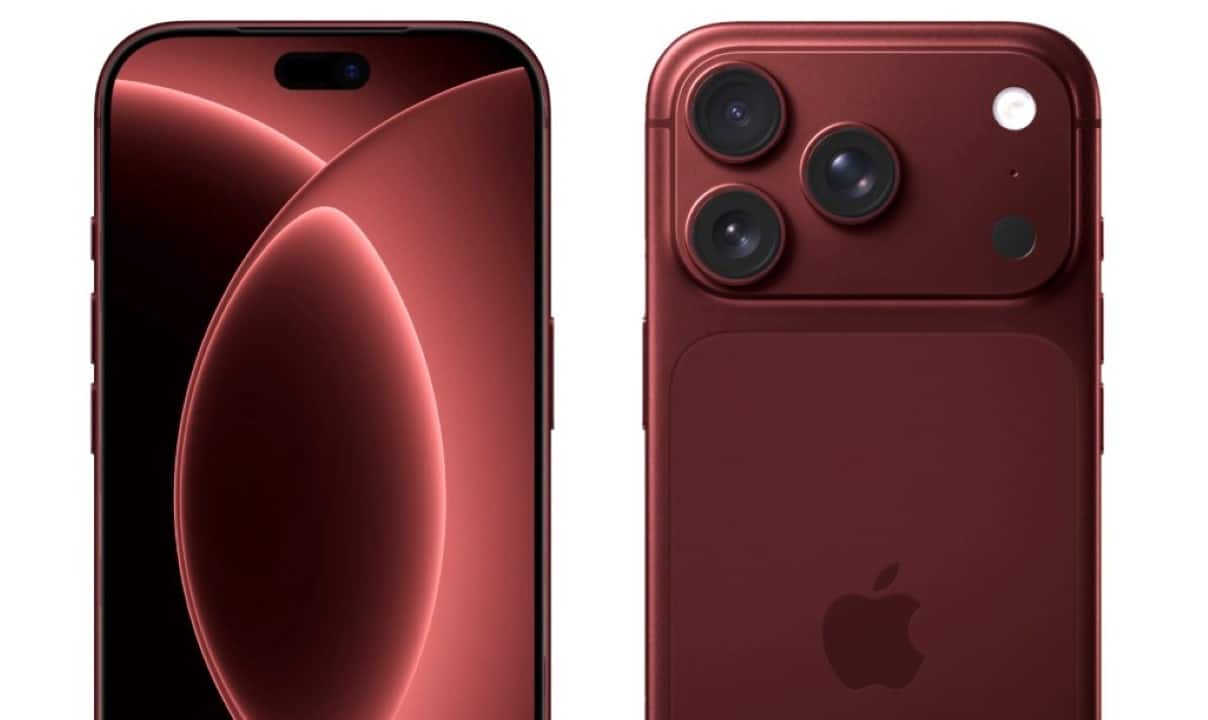
The global mobile device industry is seeing a structural change in hardware design with the development of a new generation of high-performance smartphones. The manufacturer defined a different aesthetic for its next devices, replacing the traditional opaque metal finishes with a semi-transparent glass rear panel.
The visual change allows direct observation of the equipment’s internal components, requiring a complete reorganization of the product architecture. The decision ends a cycle of more than a decade of closed designs, establishing a new assembly standard for the mobile technology sector.
The project integrates this transparency into a high-density power module, meeting historical demands for greater autonomy. The new device’s battery surpasses the 5000mAh mark, which forces engineers to treat previously hidden parts as visual presentation elements.
Visual engineering and adaptation of internal components
Development teams finalize the layout of motherboards, power connectors and thermal management systems to adapt to the new format. The display of these pieces requires a meticulous finish using materials that did not receive aesthetic treatment in previous generations.
The implementation of the translucent panel generates movements in the Asian supply chain, with metal alloy and glass suppliers modifying their assembly lines. The factories’ objective is to ensure that the material offers structural resistance combined with impeccable visual clarity, avoiding optical distortions that impair the visualization of the microchips. The industrial process involves multiple stages of glass purification to achieve the degree of transparency required by the manufacturer’s standards, as well as stress tests to certify user safety.
To ensure the durability of the equipment in daily use, the reinforced glass receives a specific chemical treatment that prevents yellowing caused by continuous exposure to ultraviolet rays. The procedure also increases resistance against scratches and accidental falls, maintaining the integrity of the internal aesthetics even after long periods of use. Testes mechanical tests are carried out in laboratories to ensure that the translucent structure withstands the same physical pressures as models with an aluminum or titanium back, guaranteeing absolute protection of the circuits exposed under the housing.
Cooling system restructuring
Hardware visibility forced the redesign of the smartphone’s heat dissipation mechanism. Traditional thermal pastes and copper shields have been replaced with premium finished graphene plates and a custom vapor chamber, making cooling a central design element.
The new thermal architecture increases efficiency in dissipating heat generated by the processor, allowing the chip to maintain high clock speeds for longer. Durante the use of heavy applications, the temperature is evenly distributed throughout the chassis, preventing hot spots and protecting the integrity of the high-capacity battery.
Screen optimization and front bezel reduction
The front of the device presents advances in the screen proportion in relation to the body of the device. The standard model has a 6.3-inch display, while the enlarged version offers 6.9 inches, maximizing the usable area for media consumption and productivity.
The edges around the panel have been reduced by repositioning the control drivers and using new manufacturing techniques for the organic light-emitting diodes. The side metal structure now integrates more fluidly with the front glass.
The facial biometric authentication system has been integrated directly under the screen, reducing the physical space occupied by the front camera module by around 35%. The upper dark area becomes more discreet, freeing up space for notifications and operating system status icons.
Software developers receive technical guidelines for adapting applications to the new display proportions. The expansion of the viewing area allows the creation of immersive interfaces, directly benefiting video streaming platforms and the electronic games sector.
Energy capacity and global connectivity
Energy storage capacity reaches unprecedented levels in the product line, ranging between 5000mAh and 5200mAh depending on the specific configuration. The physical increase in the component was made possible by miniaturizing the main logic board and removing legacy hardware, freeing up internal volume. Power management uses artificial intelligence algorithms that map usage patterns, disabling background processes during periods of inactivity to extend autonomy on high-speed mobile networks.
In the connectivity sector, the manufacturer eliminates the physical tray for operator cards in all markets, adopting an architecture based exclusively on virtual chips. The measure improves sealing against water and dust, in addition to making room for the expansion of satellite communication capabilities. The updated hardware supports emergency messaging, short voice calls and sending data packets in remote areas, using resized internal antennas that are slightly visible through the rear glass.
Advanced processing and intelligence architecture
The core of the smartphone is powered by a processor manufactured using two-nanometer lithography, designed to run complex artificial intelligence algorithms directly on the device, without dependence on cloud servers. Para support the massive flow of data, the random access memory has been expanded to 12 gigabytes, ensuring instant loading of graphics resources and fluid application switching. The on-chip neural engine performs dynamic division of tasks, directing simple operations to energy-efficient cores and reserving maximum power for video rendering and computational photography. Strict electrical consumption control ensures that the high-capacity battery delivers the specified screen time even under continuous local processing stress, maintaining operating system stability in extreme usage scenarios.
Innovations in the main photographic set
The camera system introduces a variable aperture mechanism in the main lens, allowing physical adjustment of light input to the image sensor. The feature provides control over depth of field and improves photo capture in low-light environments, bringing the quality of mobile photography closer to the standards of dedicated professional equipment.
Commercial strategy and manufacturing schedule
The supply chain operates at an accelerated pace to meet projected global demand for the launch period. The mass production of transparent glass panels and battery modules occurs in a staggered manner, aiming to guarantee stocks for simultaneous distribution on several continents.
Price positioning reflects the research and development costs associated with new materials and advanced lithography. The device occupies the ultra-premium segment of the market, aimed at consumers looking for maximum performance combined with an exclusive hardware design.
Sustainability and composition materials
The assembly of the device incorporates strict sustainability guidelines in the selection of raw materials. The metals used in the internal structure and heat sinks come from recycled sources, reducing the extraction of primary ores and reducing the carbon footprint of the production line.
Semi-transparent glass goes through a manufacturing process that uses clean energy in its main facilities. The factories implemented water reuse and industrial gas filtration systems to adapt production to international environmental standards.
The product packaging also undergoes changes, eliminating single-use plastics and adopting biodegradable natural fibers. The reduction in box volume optimizes global transport logistics, allowing the shipment of a greater number of units per cargo flight and reducing distribution operational costs.
