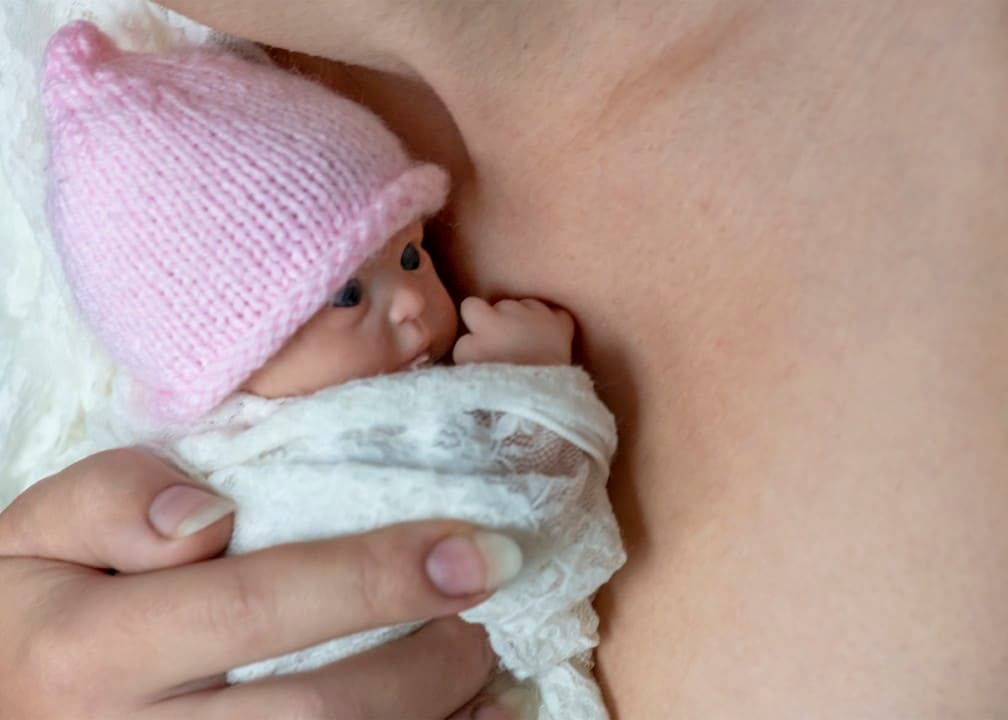
The demand for dolls that imitate the physical characteristics of newborns with extreme fidelity has seen significant growth in several regions of the country. The pieces, produced by hand, attract a diverse audience that ranges from traditional collectors to healthcare professionals looking for tools for medical simulation. The sector operates its own economic chain, encompassing the making of figures and the sale of complementary items.
The manufacturing process requires the work of specialized artists, who dedicate weeks of continuous work to achieve the level of detail required by buyers. The technique involves the application of multiple layers of dye to simulate the texture of human skin, the creation of visible veins and the hair implant carried out strand by strand. The end result features weight and joints designed to replicate the anatomy and body behavior of a real baby.

These items are sold predominantly through digital platforms, specialized physical ateliers and themed fairs organized in large urban centers. The catalog of available products ranges from basic models, aimed at beginners in the hobby, to custom-ordered luxury versions, creating a segmented market that meets different ranges of purchasing power and levels of technical requirement.
Imported materials and painting techniques define commercial value
The final cost of hyper-realistic pieces is directly linked to the quality of the raw material used and the complexity of the artisanal production method. The entry-level models, made from regular vinyl, start at R$200, offering a less refined texture, but sufficient to meet the demand of new enthusiasts. Conforme the transition to superior materials such as premium vinyl occurs, market prices rise to the range of R$800 to R$1,500, providing a tactile sensation that is significantly closer to human skin and greater flexibility in the joints.
At the top of the consumer chain are figures entirely molded in high-density solid silicone, which represent the pinnacle of realism and durability in the sector. Estas exclusive versions, often signed by internationally renowned artists, reach the R$30,000 mark on the specialized market. The high added value is justified by the use of non-toxic paints fixed in specific ovens, the use of imported natural hair and the insertion of handcrafted glass eyes, elements that provide a visual and tactile finish with anatomical precision.
Personalization of physical traits attracts audiences looking for exclusivity
The possibility of ordering figures with specific physical characteristics represents one of the most profitable and sought-after segments of this market. Clients often request exact reproductions of family members’ features, demanding that eye color, face shape, and even particular birthmarks be copied.
This level of customization demands advanced technical skills from artisans, who need to adapt the original factory molds to meet buyers’ exact specifications. Made-to-order pieces start at R$1,500, with progressive increases depending on the amount of detail and complexity of execution required by the project.
In addition to reproducing family features, limited editions accompanied by certificates of authenticity are widely sought after by high-end collectors. Estas numbered figures guarantee the exclusivity of the item and show a trend of financial appreciation over time within the community of experts.
The production schedule for a personalized piece extends over several weeks or months, depending on the volume of orders from the responsible studio. Technical communication between the artist and client during the modeling and painting phases ensures that the final product strictly corresponds to the initial approved planning.
Accessories trade boosts the economy of small local entrepreneurs
The commercial ecosystem generated around the hyper-realistic figures drives the creation of secondary businesses, directly benefiting independent seamstresses and artisans. The manufacture of tailored clothing, themed sets and embroidered blankets establishes an alternative and constant source of income for self-employed professionals in several Brazilian states.
The complete layettes, which include pacifiers with a magnetic system, decorative diapers and adapted transport strollers, have prices ranging from R$200 to R$1,500 at retail. X__NM0____
Thematic fairs bring together thousands of collectors in large capitals
Specialized events, held in capitals such as São Paulo, Rio, Janeiro and Belo Horizonte, serve as the main meeting and negotiation hubs for the collectors community. Estas fairs provide infrastructure for the exhibition of new models, the holding of technical painting workshops and the direct sale of imported inputs to artists.
During the exhibitions, the organizers promote practical demonstration activities, such as simulations of care routines, which increase the engagement of the public present. The physical structure of the events allows potential buyers to inspect the quality of materials and the finish of the pieces before making investments of high financial value.
Digital platforms accelerate visibility and drive sales volume
Social networks play a structural role in popularizing the hobby and in the consequent increase in revenue for specialized ateliers. Perfis dedicated to showing figure maintenance routines accumulate millions of daily views, capturing the attention of a new demographic profile of consumers interested in hyper-realism.
Videos focused on opening packages and detailed demonstrations of layettes operate as the main digital marketing tool for artisans. The high-definition display of the skin texture and the flexibility of the materials acts as a decisive factor in convincing buyers who live far from large urban centers.
Communication groups in messaging applications optimize the exchange of technical information about conservation and facilitate the sale of second-hand parts. The virtual environment eliminates geographical barriers, allowing producers from inland cities to sell their works to customers throughout the national territory and abroad.
Health institutions adopt realistic models for practical training of professionals
The use of hyper-realistic figures goes beyond the boundaries of collecting and establishes a functional and technical presence in the public and private education and health sectors. Faculdades of medicine and nursing schools located in the country’s main academic centers acquire specific models made of solid silicone, which are equipped with internal sensors capable of simulating basic physiological responses during practical laboratory classes. Estas simulation tools allow undergraduate and specialization students to train complex neonatal care procedures, such as intubation techniques, vital sign monitoring, cardiopulmonary resuscitation and handling of premature newborns, within a controlled and safe environment. The demand for this educational equipment maintains a continuous growth curve, also driven by large hospitals that integrate the pieces into their periodic training programs for intensive care unit teams. Paralelamente to clinical use, the therapeutic application of figures is expanding in community centers for the elderly population, where tactile and visual interaction with the models demonstrates effectiveness in stimulating cognitive functions and in the emotional stabilization of patients, highlighting the plurality of use of the product in society.
Maintenance routine requires specific products to preserve the integrity of parts
Conservation of the material requires the application of rigorous cleaning protocols to prevent structural degradation and fading of the handmade paint. The cleaning of vinyl models is carried out strictly with moistened fabrics and neutral soap, while the silicone variants require the use of highly soft sponges, combined with mandatory storage in padded compartments isolated from direct sunlight to ensure the protection of the financial investment.
