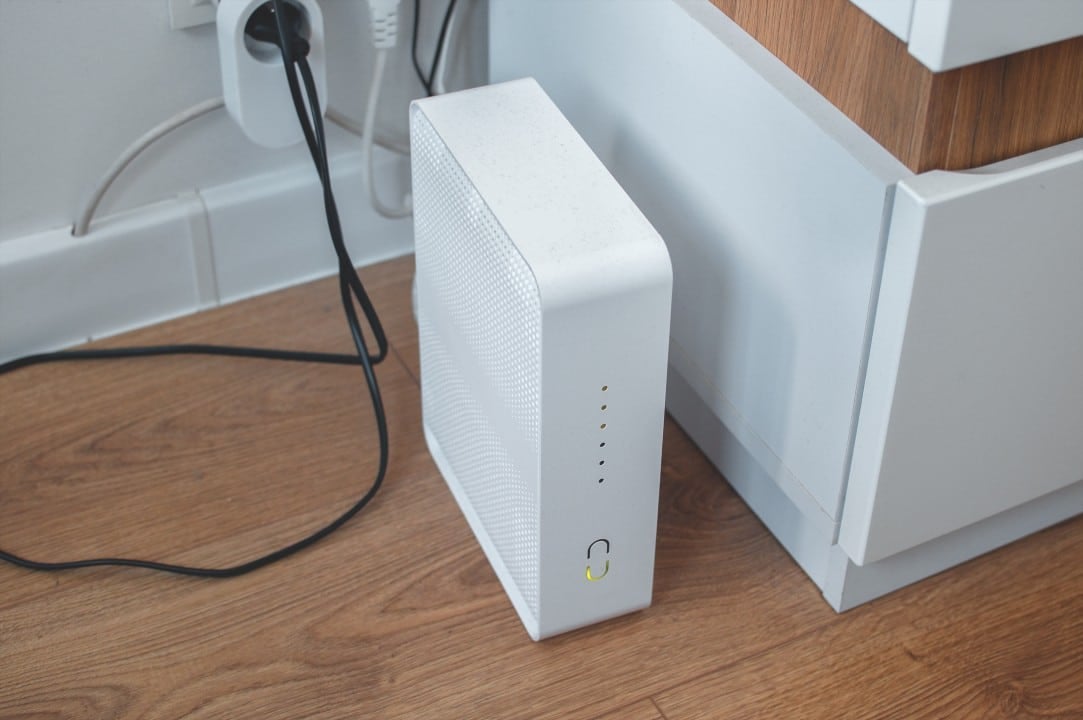
The constant evolution of home internet networks often comes up against a physical bottleneck ignored by most users. A recent analysis released by electronics manufacturer ELECOM revealed that the equipment responsible for distributing the wireless signal has a strict technical validity. The company has established that the maximum time for safe and efficient operation of these devices reaches a limit of six years.
The survey sought to map consumer behavior in relation to the maintenance of their residential network infrastructure. The data collected points to a widespread negligence regarding hardware updates, which directly compromises the quality of daily navigation. Especialistas in technology reinforce that the fact that old devices remain plugged in generates invisible limitations in data transmission, affecting everything from simple tasks to the consumption of high definition media.
The survey used digital platforms to question customers about the usage time of their current transmitters. The results demonstrated that a significant portion of the population keeps devices working well beyond the period recommended by engineering teams. Essa practice exposes networks to connection failures, chronic instabilities and cyber protection gaps that could be easily avoided by renewing the home technology park.
Results of the survey on user behavior
During data collection, the company identified that approximately thirty percent of survey participants have been using the same signal transmitter for more than half a decade. Embora more than half of the respondents stated that their devices are within the estimated useful life window, the number of people with outdated devices raises a warning for the telecommunications sector. Prolonged maintenance occurs, most of the time, because the devices continue to have their lights on and transmit some level of signal, masking the internal degradation of the circuits and the real loss of processing capacity.
The investigation showed considerable variation in the way different consumer profiles deal with the technological infrastructure of their homes. Muitos users choose to keep the equipment in continuous operation even after the full warranty period offered by the manufacturer has ended. Essa decisão de postergar a compra de um modelo mais recente acontece até mesmo quando o sistema começa a apresentar instabilidades sutis, como quedas momentâneas de conexão, lentidão no carregamento de páginas pesadas ou dificuldade em manter videochamadas estáveis durante o horário comercial.
Technical factors that determine hardware obsolescence
The degradation of a wireless internet transmitter does not occur abruptly, but rather through a process of continuous and silent wear on the internal electronic components. The ELECOM engineering team detailed that the physical durability of the parts that make up the device’s motherboard varies, on average, between four and five years of uninterrupted operation. Esses devices function as high-precision instruments that deal with temperature variations, electrical power spikes and the constant stress of processing data packets from multiple devices simultaneously. As the months go by, capacitors, internal antennas and radio chips lose their ability to operate at their maximum power, resulting in a gradual decrease in signal range and difficulty in crossing physical barriers such as masonry walls and solid wood doors. Mesmo although the external plastic casing appears intact and the operating indicator lights operate perfectly, the equipment’s internal motor is no longer able to deliver the same performance as the day it was removed from the box. Esse hardware decline is an inherent characteristic of current technology and affects all product lines available in the global consumer electronics market.
Impact of the evolution of wireless communication protocols
In addition to the physical wear and tear of parts, the rapid transformation of technology industry standards imposes a forced renewal cycle that varies between two and six years. The transition from old technologies to new wireless connection protocols requires hardware with more robust processors and resized antennas. Aparelhos manufactured more than five years ago simply do not have the architecture necessary to understand and transmit data at the cleanest and fastest frequencies available under current regulations.
The popularization of smart devices within modern homes also puts a strain on transmitters from past generations. Televisores with very high resolution, connected lamps, virtual assistants, monitoring cameras and video game consoles demand bandwidth that old equipment cannot manage efficiently. The result of this overload is constant network crashes, requiring the user to restart the device frequently to clear the temporary memory and restore stability.
Broadband internet providers annually increase the speeds offered in residential packages, delivering extremely fast fiber optic connections directly to homes. However, if the signal reaches the operator’s modem at high speed and is distributed by an outdated private transmitter, the consumer will not be able to fully enjoy the contracted service. Old equipment acts as a physical bottleneck, limiting transfer rate and compromising the browsing experience in every room of the home.
Risks associated with lack of protection updates
The issue of data protection represents the most critical pillar in recommending periodic replacement of network equipment. The manufacturer highlighted that vulnerabilities in the devices’ operating system reduce the ideal security window to a period of two to five years. Após this period, most technology companies end official support and stop sending patch packages against new cyber threats discovered by the security community.
Digital criminals are constantly developing new methods to break into home networks and intercept sensitive information such as banking credentials and personal identification data. Transmissores that operate on old encryption protocols become easy targets for automated attacks that scan the internet for outdated routers. The absence of firmware updates turns the device into an unprotected gateway to the entire home’s digital infrastructure.
Replacing equipment ensures access to the latest and most robust encryption standards established by the information security industry. Modelos Modern devices come from the factory with advanced protection barriers that block intrusion attempts before they even reach computers and smartphones connected to the local network. Essa extra layer of defense is critical in a scenario where remote work and digital financial transactions have become the norm for most families.
Ignoring the validity period of the device’s software means taking an operational risk with the privacy of the home environment. The sector’s technical guidance is clear in stating that the savings generated by not replacing hardware do not compensate for the potential financial and emotional losses caused by a data leak or the hijacking of information through malicious software that exploits known flaws in old routers.
Practical signs of equipment exhaustion
To help consumers identify the exact moment of replacement, network infrastructure experts highlight some atypical behaviors that indicate the end of the device’s useful life. Close observation of daily performance allows you to anticipate serious failures and avoid connection blackouts at critical moments of use. The main signs that the transmitter needs to be retired include the following points:
– Necessidade to restart the device several times during the same week to restore internet speed.
– Dificuldade of the equipment in keeping multiple cell phones and computers connected simultaneously without experiencing severe slowdowns.
– Excessive Aquecimento of the plastic casing, indicating that the internal components are working under constant thermal stress to process data.
– Perda significant signal range in rooms where the connection used to be strong and stable in previous years of use.
Guidelines for Choosing a New Device
The decision to upgrade home network infrastructure must be accompanied by technical research to ensure that the new investment supports the connectivity demands of the coming years. ELECOM advises customers to prioritize models that offer native support for the latest generations of wireless communication and that have processors capable of handling dozens of devices simultaneously. Essa careful choice guarantees longer equipment life and full compatibility with smartphones and computers that will hit the market in the future.
Periodically checking the status of the network and consciously replacing transmitters represent fundamental steps towards maintaining a fluid and safe digital life at home. The manufacturer reiterates its commitment to monitoring the behavior of products in the field and providing precise technical guidance so that users can extract the maximum potential from their home internet connections, mitigating risks and ensuring delivery of the speed contracted with operators.
