
The expectation surrounding the next generation of hardware from the Japanese video game giant moves behind the scenes in technology and digital entertainment. Desde the launch of the original hybrid model in 2017, the consumer market and sector analysts monitor production cycles in search of clues about the successor. The latest information points to a significant upgrade in graphics processing and battery capacity, maintaining versatility between portable use and connection to high-definition televisions.
The development of this new device comes at a time of technological transition, where the demand for higher resolutions and stable frame rates has become the industry standard. The manufacturer seeks to balance production costs with delivering a superior visual experience, ensuring that the final product remains accessible to the general public.
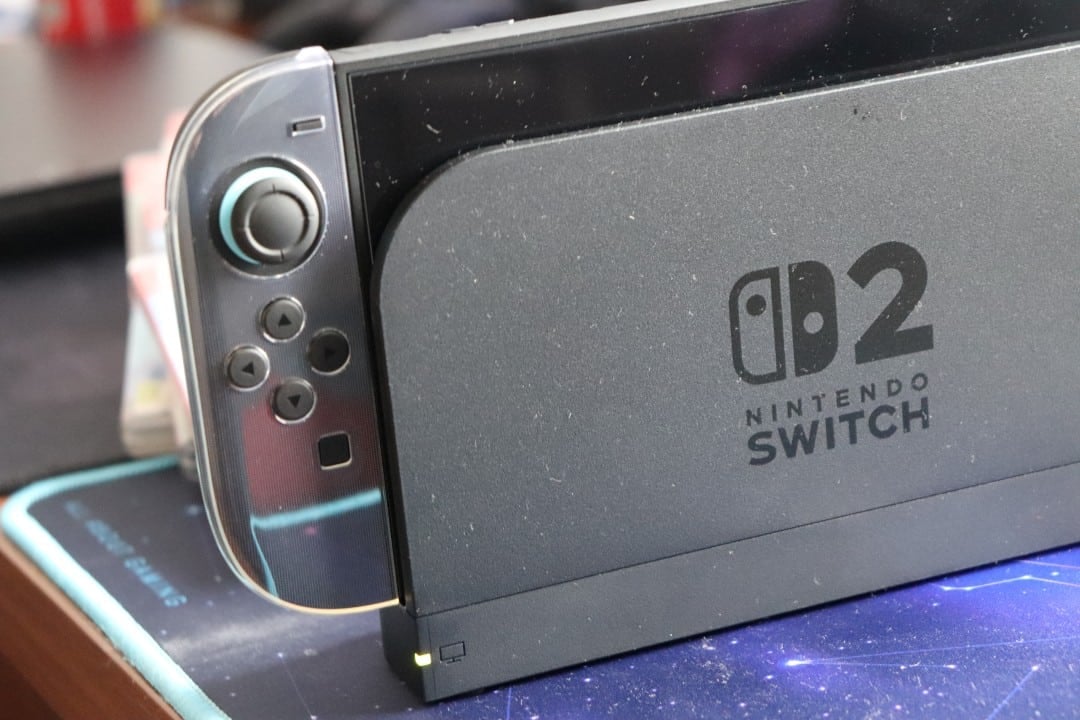
Central elements of the launch strategy are already circulating between partner studios and component suppliers:
– Manutenção of hybrid format with detachable controls and charging dock.
– Foco in backwards compatibility for the vast existing software library.
– Integração of artificial intelligence systems for image upscaling and performance optimization.
Technical specifications and processing architecture
The core of the new system must be powered by a customized version of the Tegra T239 chip, developed in partnership with Nvidia. Este component represents a considerable generational leap, allowing the execution of complex physical calculations and the rendering of detailed textures in real time, bringing visual quality closer to modern standards.
The main technical innovation lies in the adoption of Deep Learning Super Sampling (DLSS). Esta technology uses artificial intelligence to increase the resolution of native images, delivering clear graphics on television without requiring extremely expensive hardware or energy consumption that makes use outside of a socket unfeasible.
In portable mode, the screen should receive substantial improvements. OLED panels, already tried and tested in recent reviews of the current console, tend to be the factory default, offering higher contrast, deep blacks, more vivid colors and a refresh rate optimized for fast-action games.
Thermal management and battery life have also undergone rigorous redesigns. Engenheiros focused on more efficient heat sinks and higher density batteries to ensure the device maintains peak performance during long usage sessions, without overheating the device’s external structure.
Preparation of studios and development kits
Platform transition requires precise coordination between the hardware manufacturer and software creators. Large and medium-sized Estúdios have been operating with preliminary development kits for months, adapting advanced graphics engines, such as Unreal Engine 5, to get the most out of the new architecture. Familiarity with the previous programming environment facilitates the portability process, reducing the time needed to optimize code and allowing software engineering teams to focus on creating new mechanics and more expansive worlds.
The early provision of these tools ensures that the launch period is accompanied by a significant volume of available titles. The corporate strategy aims to avoid gaps in the launch calendar, a common logistical problem at the beginning of generations that tends to keep first buyers away. Produtoras outsourced companies, which previously faced severe memory and processing limitations, now find a viable technical environment to bring in major franchises, expanding the diversity of the catalog offered to consumers in the first months of the device’s retail life.
Catalog expansion and exclusive franchises
The driving force behind the mass adoption of a new entertainment system lies in its software library. Propriedades consolidated intellectuals, involving iconic characters and fantastic universes, are in an advanced stage of production to demonstrate the capabilities of the new hardware in the first year on the market.
In addition to direct sequels to big hits, the increase in firepower attracts simultaneous multiplatform projects. Jogos Complex open-world and sports simulators, which require intensive artificial intelligence and physics processing, will be able to run natively, eliminating dependence on versions running via the cloud.
The launch structure must follow an aggressive schedule to maintain public engagement:
– Títulos of high-budget technical demos available on launch day.
– Remasterizações of previous generation classics with high definition textures and fluidity improvements.
– Parcerias exclusives with Japanese and Western developers to fill specific market niches.
Strategic positioning in the entertainment sector
The current market presents a clear division between very high-performance machines, focused on extreme photorealism, and mobile devices aimed at strictly casual games. The new console seeks to dominate the intermediate space, offering dense experiences and deep narratives with the absolute convenience of mobility.
By not directly competing on raw processing specs against traditional desktop systems, the manufacturer maintains its healthy profit margin and focuses on user interface innovation. Essa approach has proven to be financially sustainable over the last decade and creates a niche shielded from the constant price fluctuation of high-end components.
Financial movement and supply chain
The introduction of new hardware moves billions into the global technology and retail economy. Fornecedores of semiconductors, Asian automakers and international distribution networks are preparing their operational logistics to meet an initial demand projected in the tens of millions of units worldwide.
The increase in sales of physical equipment directly boosts the profitable digital services sector. Assinaturas for online games, game expansions via download and the sale of licensed peripherals form a network of recurring revenues that supports the company’s financial ecosystem, ensuring stability for investors and shareholders.
Global Distribution and Manufacturing Logistics
The assembly and distribution of electronics on a global scale requires rigorous planning to avoid logistical bottlenecks that affect availability in stores. Production lines are being diversified across different Asian countries to mitigate risks associated with geopolitical tensions or unexpected disruptions to commercial shipping routes. The early procurement of critical components, such as high-speed flash memory and power management chips, aims to ensure that the volume of devices on shelves meets pent-up consumer demand in the first few weeks. Physical retail and large e-commerce platforms already structure pre-sale systems with security locks and identity verification to combat the actions of scalpers and automated purchasing robots, ensuring that the product reaches the end customer at the price officially suggested by the manufacturer.
Continuity of services and user accounts
The transition to the new platform will be facilitated by the full maintenance of the digital account ecosystem. Users will be able to migrate their profiles, friends lists, cloud save data and purchase histories seamlessly, ensuring that the financial and time investment made in the previous generation is preserved and seamlessly integrated with the device’s new network capabilities.
