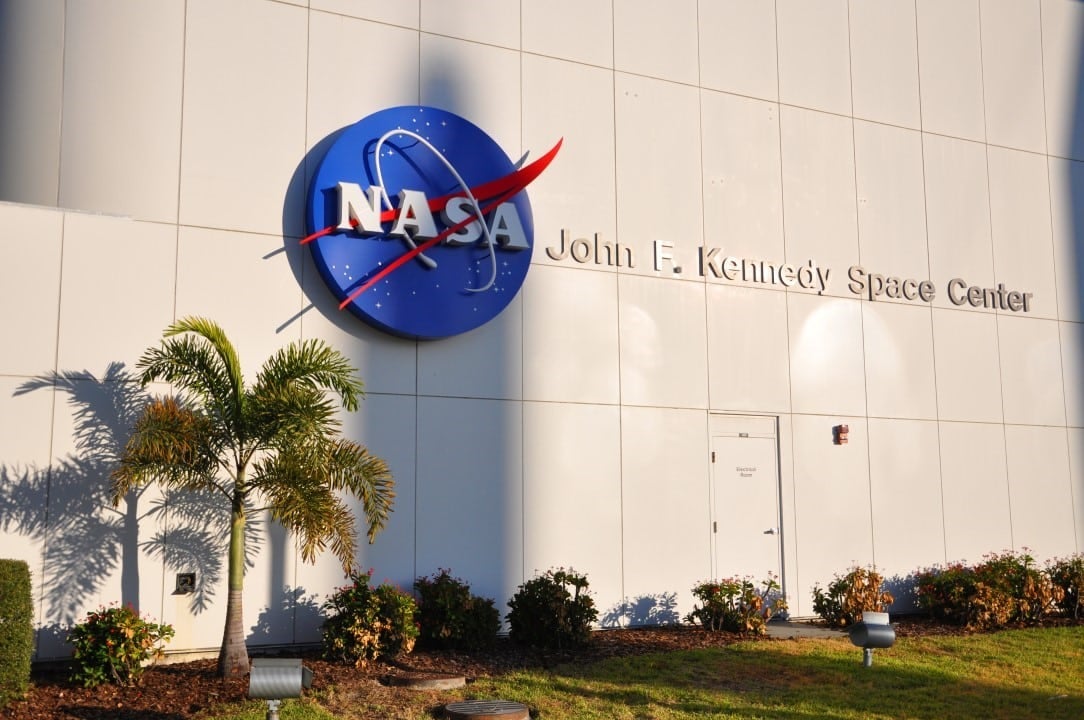
Nasa plans to launch the Artemis 2 mission next Wednesday, which will send four astronauts on a journey of around ten days around Lua. Esta will be the first manned mission of the Artemis program and will mark the return of humans to lunar orbit more than 50 years after Apollo 17, in 1972. The Space Launch System rocket (SLS) will be responsible for launching from Centro Espacial Kennedy, at Flórida. The crew will orbit the natural satellite without landing on the surface.
The main launch window is scheduled for April 1st, with alternative times scheduled for the 2nd, 3rd and 6th of the same month. Caso weather conditions do not allow it, there is still an additional opportunity at the end of the month. The North American space agency reported that the probability of favorable weather on the main date is high, although clouds and strong winds represent monitored risks. Live broadcast must take place on official channels.
- Crew made up of four experienced astronauts
- Approximate mission duration of ten days
- Expected return with landing at Oceano Pacífico
- Final preparations already underway at the launch site
The astronauts recently arrived at Centro Espacial Kennedy for final training and checks. Eles expressed confidence in the team’s preparation and technical advances made since previous delays caused by rocket problems such as fuel leaks and helium system failures. Essa mission represents an important step towards future plans for sustainable lunar exploration.
Advancing Lunar Exploration with Artemis 2
The Artemis 2 mission does not involve landing on Lua, but will serve as a critical test for life support and navigation systems in the lunar environment. Astronauts will perform complex maneuvers in orbit and collect data that will be critical for subsequent missions, including Artemis 3, which aims to take humans to the lunar surface. The Artemis program seeks to establish a sustainable human presence on the satellite in preparation for future trips to Marte.
Engineers at Nasa continue to monitor the SLS rocket and Orion capsule, which have already demonstrated significant advances in previous unmanned tests. The agency has adjusted schedules over the past few months to ensure maximum crew safety. Especialistas emphasize that the success of this mission will reinforce the Estados Unidos’s ability to lead international space exploration efforts.
Week of significant losses for big techs
The Nasdaq Composite index fell 3.23% in the week ending March 28, 2026, recording the worst weekly performance since April 2025. Essas pressures have especially affected the technology sector, which depends on global economic stability.
Alphabet, controller of Google, led the losses with a decline of almost 9% in shares. Microsoft recorded a drop of around 7%, while Nvidia and Amazon each lost close to 3%. Tesla fell almost 2% in the period. Apenas to Apple showed a slight increase, clashing with the general negative movement in the sector.
Meta Platforms had the worst individual performance, with a devaluation of more than 11%. The company faced two recent legal defeats in courts of Santa Fé, in Novo México, and Los Angeles, in Estados Unidos. The processes involve responsibilities for content moderation on platforms such as Facebook and Instagram.
Impact of external factors on the technology sector
High energy prices resulting from instability in the Oriente Médio have increased operating costs for companies that rely heavily on data centers and computing infrastructure. Analistas note that the technology sector remains sensitive to these external shocks, even with solid fundamentals in innovation and revenue growth in areas such as artificial intelligence.
Investors showed caution when evaluating recent balance sheets and projections for the remainder of the year. The combination of geopolitical risks with regulatory and judicial issues created a more pronounced risk aversion environment in Wall Street. The movement was reflected in a broad decline in the main technological indices.
Prolonged outage affects DeepSeek service
The DeepSeek artificial intelligence chatbot, developed by the Chinese startup of the same name, faced an outage lasting seven hours and 13 minutes on Monday, March 30, 2026. The problem began in the early hours of the day and was resolved at around 10:33 am China local time. Trata is the biggest interruption recorded by the platform since its popularization.
The company did not release details about the causes of the incident, following usual protocol in similar cases. Especialistas point out server failures or problems during system updates as possibilities. Usuários reported difficulty accessing the main service during the affected period.
Chinese company’s response to the incident
DeepSeek maintains a low profile in official communications regarding technical failures. The service was restored normally after the period of unavailability, with no reports of data loss or permanent impacts on user accounts. The episode occurs at a time of international expansion for the platform, which has gained prominence in recent months for offering accessible alternatives in artificial intelligence.
Industry observers monitor the stability of Chinese AI services in the face of rapid growth in global users. Incidentes like this serve to highlight the importance of redundancy in cloud infrastructure and robust backup systems. DeepSeek continues to compete with other international models in the generative chatbots market.
Context of volatility in the technology ecosystem
The technology sector has faced multiple challenges over the past week, with the DeepSeek episode adding to concerns about the reliability of emerging AI services. Enquanto American companies dealt with falls in financial markets, Asian platforms demonstrated specific operational vulnerabilities that affect user perception.
These events occur in parallel with the advancement of space projects such as Artemis 2, which represent another front of technological innovation with a strong state and private component. The convergence between space exploration, artificial intelligence and digital infrastructure defines a significant part of the current technological scenario.
Mission Artemis 2 operational details
The Orion capsule will carry astronauts during the trip, with systems tested on previous unmanned missions. The mission profile includes a passage close to Lua to carry out tests in real deep space conditions. Dados collected during the flight will help refine technologies for future manned landings.
Nasa coordinates efforts with international partners for the Artemis program, which aims not only to return to Lua, but also to develop orbital and lunar infrastructure. The imminent launch represents a symbolic and technical milestone for the space agency.
Market reactions after volatile week
The widespread fall of big techs reflects the sector’s sensitivity to macroeconomic and regulatory factors. Empresas like Meta face increasing scrutiny over content moderation practices, while others invest heavily in artificial intelligence and cloud computing.
Despite the weekly losses, analysts remember that the sector accumulates significant gains over longer periods, driven by continuous technological advances. Recovery will depend on geopolitical stabilization and quarterly results that confirm operational resilience.
DeepSeek service recovery and prospects
After the outage was resolved, the DeepSeek chatbot resumed full operations. The company must intensify monitoring measures to prevent recurrences in an environment of high demand for artificial intelligence services. Usuários global companies closely monitor the stability of these platforms.
The incident did not significantly alter DeepSeek’s growth trajectory, which is positioned as a competitive alternative in the market. Desenvolvimentos Futures in AI will continue to influence both established companies and emerging startups.
Final preparations for the lunar flight
Technical teams perform last-minute checks on the SLS rocket and the Orion capsule. The crew participates in simulations and reviews of emergency procedures. The success of Artemis 2 will pave the way for more ambitious missions in the coming years.
Space exploration experts highlight the historic nature of the launch, which ends a long interval without human flights beyond low Earth orbit. The mission reinforces Nasa’s commitment to leadership in manned space programs.
Developments in the technology sector
Big techs adjust strategies in the face of regulatory and market pressures. Investimentos in infrastructure and innovation remain priorities, even in periods of share volatility. The balance between growth and stability defines the sector’s next steps.
AI platforms like DeepSeek face similar challenges as global competitors, with an increasing focus on reliability and scalability. The recent episode serves as a reminder of the complexity behind seemingly simple services for end users.
Immediate perspectives for the space mission
If the launch goes as planned on April 1, Nasa will transmit images and data in real time during the initial phases. The scientific community is eagerly following the results that will come from this first manned stage of the Artemis program.
