Subaru’s most popular SUVs undergo detailed evaluation in 2026 focusing on three main models. The Forester positions itself as a versatile compact option, while the Crosstrek acts as an agile subcompact and the Layback completes the family with specific style and use features. Todos share standard Symmetrical All-Wheel Drive traction and EyeSight safety technology. The comparison considers engines, dimensions, load capacity and behavior in different driving scenarios.
2.5-liter boxer engine delivers 180 horsepower in most configurations of the three models. The CVT Lineartronic transmission transmits power to all four wheels continuously. Versões hybrids combine the same engine with electrical support and reach 194 total horsepower. Aceleração from zero to 100 km/h is around 8 seconds in tests carried out with gasoline models. Consumo varies depending on size, with the Crosstrek recording slightly better numbers in the combined cycle.
- Permanent all-wheel drive on all SUVs in the comparison
- X-MODE system with off-road modes in versions Wilderness or equivalent
- Towing capacity that reaches 1,500 pounds in most configurations
- Minimum ground clearance of 8.7 inches, higher on adventurous trims
Dimensions and internal space of the models
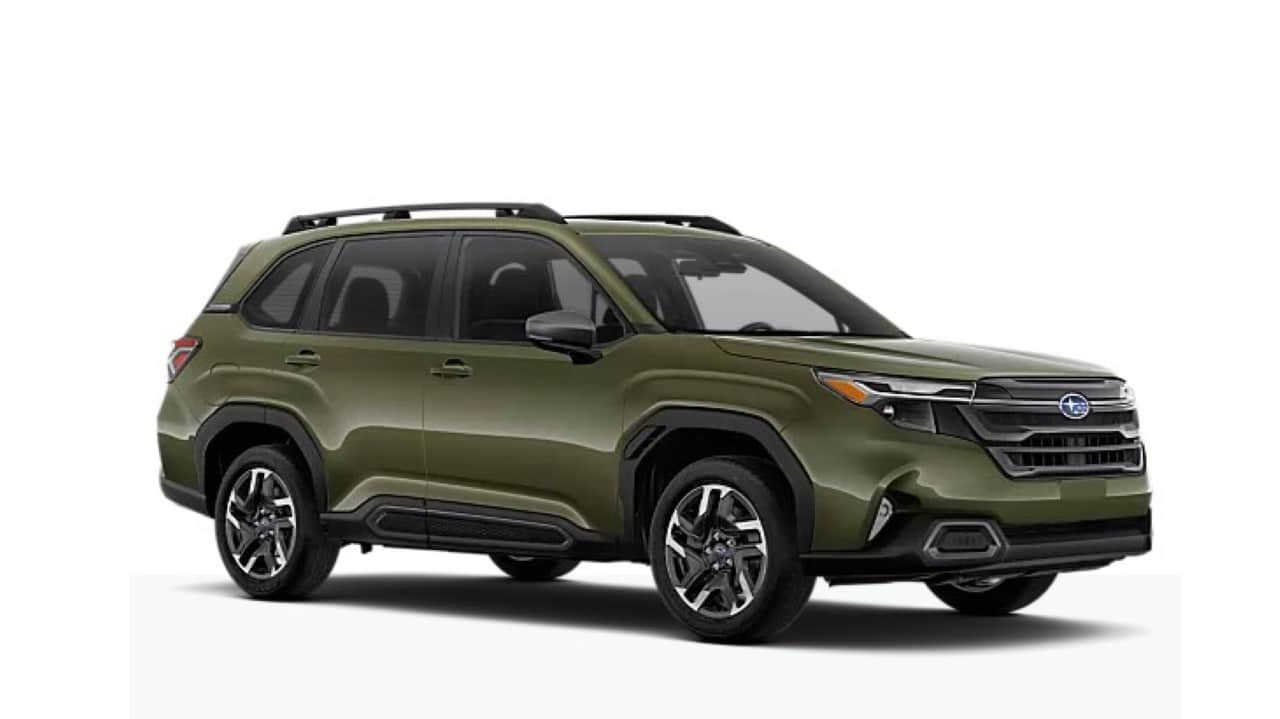
The Forester has a larger body in length, width and height when compared directly to the Crosstrek. Essa difference translates into greater internal volume for passengers and luggage. The Crosstrek offers lighter handling in urban environments thanks to its reduced size. The Layback follows a similar line to the Crosstrek with design adjustments that favor a lower or sportier look in some market regions.
Trunk volume behind the rear seat in the Forester exceeds that of the Crosstrek by several cubic feet. With seats folded down, the difference widens even further in favor of the larger model. Passageiros in the rear seats gain more leg and head room than the Forester. The Crosstrek compensates with ease of maneuvering in tight spaces and better economy on short stretches.
On-road and off-road performance
All SUVs maintain the Subaru DNA with a boxer engine that lowers the center of gravity and improves stability in curves. The Forester conveys a more planted feel at high speeds thanks to the wider track. The Crosstrek responds with greater agility during urban acceleration and braking. Versões Wilderness increase off-road capability with all-terrain tires, recalibrated suspension and additional floor protection.
Recent tests indicate that the Crosstrek reaches 60 mph in about 8.1 seconds in the Limited configuration. The Forester records close time in version Sport. Ambos handle rain, snow or uneven terrain well thanks to symmetrical AWD. The EyeSight assistance system includes automatic emergency braking, lane departure warning and adaptive cruise control on all models.
Technology and comfort features
Infotainment screens reach 11.6 inches in the most equipped models and support wireless Apple CarPlay and Android Auto. 12.3-inch digital Cluster appears in several versions for 2026. Materiais internals prioritize durability for daily use or long trips.
Security and assessments
Reinforced structure and multiple airbags protect occupants in collisions. The Forester and Crosstrek receive high marks in independent safety tests in markets where they are sold. Versões hybrids maintain the same levels of active safety equipment. Freios and suspension work in coordination to keep the vehicle stable even in adverse conditions.

Consumption and engine options
Gasoline models report combined consumption that varies between 26 and 29 mpg depending on model and weight. Versões hybrids improve these numbers significantly, with gains of up to 38% in urban cycles in some cases. Autonomia total can exceed 590 miles on a full tank in hybrid configurations. The choice between pure gasoline or hybrid depends on the daily use profile and the availability of each engine on the local market.
Choice recommendation
Buyers who prioritize interior space and cargo capacity tend to benefit most from the Forester. Quem seeks agility in everyday life and smaller size opts for Crosstrek. The Layback appears as an alternative when the differentiated style gains weight in the decision. Todos delivers Subaru reliability with all-wheel drive and updated safety features for the 2026 model year.
Adventurous variants
Trims Wilderness or equivalent add extra ground clearance, unique wheels and specific guards. Esses packages increase capacity on light trails without compromising urban use. Suspensão with greater travel absorbs irregularities better. Pneus with aggressive design improves traction on loose surfaces.
Interior and ergonomics
The Forester’s cabin accommodates five occupants with more space for long trips. The Crosstrek offers a higher driving position typical of compact crossovers. Materiais resistant and functional layout appear in all three models. Portas with good opening facilitates access even in tight parking lots.
Updates for 2026
Line 2026 brings refinements to the boxer engine to reduce noise and vibration. Larger Telas and improved connectivity come standard on more versions. Sistemas driver assistance features gain software updates. The external Design receives subtle adjustments that maintain the brand’s visual identity.
The comparison between Forester, Crosstrek and Layback confirms that the Subaru offers options within the same construction philosophy. Cada model meets different needs without giving up the all-wheel drive, safety and versatility that characterize the Japanese manufacturer. Motoristas can choose according to space, economy or drivability priority.
