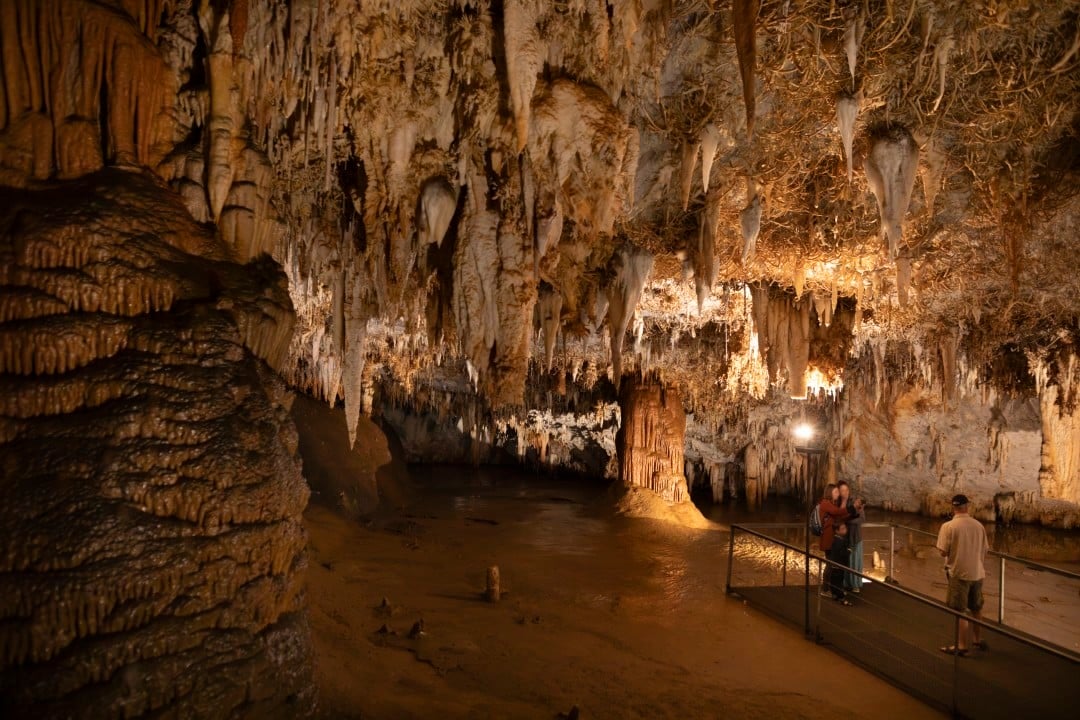
Scientists and researchers in the field of microbiology have identified a new strain of superbug in one of the deepest and most isolated caves in Bulgária. The microorganism, which has remained away from human contact for millennia, has demonstrated a surprising ability to resist modern and potent antibiotics, developed only in recent decades. The discovery occurred during a technical expedition aimed at mapping biodiversity in extreme environments, revealing that bacterial resistance may be a natural phenomenon much older than contemporary medicine assumes. Especialistas from several international institutions are now analyzing the genome of this organism to understand how it developed such sophisticated defenses without ever being exposed to drugs produced by the global pharmaceutical industry.
The resistance presented by this biological agent challenges current treatment protocols, as it has ignored the action of medications used as the last line of defense in hospitals. The cave environment, characterized by nutrient scarcity and geographic isolation, forced the evolution of aggressive survival mechanisms among local microscopic species. Esse scenario of extreme competition for minimal resources resulted in a chemical “armor” that prevents the penetration of external agents that would normally eliminate common bacteria found in urban areas. The detailed study of the case raises concerns about the effectiveness of current treatments if similar strains come into contact with the general population or undergo mutations that facilitate transmission in uncontrolled environments.
- The collection was carried out hundreds of meters deep in Bulgarian soil.
- Laboratory tests have confirmed the ineffectiveness of at least ten types of common antibiotics.
- The strain belongs to a group of bacteria that rarely interacts with mammals.
- Genetic sequencing indicates that resistance genes have been present for centuries.
Discovery in extreme environment reveals complex natural defenses
The sample collection process required high-precision equipment and strict biosafety protocols to avoid contamination of the external environment and protect the researchers involved. When analyzing the material in maximum security laboratories, microbiologists realized that the bacteria produce specific enzymes capable of deactivating antibiotic molecules even before they cause damage to the pathogen’s cellular structure. Este behavior indicates that resistance is not just a reaction to humanity’s indiscriminate use of medicines, but a biological warfare strategy that has occurred in nature for millions of years.
Analysis of the underground habitat showed that these bacteria live in highly organized communities known as biofilms, which act as an additional physical barrier against external threats. Dentro of these structures, the exchange of genetic information is constant, allowing resistance to spread quickly between different colonies without the need for external intervention. The data collected suggests that total isolation did not prevent the organism from preparing to face complex chemical substances, which changes the scientific perception about the evolution of microbiological defenses on planets or places that are difficult to access.
Resistance mechanisms challenge contemporary pharmacology
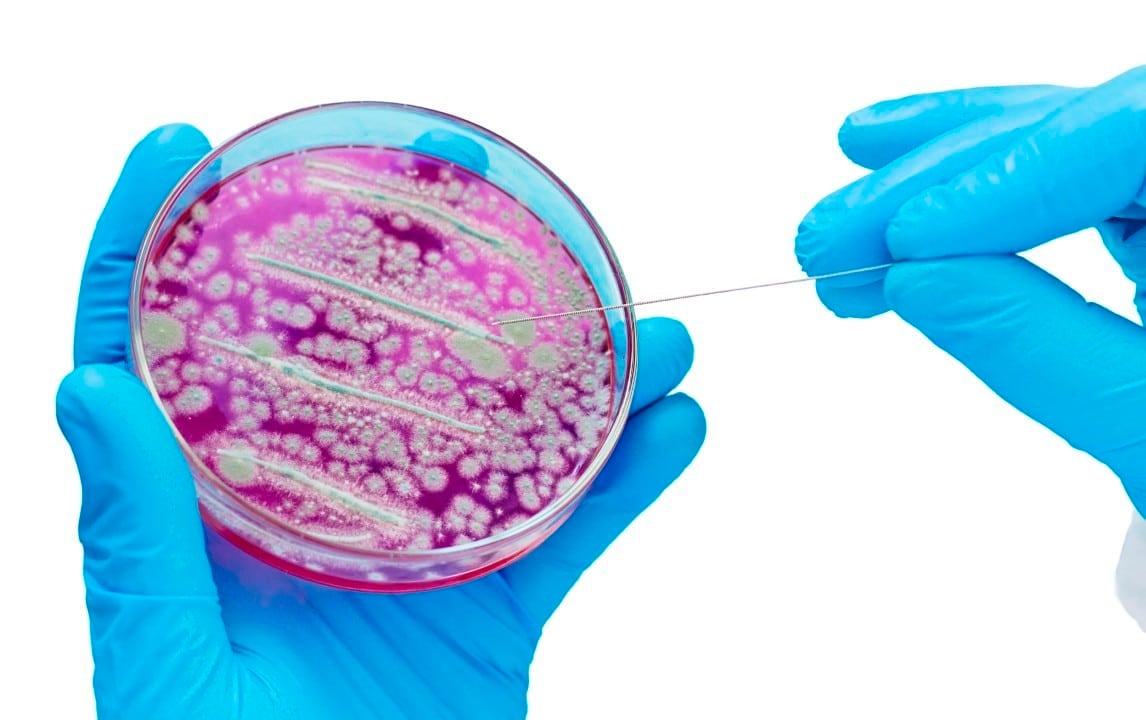
Initial tests focused on the application of penicillins and cephalosporins, classes of medicines widely distributed in pharmacies, but the Bulgarian bacteria showed no signs of growth inhibition. Mesmo With the use of carbapenems, which are reserved for severe and multi-resistant infections in intensive care units, the survival rate of the microorganism remained close to 100%. Essa biological robustness concerns Organização Mundial of Saúde, which monitors the emergence of new pockets of resistance that could compromise global health security in the coming years.
The cellular structure of this superbug has highly efficient efflux pumps, which work like small engines that expel any toxic substance that manages to cross the cell wall. Além Furthermore, the mutation of receptor proteins means that the antibiotic is unable to attach to the intended target, making the treatment useless in conventional clinical practice. Pesquisadores Brazilians and Europeans who collaborate on the project highlight that understanding these expulsion motors is the key to creating a new generation of drugs that can bypass such natural defenses in a more intelligent and direct way.
Impact of discovery on new drug research
The identification of this microorganism in a deep cave functions as a living catalog of defense strategies that medicine still needs to learn to neutralize effectively. Instead of focusing solely on creating stronger bacterial poisons, science is now looking for ways to “disarm” the bacteria, removing their protection before applying the main medicine. Studying these Bulgarian samples makes it possible to predict how surface bacteria may evolve in the future, functioning as a kind of biological “time machine” that anticipates medical challenges that have not yet fully manifested themselves in large urban centers.
Investments in biotechnology are being directed towards developing enzyme inhibitors that can be administered in conjunction with traditional antibiotics to restore their lost effectiveness. The Bulgarian case reinforces the need for constant vigilance in isolated ecosystems, as melting glaciers and deep mineral exploration can release other pathogens with capabilities similar to those found in the cave. Sharing data between laboratories in different countries is essential to create a protection network that can respond quickly to any sign of the spread of these resistant organisms.
- Increased investment in bacteriophage research as an alternative to medicines.
- Creation of new sterilization protocols for geological exploration equipment.
- Soil genetic monitoring in regions with deep caves that have not yet been explored.
- Development of rapid diagnostic methods to identify atypical resistance.
Geographic isolation ensured preservation of unique characteristics
The cave where the organism was found has a stable microclimate, with constant humidity and temperature, which allowed the preservation of bacterial strains that disappeared from the Earth’s surface a long time ago. Esse environment functions as an evolutionary refuge, where selection pressures are different from those found in soil exposed to sunlight and human pollution. The absence of ultraviolet radiation and the presence of specific minerals in the Bulgarian subsoil have contributed to the formation of a unique biochemistry that is now being deciphered by the world’s leading infectious disease experts.
Unlike the bacteria that circulate in hospitals, which gain resistance through direct contact with medicines, this strain developed its weapons to combat fungi and other bacteria that compete for space on the rock walls. Essa “Silent war” deep within the earth has produced a defense arsenal that is, coincidentally, compatible with resistance to man-made antibiotics in the 20th century. The discovery proves that nature has defensive solutions that human technology has barely begun to understand, requiring a more holistic and less linear approach to combating future pandemics or health crises.
Contamination risks and international biosafety measures
Although the bacteria was found in a remote location, the risk that unsuspecting researchers or explorers could transport these organisms to the surface is a reality that Bulgarian authorities take seriously. Áreas around the cave entrance were marked and access was restricted only to authorized personnel certified in handling dangerous biological agents. The decontamination protocol includes the use of gamma radiation and industrial chemicals to ensure that no living cells escape from the analysis laboratories located in the country’s capital and other European partner centers.
International cooperation is seen as the central pillar to prevent the discovery from becoming a public health problem, with samples being sent to reference institutes on different continents to cross-validate the results. DNA sequencing is being made available in secure scientific databases so that the global academic community can search for vulnerabilities in the superbug’s genetic code. Este joint effort aims to transform a potential threat into a learning opportunity to create more resilient therapies prepared for the microbiological challenges of the next century.
Constant monitoring in Bulgarian caves and remote ecosystems
The government of Bulgária announced the expansion of the microbiological monitoring program to other cave networks in the country, seeking to understand whether resistance is a national pattern or an isolated event in this specific location. Equipes of geologists and biologists work together to cross-reference data on the chemical composition of the rocks and the presence of resistance genes in the groundwater that circulates through these cracks. The expectation is that new data will help build a map of natural resistance, serving as a basis for future policies for the prevention and control of infectious diseases at a global level.
The application of artificial intelligence in the analysis of DNA sequences found has accelerated the identification of patterns that would previously have taken years to be noticed by human eyes. Algoritmos advanced researchers compare the genes of the cave superbug with thousands of other samples collected in urban, rural and hospital environments to trace the family tree of resistance. Este Biological detective work is essential to understanding the migration routes of genes between the wild and the controlled environment, ensuring that medicine stays one step ahead of microorganisms seeking to survive at any cost.
Considerations on the evolution of microbiology underground
Scientists emphasize that the discovery should not be a reason for irrational fear, but rather for greater awareness of the complexity of microbial life on the planet. Bacteria are the oldest beings in Terra and have an adaptation capacity that surpasses that of any other known living organism. The Bulgarian superbug is just one example of how life finds ways to persist even under the most adverse and isolated conditions, using chemistry as its main tool of defense and attack throughout geological eras.
New expeditions are planned for the next semester, with the aim of searching for other organisms that can act as natural predators of this superbug, which could pave the way for innovative biological treatments. The use of specific viruses that attack only bacteria, known as phages, is one of the most promising areas resulting from this finding in Bulgária. Science is moving towards an era where knowledge extracted from the depths of Terra will be fundamental to guarantee the longevity and health of the population that inhabits the surface, proving that isolation for millennia can hold vital secrets for human survival.
