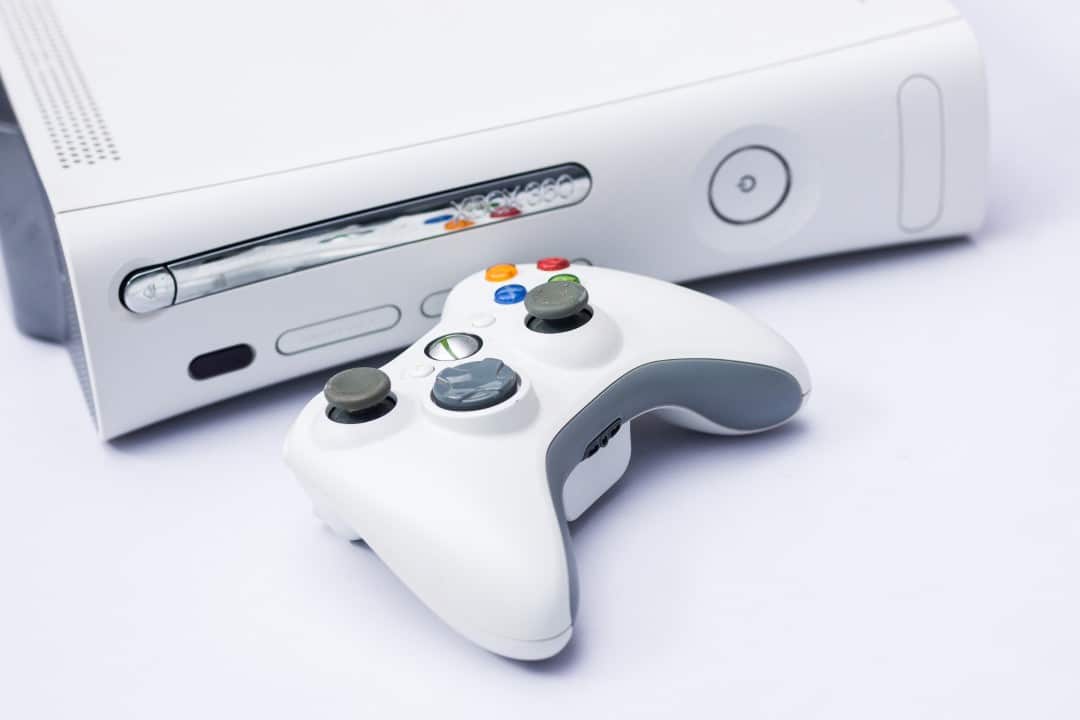
A series of recent incidents at Xbox Store have sparked intense discussions among the gaming community and game preservation enthusiasts. Títulos that had been removed from the digital store years ago, some of them classics from previous platforms, temporarily reappeared for purchase, generating both confusion and renewed optimism about the future of backwards compatibility in the Xbox ecosystem. Essas occurrences, observed at different times, suggest something beyond a simple one-off error, pointing to movements behind the scenes of the platform.
Players first noticed the anomaly with the game *Armed and Dangerous*, which appeared in the store with a price of $100 and an incorrect release date, before being quickly withdrawn. Within days, the pattern was repeated with two other significant titles, *Aegis Wing* and *Prince of Persia: The Sands of Time*, both of which had long been unavailable for digital purchase. The recurrence of these events, with peculiar characteristics such as inflated prices and inappropriate information, rules out the hypothesis of a single slip-up.
Unexpected reappearance of classic titles
The appearances of the games listed in Xbox Store were initially identified by community accounts on social platforms, which promptly alerted to the possibility of acquiring these titles, albeit for a brief period. The presence of *Armed and Dangerous* on March 25th, with a US$100 price tag and a visibly wrong release year, indicated a technical problem. Blank or misshapen cover art in the “My Games” list reinforced the incomplete nature of the data.
The same glitch later affected *Aegis Wing* and *Prince of Persia: The Sands of Time*, both known for their dedicated fan bases and prolonged absence from the digital catalog. The sequence of these events, occurring just a few days apart and involving different titles, transformed what could have been an isolated event into a phenomenon that drew attention to the infrastructure of Microsoft’s digital store.
The systematic nature of the phenomenon
The fact that the glitch occurred more than once, with different games, is what makes it harder to ignore as a trivial error. An isolated *backend* mishap can be easily dismissed, but two separate incidents involving different titles suggest something systemic. Mesmo Although the cause turns out to be mundane, the consistency of the reappearances points to an underlying activity or vulnerability in the platform’s architecture.
The absence of official explanations from Microsoft regarding the origin or nature of these episodes contributes to increased speculation. Embora disc versions of backwards compatible games continue to work on modern Xbox consoles, regardless of digital availability in the store, the incidents exclusively affected the digital purchase option, leaving many to question what is actually happening on the company’s servers.
The challenge of digital preservation
The situation with backwards compatible games in Xbox Store touches on a sensitive point for the industry: the preservation of digital games. Microsoft’s backwards compatibility program has wrapped up the addition of new titles in 2021, with one last big batch of games released for the console’s 20th anniversary. Desde So, the library remained static, and some titles that were part of it were removed digitally, although physical copies still work.
For players who do not have physical discs, these games are effectively inaccessible through official digital channels. The temporary reappearance of titles like *Prince of Persia: The Sands of Time* takes on a different weight in this context. Não These are obscure and minor games, but rather works with a considerable legacy and genuine nostalgia, whose absence from digital catalogs represents a real loss for those seeking legal access.
Theories and precedents in the market
For now, the prevailing theory is that these incidents are the result of a *backend* system failure, similar to others that have occurred in the past. A notorious example is what happened with Activision titles like *Deadpool* and *Marvel: Ultimate Alliance*, which received silent *backend* updates at Steam without there being an effective return to sale. Tais events suggest that there are processes underway on the servers, but that they do not always translate into concrete or intentional actions for players.
It is possible that Microsoft is performing maintenance, data migration, or internal testing that is accidentally exposing these delisted titles. The complexity of systems that manage thousands of games and their respective digital licenses can lead to temporary anomalies. However, the persistence and repetition of the problem keeps hope alive that something more significant is coming, even if it is not the primary intention behind these errors.
Xbox 25th Anniversary Background
All of these events gain an extra layer of relevance when seen in the context of the 25th anniversary of console Xbox, which will be celebrated later this year. In early 2026, Jason Ronald, Vice President of Next Generation at Xbox, made a significant statement, reaffirming Microsoft’s commitment to “keeping Xbox’s four-generation games playable for years to come” and confirming the arrival of “new ways to play some of the most iconic games from our past” as part of the celebrations.
That statement, combined with an extensive fan-led poll currently collecting votes on which games players would like to see in backwards compatibility, has kept speculation high. Títulos as *The Simpsons: Hit and Run* and *Spider-Man 2* are among the most voted in the survey, although no official list of games to be added or new features has been confirmed by Microsoft.
Community engagement and future possibilities
The community’s enthusiasm around backwards compatibility is palpable, and the in-store incidents only fuel that flame. Players are eager to relive classic experiences and yearn for more accessibility to a vast collection of titles. The uncertainty surrounding the exact meaning of the “new ways to play” mentioned by Ronald adds an element of mystery to the current scenario.
Among the most frequently cited theories, the following stand out:
The future of backwards compatibility and accessibility
It’s crucial to point out that while in-store *glitches* may be completely unrelated to these larger initiatives, they can also be the first signs of *backend* work in progress. Tratá them as definitive confirmation of any new development would be premature, given the absence of concrete evidence. Caution is necessary, but hope remains.
What is clear is that the discussion about backwards compatibility and game preservation is not going away. The importance of maintaining access to historic games is a theme that resonates strongly with the gaming community, and with Xbox’s 25th anniversary approaching, anticipation for concrete announcements from Microsoft is high. Manter-paying attention to the latest gaming news will be essential to follow any official development.
