Lewis Hamilton defends 2026 cars in F1 with reference to 20 years of career
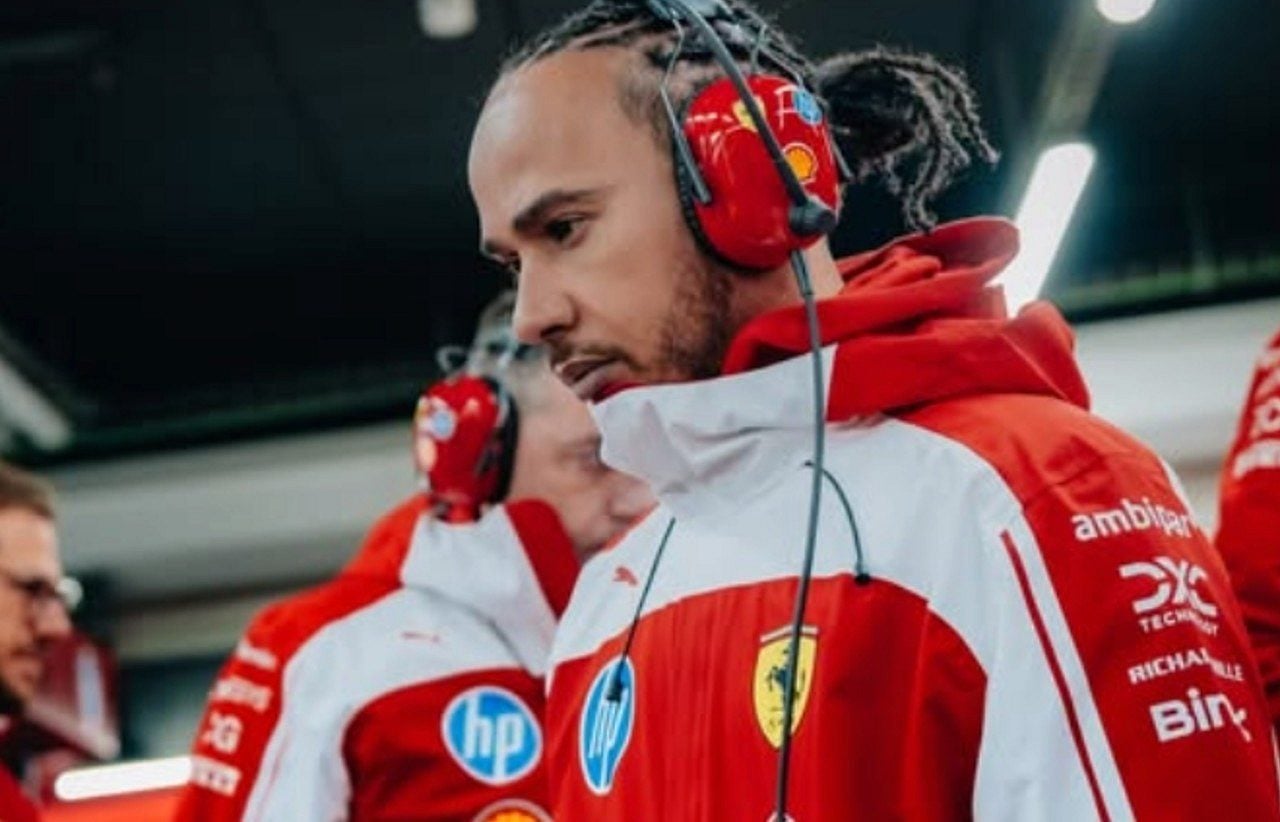
Lewis Hamilton defended Fórmula 1’s new regulations for the 2026 season and rejected criticism that the cars generate an artificial dynamic of constant overtaking. The seven-time world champion, who is in his 20th season in the category, stated that the current vehicles provide more fun competitions than any previous generation he has driven. Ele especially highlighted the ability to follow rivals in high-speed corners without completely losing control.
The British driver, now number Ferrari, commented on the significant changes to the aerodynamics and power units introduced this year. Essas changes have altered how drivers manage energy extraction and battery usage during races.
Hamilton compares current dynamics to karting
The seven-time champion recalled that the oscillation of positions, often called yo-yo racing, already occurs naturally in karting. Ele noted that no one criticizes this aspect when it happens in karts.
“People keep coming and going, coming and going, you can never let go,” Hamilton explained to journalists. “Nobody has ever referred to karting as yo-yo racing.”
Hamilton reinforced that this characteristic is part of the essence of real disputes in grassroots motorsport.
Changes in regulations alter strategy on the tracks
The 2026 cars feature modifications that reduce ride height sensitivity and make behavior more predictable in sliding situations. Essa configuration allows drivers to maintain the pace even after overtaking, unlike previous models that required greater precision.
Drivers report that the current generation makes it easier to keep up with nearby rivals on high-speed stretches. The new configuration also prioritizes the capture and efficient use of energy, which directly influences tactical decisions during races.
Advantage of following rivals at high speed
Of all the cars that Hamilton has driven over two decades in F1, the current one stands out for its ability to maintain proximity in fast corners without drastically losing grip. Ele considered this one of the best forms of racing the category has had in a long time.
“It’s the best form of racing, and F1 hasn’t been the best form of racing for a long, long time,” said the Brit. “This is the only car where you can go at high speed without completely losing control and still be able to stay behind.”
The experience accumulated by Hamilton over 20 seasons allows a broad view of the technical evolutions of Fórmula 1.
Pilot values fun in riding
Hamilton assessed that the 2026 cars are a little more fun to drive compared to previous generations marked by greater aerodynamic rigidity. Ele mentioned that overall balance facilitates adaptation and control in oversteering situations.
The Brit acknowledged that not all aspects of the new regulations are ideal, but highlighted the gains in terms of spectacle and wheel-to-wheel disputes. Ele argued that the current dynamism represents an advance in relation to what the category recently offered.
20 years of experience in F1
The driver has had experience with several regulation changes since his debut in the category. Essa luggage allowed him to directly compare the behavior of current cars with models from the past.
Hamilton continues competing for Ferrari and contributes his knowledge to the development of the Italian team. Sua opinion gains weight especially for representing an experienced voice amid the debate about the technical future of Fórmula 1.
- New cars make it easier to follow high-speed curves
- Energy management influences overtaking and position maintenance
- The 2026 regulation prioritizes efficiency in energy capture
- Riders need to adapt their riding style to maximize performance
The current season continues with teams adjusting setups and strategies to get the most out of their vehicles under the new rules. Hamilton stays focused on contributing to Ferrari while publicly advocating the benefits of the changes implemented.
