Leaked images of the Sony Xperia 1 VIII show borderless design and square photo module
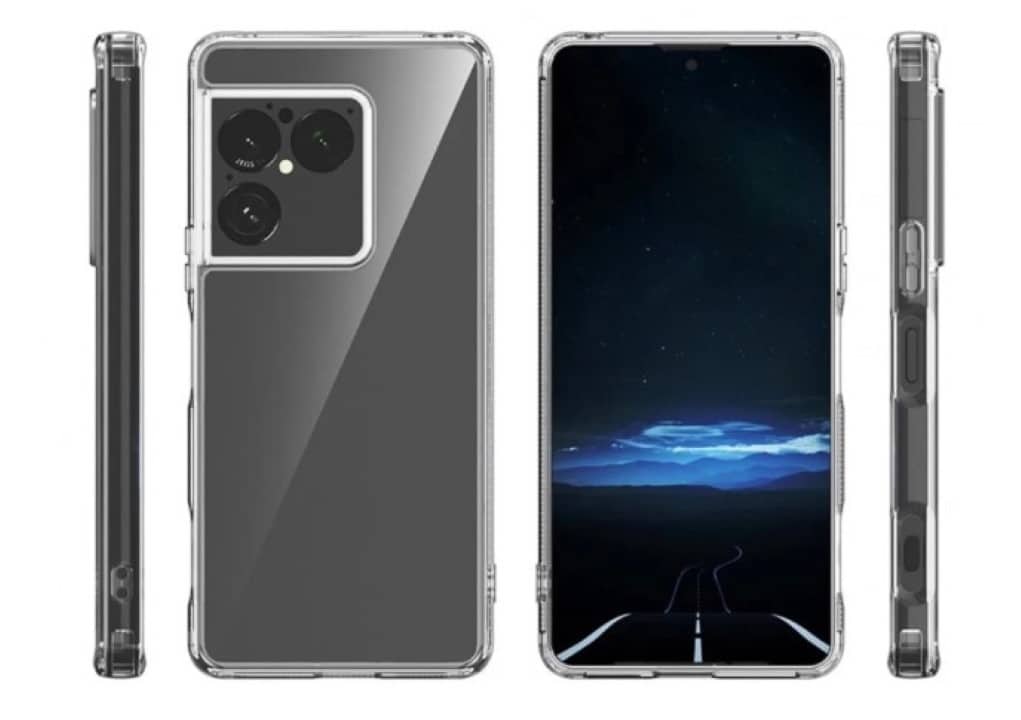
Unreleased details about the Japanese manufacturer’s next launch in the premium mobile device segment were recently made public. The high-performance model promises to reformulate the line’s visual identity, abandoning aesthetic characteristics maintained by several generations of the brand’s devices.
The rendered images circulating on the internet indicate a drastic change in the screen’s aspect ratio, eliminating the top and bottom margins that traditionally housed the front sensors. Essa structural change seeks to maximize the use of the front panel for media consumption, reading and playing electronic games.
ソニー Xperia 1 VIIIpic.twitter.com/h3MbxJc92K
— テック・アルティメイタム (@TechieUltimatum)2026年4月2日
The leak points to a complete restructuring also on the back of the device, signaling a new approach by the company to compete in the competitive global high-end smartphone market. The modifications aim to modernize the equipment and align the product with the visual standards required by current consumers.
Visual changes and the new device screen
The most noticeable change in design is the transition to a completely borderless display, breaking with the brand’s classic rectangular format. Historicamente, the company chose to maintain symmetrical and thick frames to accommodate the front camera and stereo speakers facing the user.
To achieve this new clean look, engineers needed to rethink the positioning of the internal components and the selfie lens. Existem technical indications that the manufacturer has adopted under-screen camera technology, a complex system that hides the photographic sensor under the display pixels when not in use.
Another technical alternative evaluated during the development of the project was the implementation of a small hole centered in the panel, a standard widely established by direct competition. The final decision regarding the front camera directly impacts the seamless viewing experience offered to users while playing videos.
The display must maintain very high definition resolution and a high refresh rate, characteristics that have become a trademark of the company’s premium line. The screen proportion has also undergone millimeter adjustments to improve ergonomics, making daily handling easier with just one hand.
Reformulation of the photographic module and partnership with Zeiss
On the back, the device features a square camera module positioned in the top left corner, replacing the traditional vertical pill-shaped arrangement. Essa new geometric configuration allows the inclusion of physically larger image sensors and more advanced optical stabilization systems, essential for capturing professional photographs. The partnership with renowned lens manufacturer Zeiss remains active, ensuring the application of a special coating that reduces unwanted reflections and significantly improves color fidelity in high-resolution images and video recordings.
The photographic set integrates a high-capacity light-gathering main lens, an ultrawide camera improved for landscapes and a telephoto sensor with a continuous optical zoom mechanism. The restructuring of the camera block not only meets an aesthetic demand, but represents an engineering need to accommodate the latest generation photographic hardware without compromising the overall thickness of the smartphone. Internal image processing software also receives deep updates to optimize performance in low-light environments and provide detailed manual controls for photographers and digital content creators.
Cooling System and Hardware Performance
To support the intense processing required by heavy applications, high-end games and 4K resolution video recording, the smartphone’s internal design incorporates a significantly expanded cooling system. Thermal management became a top priority after previous generation models experienced limitations in continuous usage time due to overheating of critical motherboard components. The new vapor chamber and multiple heat dissipation layers constructed from graphene have been completely redesigned to cover a much larger area of the internal chassis, ensuring the cutting-edge processor maintains its peak performance for extended periods without experiencing automatic speed reduction. Essa Improved thermal architecture is essential to sustain high frame rates in demanding software and maintain operating system stability when executing multiple simultaneous tasks, effectively meeting the rigorous demands of the most intensive users and professionals who use their cell phones as their main work tool.
Commercial positioning and global sales
The company’s mobile devices division is undergoing an operational restructuring phase, seeking to increase its presence in commercial hubs Europa and Ásia. The new design of the device aims to attract a wider consumer audience, going beyond its loyal fan base and professional photography enthusiasts.
Experts in the technology sector indicate that simplifying the portfolio and focusing exclusively on devices with very high added value are essential measures for the department’s financial maintenance. The brand focuses its efforts on offering exclusive audiovisual resources that differentiate it from the main Asian and North American manufacturers.
The physical and digital distribution of the product prioritizes direct sales channels and strategic partnerships with selected telephone operators, optimizing logistics costs and marketing campaigns. Essa focused commercial approach allows for rigorous control over the purchasing experience and the quality of technical support offered to customers.
Production phase and component testing
Pre-production units are already circulating between software developers and commercial partners for final validation of the operating system and optimization of native applications. The mass manufacturing process requires precise calibration of the new borderless screens and exact alignment of the photo sensors repositioned on the back.
The supply of critical parts, such as high-frequency display panels and central processing microchips, was secured in advance from suppliers to avoid delays in deliveries. The assembly of the devices follows strict industrial quality control protocols to guarantee international certification of resistance against submersion in water and exposure to dust.
Movements in the mobile technology sector
The development of this device represents a decisive moment for the Japanese manufacturer, which needs to demonstrate a high capacity for innovation in a highly saturated electronics segment. Public acceptance of the new borderless format will serve as an important commercial barometer to guide the design of future generations of the product family.
Mobile hardware engineers closely monitor the implementation of the hidden front camera, technically evaluating whether image capture quality has been maintained in favor of the screen’s clean aesthetics. The perfect functioning of this technological integration has the potential to dictate new industrial design guidelines for the next global launch cycles.
Details about battery life
The internal resizing of the aluminum chassis allowed the inclusion of a higher density power cell, specifically designed to support the electrical consumption of the new bright display and advanced processor during a full day of continuous use and browsing on high-speed networks.
