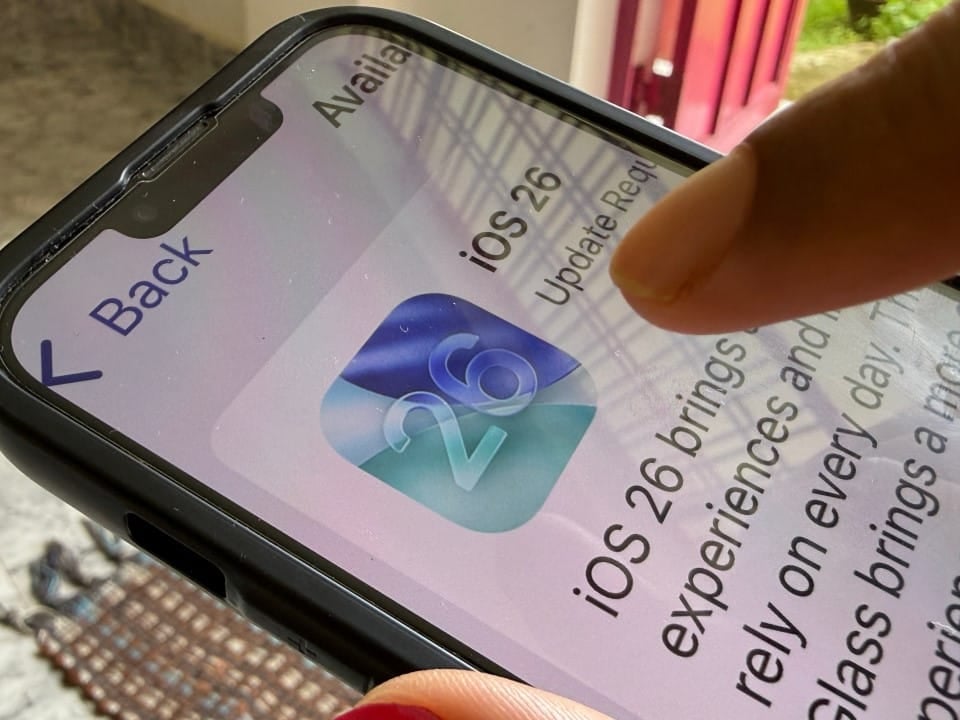
The technology giant based in Cupertino has released the first test version of its latest mobile operating system. The software reaches developers and enthusiasts with the promise of transforming communication between different platforms. The main structural change involves the adoption of a new native messaging standard.
The release is part of the company’s official software update calendar for the current year. Users registered in the testing program can now download the data package directly from the configuration menus of their devices. The company recommends that the download be done on secondary devices due to the unstable nature of preliminary versions.

The central focus of this update is on system interoperability and consumer data protection. The implementation meets international regulatory requirements and seeks to level the global mobile communication experience. Engenheiros software monitors initial reports to apply fixes before final release.
Communication architecture and integration of the new protocol
The adoption of the Rich Communication Services standard represents a profound change in the iPhone maker’s software strategy. Historicamente, the company kept its messaging ecosystem restricted to its own devices, creating a technological barrier with other platforms. The new architecture allows advanced typing features to work fluidly between different operating systems.
Sending high-resolution multimedia files gains stability with the new network infrastructure. Anteriormente, the transfer of videos and photos to devices from other brands suffered severe compression, resulting in a drastic loss of quality. The new protocol supports data packets of up to 100 megabytes without changes to the original file resolution.
– Sincronização real-time read receipts across different platforms.
– Suporte native for emoji reactions in mixed conversations.
– Indicadores active typing regardless of the recipient’s operating system.
– Gerenciamento Advanced grouping with unified administrative controls.
The technical transition requires a restructuring of the company’s communication servers to support the increase in enriched data traffic. Infrastructure teams work together with internet providers to ensure low latency in message delivery. The goal is to eliminate traditional bottlenecks associated with the old standard of short messages.
Advanced data protection and privacy mechanisms
Cybersecurity acts as the fundamental pillar of this test version, introducing additional layers of protection in the traffic of sensitive information. The developer has integrated asymmetric encryption algorithms that isolate contact metadata from the actual content of exchanged messages. Esse mechanism ensures that the processing of security keys occurs exclusively within the secure enclave of the device’s processor, preventing external agents or intermediary servers from having access to the text or media sent. The architecture was designed to meet the most stringent privacy legislation in the European and Asian market, establishing a new standard of confidentiality for mobile communication.
In addition to strong encryption, the operating system incorporates machine learning-based smart filters that run locally on the device. Essa technology identifies suspicious patterns, malicious links and electronic fraud attempts without the need to send the content for analysis on cloud servers. Contact identity verification has also been improved, issuing automatic alerts if a known sender’s security keys change suddenly. Essas Preventive measures aim to protect consumers against data interception attacks, maintaining the integrity of conversations in public network environments or connections from vulnerable operators.
Interface adaptation and cross-platform usability
The design of the native messaging application received specific modifications to accommodate the new functions without changing users’ visual familiarity. Ícones information has been added to the interface to clearly indicate when a conversation is operating under the new security protocol. The transition between traditional shipping methods and new technology happens invisibly behind the scenes.
The fluidity of navigation and the speed of opening heavy attachments show notable improvements on high-speed connections. The application’s source code has been rewritten to prioritize the rendering of rich media, reducing the loading time of image galleries within conversations. Relatórios Preliminaries from testers indicate a more accurate tactile response when interacting with interface elements.
Battery consumption during heavy use of the messaging app has also undergone optimizations in modem power management. The constant communication required by the advanced protocol demands greater efficiency from the device’s radio hardware. Fine calibration of these components is essential to maintain the device’s daily autonomy within the standards expected by consumers.
Guidelines for Adhering to the Software Testing Program
Access to the preliminary version of the system requires prior registration on the manufacturer’s official development portal. Interested parties must download a specific configuration profile that authorizes the device to receive unfinished data packets. The company emphasizes the absolute need to perform complete backups before starting any installation procedure.
During the evaluation phase, participants have access to a dedicated application for directly sending failure reports and suggestions for improvement. The engineering team uses this collective database to map compatibility errors with third-party applications. Rapid remediation of community-reported vulnerabilities dictates the pace of release of subsequent updates.
Technical alignment with telecommunications providers
The full functionality of the new messaging protocol depends directly on the infrastructure provided by mobile phone operators. The software manufacturer maintains strategic partnerships with global telecommunications companies to certify the compatibility of networks with new traffic requirements. Atualizações network profile messages are sent to devices as soon as a partner operator activates support for the technology.
Automatic feature activation eliminates the need for complex manual configuration by the end user. In regions where support has already been established, data traffic migration occurs instantly after rebooting the updated device. Global standardization of mobile communication services reduces dependence on third-party messaging apps.
Processing optimization and mobile network stability
The overall performance of the operating system in fluctuating connectivity environments received special attention from developers in this stage of public testing. Software engineering implemented intelligent reconnection routines that keep message packets on encrypted standby if the device temporarily loses the operator’s signal. Assim Once the connection is reestablished, whether via cellular network or wireless internet, the system prioritizes sending and receiving this accumulated information without overloading the main processor. Essa Efficient management of network resources prevents messaging application crashes and ensures that no information is corrupted during telephone antenna transitions. Deep integration between the system code and state-of-the-art communication modems allows the device to switch between different signal frequencies with minimal power consumption, preserving battery life even in conditions of extreme use and continuous transfer of heavy multimedia files.
Final adjustments for the commercial launch of the software
The development schedule foresees the release of successive patch versions over the next few weeks. Code stabilization and elimination of critical security flaws precede mass rollout of the update to all supported devices. The consolidation of this protocol marks a fundamental step in the modernization of the company’s digital communications infrastructure.
