
Huawei took another step forward in the wearable device category by sharing the first real image captured by its new artificial intelligence smart glasses. The CEO of Consumer Business Group, He Gang, published a photo on Weibo that bears the watermark “HUAWEI AI Glasses” at the bottom, confirming the photography capability of the accessory. Essa disclosure takes place a few days before an expected company event, reinforcing the focus on visual features combined with audio features.
The glasses are scheduled to be launched on April 21, 2026, along with other products in the line. Diferente From previous models in the Eyewear family, which prioritized audio only, this version introduces an integrated camera for first-person captures. The shared image shows a simple object, but demonstrates sharpness, faithful colors and preserved details, characteristics that the company intends to offer to users on a daily basis.
- Hands-free photo and video capture
- Direct integration with smartphones via HarmonyOS
- Support real-time translation for conversations and texts
These points indicate that the device seeks to meet both professional and personal needs, making it easier to quickly record moments without having to take your cell phone out of your pocket.
Design evolution and integration with the ecosystem Huawei
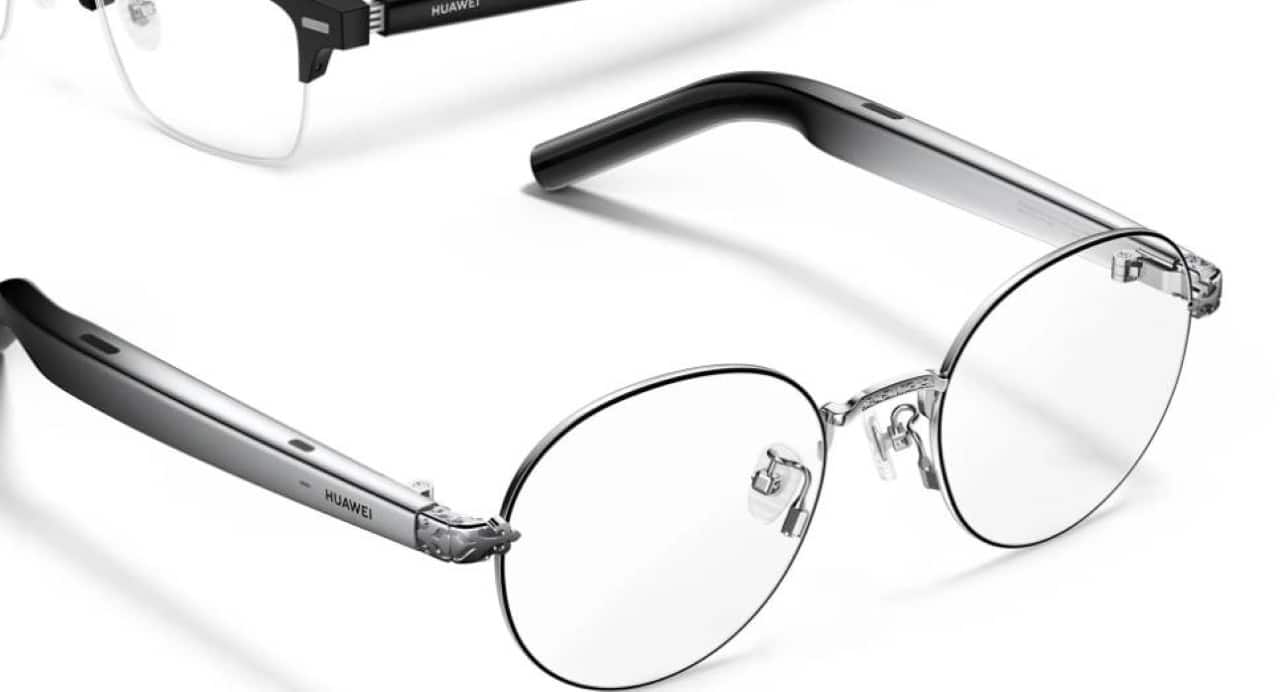
The new glasses maintain a light and discreet look, designed to integrate naturally with the wearer’s face without drawing excessive attention. Estão color options such as silver and black are planned, with materials that prioritize comfort for prolonged use. Essa approach allows the accessory to function as an everyday item rather than a flashy gadget.
Connection to HarmonyOS 6 should allow automatic import of photos taken by the glasses to the paired smartphone. The process takes place in real time, with status updates visible on the connected cell phone screen. Usuários will be able to synchronize the device with other brand products in a fluid way, expanding the possibilities of integrated use.
Huawei appears to target an audience that values practicality in travel, work meetings and outdoor activities. The combination of audio and image capture represents a clear strategic shift from Eyewear 2, which was limited to the sonic experience. With this evolution, the company seeks to compete directly with similar proposals already present on the international market.
Featured AI and Translation Features
Artificial intelligence should act as a central element of the glasses, with an emphasis on real-time translation of spoken conversations or viewed texts. Essa tool can help in multilingual environments, such as international professional meetings or tours in foreign countries, without relying exclusively on an application on the phone.
The system should also include object recognition and vision-based navigation capabilities, expanding utility beyond simple photography. The camera allows you to record the world from the user’s perspective, making it easier to document everyday scenes with consistent quality.
Integration with the HarmonyOS ecosystem facilitates data flow between glasses, smartphones and other devices. Fotos captured can be automatically transferred, maintaining privacy and speed in the sharing process when necessary.
Technical details and expectations for launch
The design prioritizes lightness to avoid discomfort during extended use. The structure must be resistant enough for everyday use, with finishes that convey discretion and elegance. The color variants aim to meet different aesthetic preferences without changing the focus on functionality.
Huawei has reinforced the development of wearables that combine proprietary hardware and software. HarmonyOS 6 should optimize the performance of embedded AI, reducing latency in tasks such as translation and image processing directly on the device.
Experts are following the Chinese company’s movement in the smart glasses segment, which is gaining global traction with proposals from brands such as Meta. The addition of a camera marks Huawei’s most robust entry into this competition, with the potential to expand the catalog of connected accessories.
Shared sample reinforces focus on photography
The photo released by He Gang serves as initial proof of the integrated sensor’s capabilities. Capturada from a first-person perspective, the image has good definition even in simple lighting conditions, which suggests preparation for varied everyday scenarios.
This teaser initiative generates anticipation before the official event scheduled for April. The company often uses executive posts to preview features without revealing all the details at once.
The joint launch with other flagships indicates that the glasses will be part of a larger package of hardware and software news. Consumidores who already use Huawei products should find greater synergy between the devices.
Preparations for market and practical use
Huawei plans to position the AI Glasses as a complete solution for those looking to record moments in a discreet and practical way. Automatic synchronization with your cell phone eliminates manual steps, making the flow more efficient for those who need to document meetings, trips or professional activities.
The real-time translation feature can reduce communication barriers in global contexts where English is not always sufficient. Usuários report in preliminary tests of similar technologies that the functionality speeds up interactions without requiring pauses to consult external translators.
The understated design helps keep the focus on the user experience rather than the appearance of the accessory. With neutral color options, the glasses should adapt to different personal styles and wearing environments.
The company continues to invest in closed ecosystems that prioritize internal compatibility. Essa strategy can attract those who already have smartphones, tablets or other wearables from the brand, increasing the perceived value of the new product.
