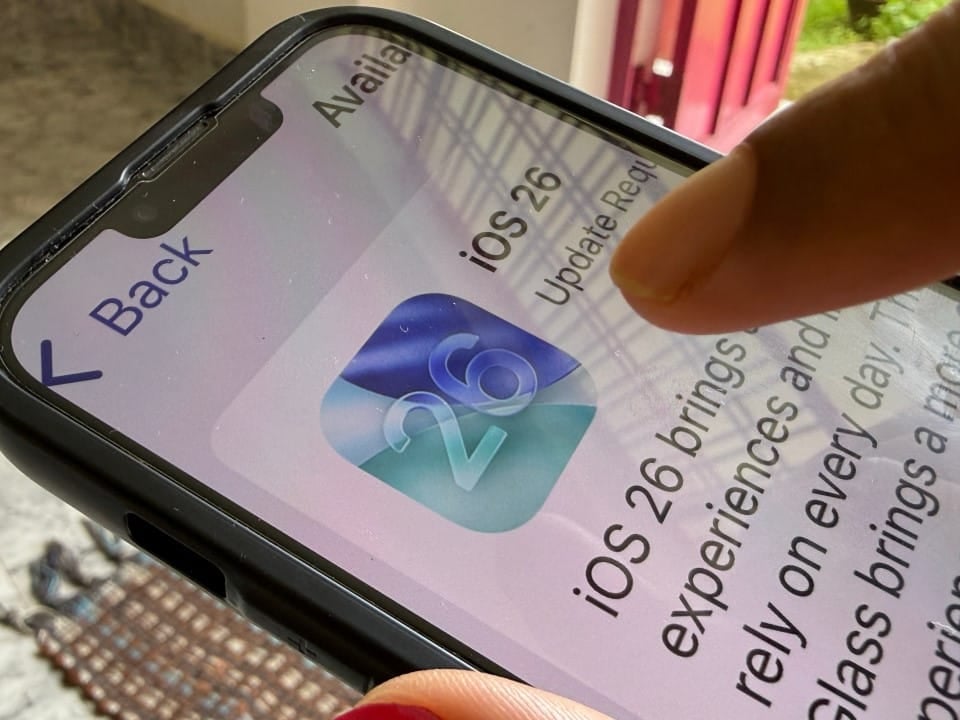
The technology developer based in Cupertino has started distributing the first preliminary version of its latest operating system for mobile devices. The software package reaches programmers with the premise of changing the dynamics of communication between different digital ecosystems. The central modification to the system architecture involves the integration of a new native standard for exchanging text and media messages, replacing outdated protocols with real-time transmission technologies.
The availability of the file is part of the company’s official update schedule for the current cycle of innovations. Users who are actively registered in the developer program can now download directly through the smartphone configuration menus. The manufacturer recommends that installation occurs on secondary devices, as initial editions tend to present instability in resource management and battery power consumption.

The central focus of this update is on system interoperability and consumer data protection. The implementation meets international regulatory requirements and seeks to level the global mobile communication experience. Engenheiros software monitors early reports to apply fixes before the final release, ensuring that compatibility issues are resolved in the coming weeks.
Cross-platform communication architecture
The adoption of the Rich Communication Services standard represents a structural change in the North American manufacturer’s software strategy. Durante years, the company kept its messaging application isolated, which created a technical barrier when interacting with competing operating systems. The new network infrastructure allows advanced typing and sharing tools to operate seamlessly between devices from different brands, eliminating dependence on the old short message format. Essa change meets a long-standing demand from telecommunications regulatory bodies, which sought standardization in the exchange of information via the cellular network on a global scale.
High definition multimedia file traffic gains stability with the implementation of this technology on the company’s servers. Antes of this update, the transfer of photographs and videos to external devices went through a severe compression process, which resulted in an immediate loss of visual quality. The newly integrated protocol supports sending large data packets while maintaining the original resolution of the material and ensuring real-time synchronization of read receipts. The technical transition requires a restructuring of the company’s communication servers to support the increase in enriched data traffic without compromising delivery speed.
Features integrated into the new system
Infrastructure teams work together with internet providers to ensure low latency in message delivery. The objective is to eliminate traditional bottlenecks associated with the old communication standard and offer a fluid experience.
– Sincronização real-time read receipts between different platforms, ensuring transparency in the delivery of data packages.
– Suporte native for emoji reactions in mixed conversations, promoting a more dynamic and visually standardized interaction.
– Indicadores active typing regardless of the recipient’s operating system and advanced management of chat groups.
Defense and privacy mechanisms
Cybersecurity acts as the fundamental pillar of this test version, introducing additional layers of protection in the traffic of sensitive information. The developer has integrated asymmetric encryption algorithms that isolate contact metadata from the actual content of exchanged messages. Esse mechanism ensures that the processing of security keys occurs exclusively within the secure enclave of the device’s processor, preventing external agents or intermediary servers from having access to the text or media sent. The architecture was designed to meet the most stringent privacy legislation in the European and Asian market, establishing a new standard of confidentiality for mobile communication. Além of robust encryption, the operating system incorporates intelligent machine learning-based filters that run locally on the device. Essa technology identifies suspicious patterns, malicious links and electronic fraud attempts without the need to send the content for analysis on cloud servers. Contact identity verification has also been improved, issuing automatic alerts if a known sender’s security keys undergo sudden changes during the exchange of messages.
Visual adaptation and usability
The design of the native messaging application received specific modifications to accommodate the new functions without changing users’ visual familiarity. Ícones information has been added to the interface to clearly indicate when a conversation is operating under the new security protocol, making it easier to identify the sending method.
The fluidity of navigation and the speed of opening heavy attachments show notable improvements on high-speed connections. The application’s source code has been rewritten to prioritize rich media rendering, reducing loading times for image galleries and videos recorded at full resolution.
Battery consumption during heavy use of the messaging app has also undergone optimizations in modem power management. The constant communication required by the advanced protocol demands greater efficiency from the device’s radio hardware, requiring fine calibration of the internal components.
Guidelines for Software Testers
Access to the preliminary version of the system requires prior registration on the manufacturer’s official development portal. Interested parties must download a specific configuration profile that authorizes the device to receive unfinished data packets, requiring complete backups to be made before starting the procedure.
During the evaluation phase, participants have access to a dedicated application for directly sending failure reports and suggestions for improvement. The engineering team uses this collective database to map compatibility errors with third-party applications and accelerate the vulnerability remediation process.
Alignment with telephone operators
The full functionality of the new messaging protocol depends directly on the infrastructure provided by mobile phone operators. The software manufacturer maintains strategic partnerships with global telecommunications companies to certify the compatibility of networks with the new requirements for enriched data traffic.
Automatic feature activation eliminates the need for complex manual configuration by the end user. In regions where technical support has already been established by telecommunications companies, data traffic migration occurs instantly after rebooting the updated device.
Network and processing stability
Software engineering implemented intelligent reconnection routines that keep message packets on encrypted standby if the device temporarily loses the operator’s signal. Assim Once the connection is reestablished, whether via cellular network or wireless internet, the system prioritizes sending and receiving this accumulated information without overloading the main processor. Essa Efficient management of network resources prevents messaging application crashes and ensures that no information is corrupted during telephone antenna transitions, preserving file integrity and battery life even under extreme usage conditions.
