Massive Israeli attack in Lebanon leaves more than 250 dead and 900 injured, generating widespread destruction
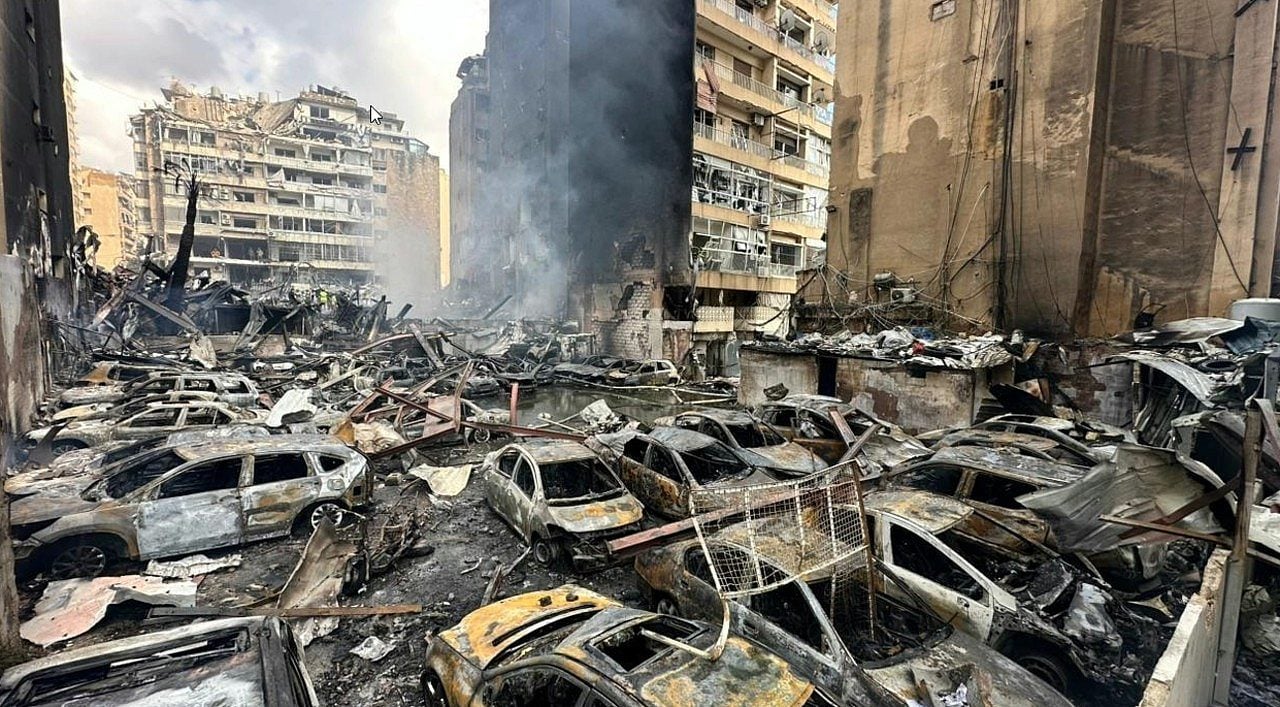
An intense series of bombings carried out by Israel on Wednesday, April 8, 2026, resulted in vast devastation and a high number of victims in Líbano. Durante In a period of just ten minutes, 160 missiles were fired into Lebanese territory, causing the death of more than 250 people and leaving hundreds injured, in addition to complete destruction of numerous buildings.
The coordinated attacks by Israel targeted approximately 100 positions of the Hezbollah group, covering several Lebanese regions. The capital Beirute was one of the hardest hit places, along with areas in the south of the country, on both banks of the river Litani, the east and the far north of Líbano.
Images and videos that circulated after the offensive revealed the magnitude of the destruction. Mísseis Israelis hit residential and commercial buildings, turning structures into piles of rubble. Equipes Lebanese rescue workers were immediately mobilized to search the wreckage for survivors and recover victims’ bodies.
Vast destruction and humanitarian response
The Lebanese government confirmed that the bombings resulted in at least 254 deaths and 890 injuries. The capital Beirute was particularly affected, recording 182 of the fatalities. Observadores indicate that the attack, which took place in broad daylight, hit busy streets, increasing the number of civilians among the victims.
Amid the chaos, the humanitarian response has been a challenge. Hospitais and emergency teams are overwhelmed by the continuous arrival of injured people, many in serious condition. Basic infrastructure in several locations suffered significant damage, making access to essential services difficult for the affected population.
Hezbollah targets and densely populated areas
The Israeli Exército admitted to targeting densely populated urban areas in the Líbano. However, it justified the action by claiming that members of the Hezbollah hide among the civilian population, making such attacks necessary. Israel also claimed to have issued evacuation orders for the regions that would be targeted, seeking to minimize civilian casualties.
The strategy of hitting targets in civilian areas generates strong international condemnation and raises questions about respect for humanitarian law. Organizações International and human rights entities have reiterated the need to protect the lives of civilians in armed conflicts, regardless of military targets.
Context of the ceasefire and international reactions
Israel’s massive attack, described as the “largest wave of bombings” in the war against Hezbollah, occurred hours after the start of a negotiated ceasefire for the conflict in Oriente Médio. Essa’s timing raises serious doubts about adherence to the truce and the possibility of further escalation in the region. Violation of the ceasefire is a critical point that could compromise future peace and stability agreements.
The Israeli Prime Minister, Benjamin Netanyahu, claimed that the conflict front in Líbano was not included in the ceasefire agreement. Essa interpretation differs from the view of other mediators and international actors, who expected a broader scope of the truce. The position of Israel further complicated diplomatic efforts to de-escalate regional tensions.
In response, Paquistão, one of the mediators of the agreement, explicitly declared that Líbano was indeed covered by the truce. Irã, in turn, accused Israel of violating the ceasefire, retaliating by shutting down Estreito from Ormuz and warning Israel that he will “pay dearly” and be “punished” if he persists with the attacks. Ações such as these intensify the geopolitical complexity of the region and increase the risk of a more comprehensive conflict.
Statements by leaders and the crisis in the region
Even in the face of condemnations and threats, Prime Minister Netanyahu reaffirmed on Thursday, April 9, that the bombings Líbano would continue. Israel’s firm stance indicates a determination to continue its operations against Hezbollah, which could further aggravate the already fragile situation on the border between the two countries. Statements by leaders have considerable weight in the development of events.
The president of Estados Unidos, Donald Trump, expressed support for Israel, positioning himself in favor of the ally’s actions. Esse North American support is an important factor influencing the dynamics of the conflict and Israel’s ability to maintain its operations. The strategic alliance between the two countries has been a pillar of the region’s foreign policy.
Details of affected locations and victims
The destruction spread across several cities and towns. Beirute, the capital, saw entire neighborhoods like Al-Mazraa and Ain Al Mraiseh devastated. Em Tiro, in the south of Líbano, columns of smoke indicated the extent of the damage. Search and rescue Equipes report heartbreaking scenes, with entire families displaced and irreparable losses.
The challenges to recovery are immense. Além of the lives lost, critical infrastructure was severely compromised, including:
– Redes damaged electrical and communication
– Estradas and bridges destroyed, making it difficult to transport aid
– Hospitais and clinics operating at reduced capacity
– Milhares of homeless people in need of shelter and emergency assistance
Reconstruction will require a joint effort from the international community and the Lebanese government, which is already facing a deep economic crisis. The immediate priority is to provide humanitarian and medical assistance to victims, ensuring that essential supplies reach the most affected areas.
The Role of Irã and Future Implications
Irã, which supports Hezbollah, plays a central role in the dynamics of the conflict. The Iranian response to Israeli attacks and its “punishment” rhetoric are indicative of possible regional escalation. The growing tension between Irã and Israel, often mediated by groups like Hezbollah, creates a scenario of uncertainty for the future of Oriente Médio.
Calls for stabilization and respect for agreements
Faced with the escalation of violence and the violation of the ceasefire, the international community has intensified calls for stabilization. Diplomatas from various nations and international organizations have highlighted the urgency of resuming negotiations and ensuring respect for previously established agreements. The lack of adherence to the truce compromises trust and the possibility of lasting peace in the region.
It is expected that new rounds of dialogue and diplomatic pressure will be undertaken to avoid a deepening of the conflict. The priority is to protect civilian lives and restore a modicum of stability. Contudo, Netanyahu’s persistence in continuing the bombings and Irã’s response suggest that the road to resolution is still long and full of complex obstacles.
