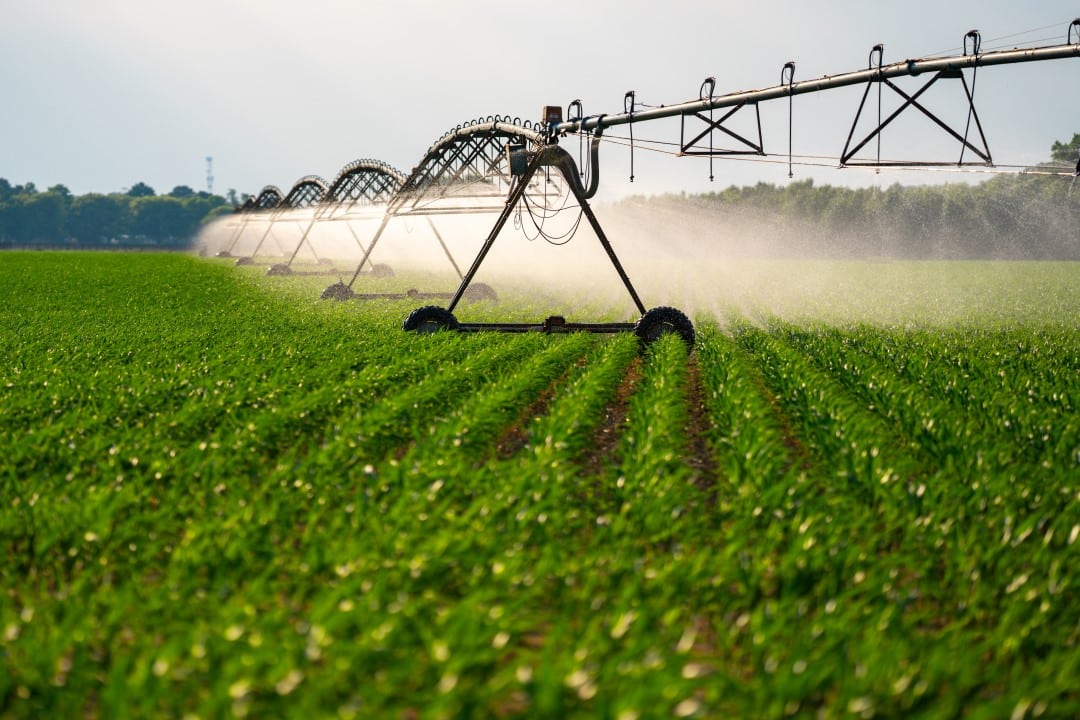
The integration of artificial intelligence (AI) in the agricultural sector is redefining farming practices and resource management on a global scale. Essa Technological transformation promises not only to optimize crop productivity and efficiency, but also to face crucial challenges such as food security and climate change. With the growing demand for food and pressure on ecosystems, AI-based solutions are emerging as indispensable tools for a more resilient and sustainable agricultural future.
The application of advanced algorithms and machine learning systems allows farmers to make more informed decisions based on accurate, real-time data. Desde From soil analysis to climate monitoring and plant disease detection, AI offers a level of detail and proactivity that was previously unattainable. Essa The ability to process vast amounts of information gives rural producers a significant competitive advantage, minimizing losses and maximizing income.

Precision in the field: optimizing resources and productivity
Precision agriculture, powered by artificial intelligence, represents a qualitative leap in the management of rural properties. Sensores intelligent devices installed in the soil and on agricultural equipment collect continuous data on humidity, nutrients, temperature and pH, providing a detailed overview of the conditions of each portion of the crop. Essa Granularity allows the targeted application of water, fertilizers and pesticides, substantially reducing waste and operating costs.
Furthermore, AI is capable of analyzing historical climate patterns and weather forecasts to anticipate periods of drought or excess rainfall, assisting in planting and harvest planning. The systems can recommend the best crop varieties for each type of soil and climate, as well as the ideal time for each intervention, ensuring maximum use of natural resources. Optimization extends to logistics, with AI planning more efficient routes for machines and vehicles, saving fuel and time.
Drones and robotics: the advancement of agricultural automation
The rise of drones equipped with multispectral cameras and autonomous robots is changing the dynamics of work in the field. Drones fly over large areas, capturing high-resolution images that, processed by AI algorithms, reveal crucial information about plant health, pest outbreaks and nutritional deficiencies. Essa Aerial monitoring capacity allows for quick and localized intervention, avoiding the spread of problems and the need for widespread spraying.
Agricultural robots, in turn, are being developed to perform repetitive and high-precision tasks, such as planting, weeding and harvesting. Alguns models can now identify weeds and remove them selectively, without the use of herbicides, or harvest ripe fruits with the necessary delicacy so as not to damage them. Automation reduces dependence on intensive labor, which is often scarce in rural areas, and improves worker safety when taking on hazardous activities.
Predictive analysis and intelligent pest management
One of the biggest benefits of artificial intelligence in agriculture is its ability to predict and manage threats such as pests and diseases. By analyzing historical data, weather conditions and field images, AI systems can identify the first signs of infestation or infection, long before a human eye can perceive them. Essa Early detection is vital to avoid significant production losses.
AI predictive models can, for example, correlate increased humidity with the proliferation of certain fungi or high temperature with the hatching of insect eggs. Based on these analyses, farmers receive specific alerts and recommendations on the most effective preventive or corrective measures. Isso not only protects crops, but also minimizes the use of pesticides, contributing to cleaner and healthier agriculture. AI can even suggest the exact type and dosage of pesticide, ensuring the effectiveness of the treatment with the lowest environmental impact.
Challenges and barriers to large-scale adoption
Despite the vast potential, the implementation of artificial intelligence in agriculture faces several challenges. The initial cost of investing in technology, such as sensors, drones and autonomous machinery, can be prohibitive for small and medium-sized producers, especially in regions with lower purchasing power. The lack of connectivity infrastructure in rural areas, such as limited access to high-speed internet, also makes it difficult to collect and process real-time data, which is essential for AI systems to function efficiently.
Another significant barrier is the need for capacity building and training. Muitos Farmers do not have the technical knowledge necessary to operate and interpret the information generated by these technologies. It is critical to develop education and support programs to ensure that the transition to digital agriculture is inclusive and accessible to all producers, regardless of their level of education or familiarity with technology. The privacy and security of agricultural data are also growing concerns, requiring clear regulations and robust platforms to protect producer information.
Economic and social impact on the production chain
The adoption of artificial intelligence in the field is not just restricted to the farm, but will reverberate throughout the entire production chain, generating profound economic and social impacts. Economicamente, an increase in profitability is expected for farmers who are able to implement these technologies, due to cost reduction and increased productivity. Isso can lead to greater competitiveness of agricultural products on the global market and the stabilization of food prices. However, the concentration of technology can generate disparities between large and small producers, requiring public policies that promote equity.
Socially, AI can transform the profile of rural work. Embora can reduce the need for labor for manual tasks, it will create demand for professionals with new skills, such as digital agronomy technicians, drone operators and agricultural data analysts. Essa Change requires a restructuring of professional training in the sector. Além Furthermore, improving the quality and quantity of food produced, with less use of chemicals, can have a positive impact on public health and global food security, making food systems more robust and less vulnerable to crises.
Sustainability and the future of global food
Artificial intelligence plays a key role in promoting more sustainable agricultural practices. By optimizing the use of water, fertilizers and pesticides, it minimizes the environmental impact of agriculture, reducing soil and water pollution. The ability to monitor plant health and identify problems early also reduces the need for aggressive interventions, favoring biodiversity and the health of agricultural ecosystems.
AI contributes to climate change mitigation by enabling more carbon-efficient agriculture, with lower greenhouse gas emissions from excessive use of machinery and inputs. At the same time, optimizing production can help feed a growing world population more efficiently while reducing food waste. In short, artificial intelligence is not just a tool to increase productivity, but an essential pillar for building a future where food is abundant, safe and ecologically responsible for everyone.
