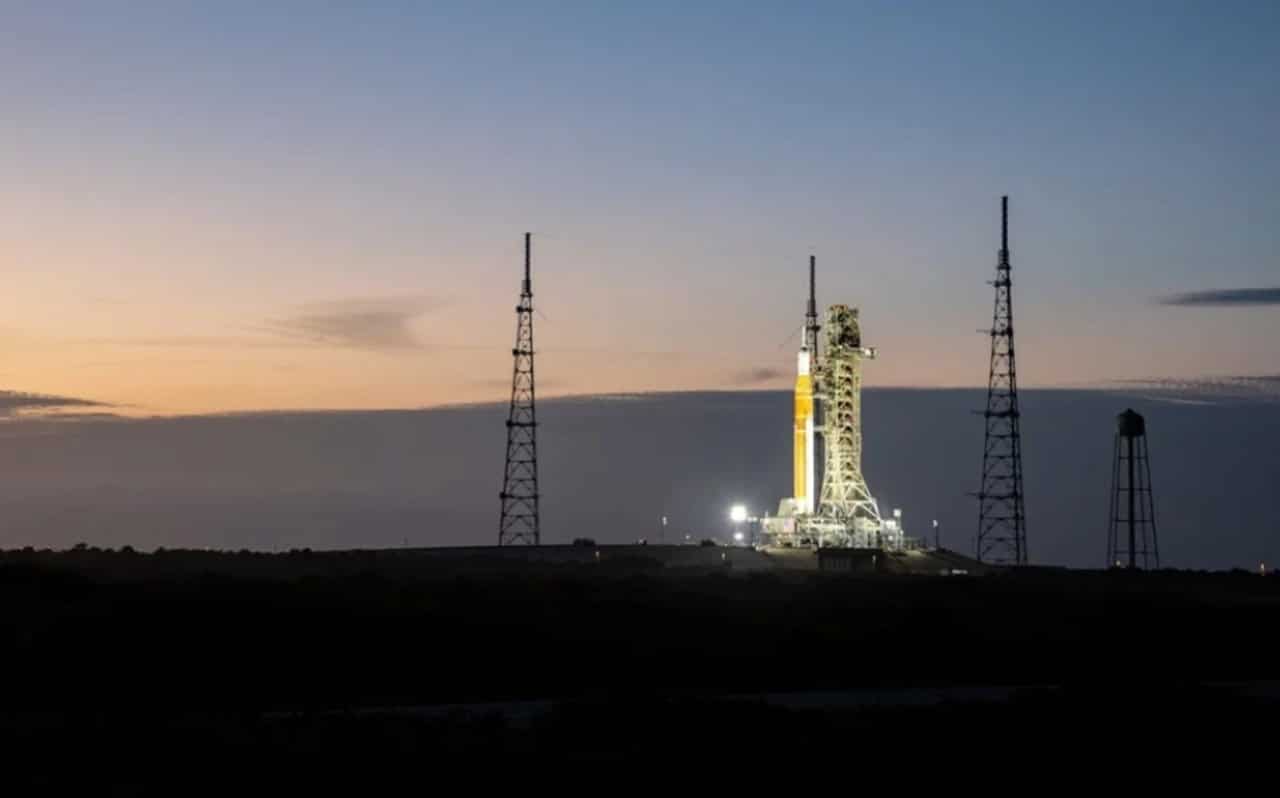
NASA’s Artemis 2 mission successfully completed the first crewed flight around Lua in more than half a century. Spacecraft Orion, with four astronauts on board, bypassed the far side of the satellite and set a new Terra distance record for humans in spaceflight. The launch took place on April 1, 2026 from Centro Kennedy, at Flórida, and the return to Terra is scheduled for this Friday, April 10, with splashdown at Oceano Pacífico near the coast of San Diego.
This step prepares the ground for Artemis 4, planned for 2028, when astronauts are expected to land again on the lunar surface. The North American advance occurs in parallel with the Chinese program, which maintains the objective of sending taikonauts to Lua by 2030. The success of the mission reinforces the competitive dynamics in deep space between the two powers.
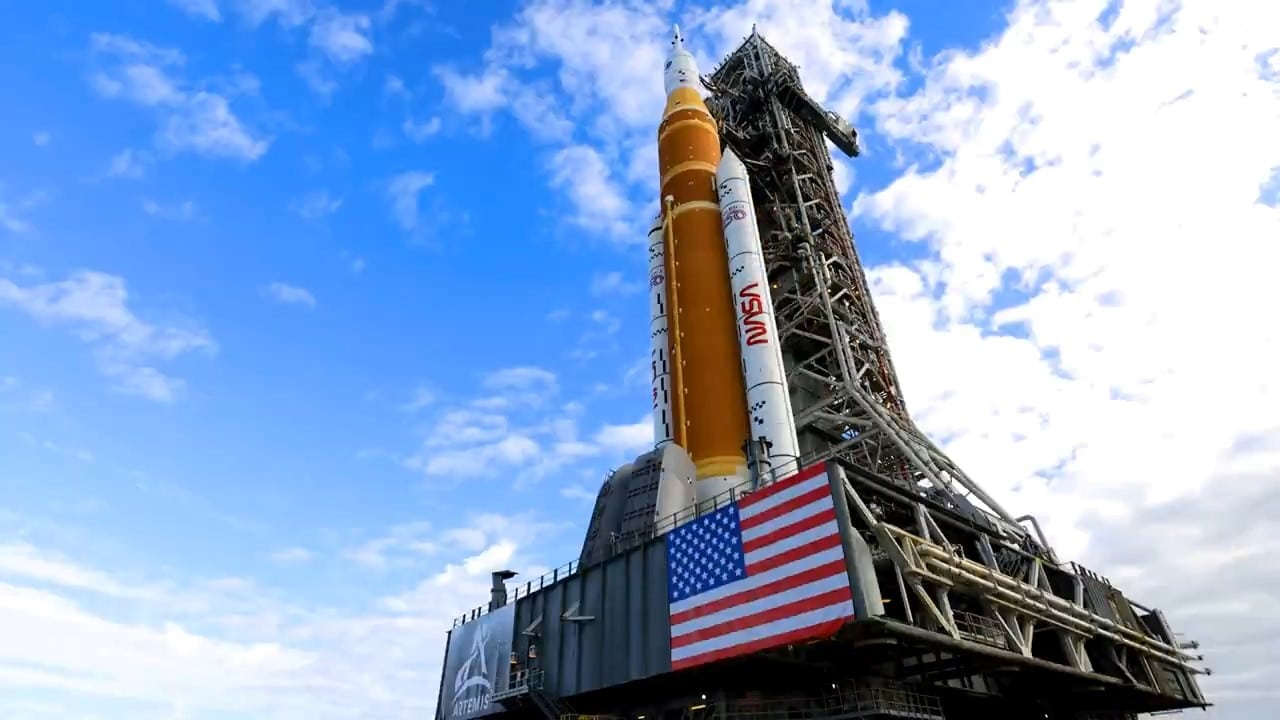
Orion breakthrough and distance record
The international crew, made up of astronauts from NASA and the Canadian space agency, carried out observations and systems tests along the way. Orion surpassed the historic mark set by Apollo 13, traveling further from Terra than any previous manned mission. The data collected during the flight directly contributes to the development of technologies necessary for long-term exploration.
The astronauts performed precise maneuvers and monitored the capsule’s performance in a deep space environment. Esse set of operations validated critical navigation, communications and life support capabilities for future crewed lunar missions.
- Testing long-distance communication systems
- Monitoring radiation and thermal conditions
- Performance evaluation of Orion in lunar orbit
Chinese strategy for manned landing
China develops its own architecture for the lunar landing, with rockets Long March-10, the manned spacecraft Mengzhou and the landing module Lanyue. The plan envisages two separate launches, with docking in lunar orbit before the descent of two taikonauts to the surface. Essa approach seeks to ensure security and redundancy in complex operations.
Previous robotic missions, such as Chang’e-5 and Chang’e-6, brought back samples of lunar soil, including from the far side, and accumulated experience in communications, rendezvous and docking. Esses Technical milestones serve as a solid foundation for the ongoing manned program.
Preparations and tests on China
Chinese engineers intensify testing of spacesuits and life support systems at facilities such as Ilha and Hainan. Experimentos recently validated emergency escape mechanisms, with correct separation from the return capsule. The remote operations capability already demonstrated in unmanned missions strengthens confidence in the established schedule.
The Asian country also plans Chang’e-7 for the second half of 2026, with a focus on exploring the lunar south pole in search of water ice and other resources. Essa robotic mission will include orbiter, lander, rover and a flying mini-drone to map permanently shadowed craters.
Competition for permanent presence
Both programs target Lua’s south pole, a region rich in water ice that can be converted into propellant and oxygen to sustain bases. Os Estados Unidos leads Acordos of Artemis, while China advances Estação Internacional of Pesquisa Lunar in partnership with Rússia. The dispute involves not only the first landing, but the ability to maintain continuous human operations on the satellite.
Experts highlight that the real challenge lies in building sustainable infrastructure, including nuclear power reactors and on-site resource utilization systems. China demonstrates consistent progress in rocket, spacecraft and docking technologies, essential elements for long-stay missions.
Development of Chinese technologies
The Chinese space program benefits from stable investments and an incremental approach, with often conservative deadlines to ensure success. Empresas Private rocket companies complement state efforts and accelerate component development. Testes on the ground and in flight progressively validate the systems that will be used in the manned mission.
Mengzhou and Lanyue need to demonstrate reliable docking in lunar orbit, an operation that requires extreme precision. Dois taikonauts would descend for scientific collection and return, with the remainder of the crew remaining on the main ship. Essa configuration reflects lessons learned from successful robotic missions.
Context of the new space race
Artemis 2 represents the return of humans to deep space after decades, with a focus on sustainability and scientific exploration. The mission tests elements that will be fundamental to establishing a regular human presence at Lua. Paralelamente, China maintains its own pace, prioritizing technological autonomy and selective partnerships.
Both nations recognize the strategic value of lunar resources and the geographic position of the South Pole. The ice present in craters can enable fuel production and support future expeditions, including towards Marte. The advance of Orion this week intensifies the debate about timelines and capabilities on a global scale.
Next steps in programs
NASA uses Artemis 2 data to refine Artemis 4 plans, with an emphasis on landing systems and spacesuits. China, in turn, prepares Chang’e-7 and Chang’e-8 to validate resource extraction technologies before manned flight. Esses Parallel efforts define the landscape of lunar exploration in the coming decades.
Orion’s technical success reinforces the feasibility of manned flights beyond Terra’s low orbit. Na China the focus remains on the safe integration of all elements of the lunar system. Analistas closely monitor how each side manages deadlines and technical challenges in an environment of strategic competition.
