Postponement of the Fla-Flu classic to Sunday generates outrage among fans and changes planning at Maracanã
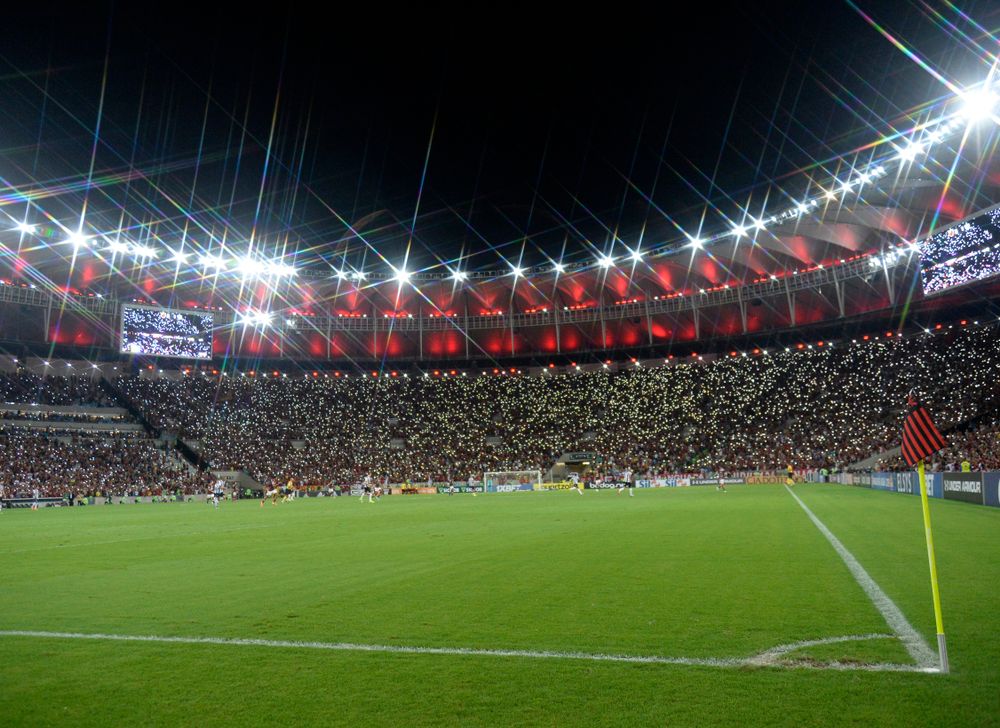
The official change in the national tournament table transferred the clash between Fluminense and Flamengo to Sunday, at 6pm, on Estádio of Maracanã. The clash, initially scheduled for Saturday afternoon, underwent a logistical readjustment following a formal request evaluated by football organizing bodies. The date change generated an immediate response in the virtual and physical stands, changing the dynamics of both teams’ preparation for the state classic and requiring new public safety plans.
Upon confirmation of the new schedule, Tricolor fans expressed strong dissatisfaction with the stance adopted by the club’s board of directors at Laranjeiras. The acceptance of the postponement was interpreted by fans as facilitating the rival’s planning, which was facing difficulties with the travel schedule. The central discontent lies in the disruption of the previous schedule of thousands of people who had already purchased tickets and organized their trips for Saturday afternoon.
To understand the changing scenario, some operational points defined the new match logistics established by the organizers:
– Kick-off will take place on Sunday at 6pm local time.
– The red and black delegation arrived at Rio and Janeiro only on Friday night.
– The rest time between arrival and the original game was less than twenty-four hours.
– Polícia Militar confirmed the safety feasibility for the new event day.
The trigger for the request for postponement occurred precisely due to the delay in the return of the Flamengo cast from their previous commitment. With the late arrival on Friday, holding the classic on Saturday would compromise the minimum physical recovery time required by sporting protocols, forcing the intervention of the sport’s highest entity to readjust the table and avoid risks to the health of the professionals involved.
Behind the scenes of negotiations between Rio de Janeiro directors
The administrative leadership of Fluminense chose not to create a legal dispute and accepted the proposed agreement for the transfer of the match. The directors assessed that an intransigent stance would not bring practical benefits, since the final prerogative over the calendar belongs to the tournament organizers, who have veto power over the schedules.
Internally, the Tricolor legal department analyzed the general competition regulations, which provide for modifications in cases of force majeure. The formal refusal of the host club could easily be overturned by an injunction based on preserving the physical integrity of the athletes, making the institutional protest ineffective before the sports courts.
Physical assessment and wear of the squad led by Leonardo Jardim
The decision to accept the change found direct support in reports issued by the physiology department of Fluminense. The data collected during the week indicated that fundamental parts of the tactical scheme had high levels of muscular fatigue, increasing the risk of serious injuries if they took to the field on Saturday.
Coach Leonardo Jardim used the extra day granted by the postponement to focus on the active recovery of his starters. The technical committee understood that the physical gain would compensate for the political strain generated among the fans, prioritizing maximum strength on the Maracanã pitch to seek the three fundamental points on the leaderboard.
Positioning of security authorities and broadcast holders
The transfer of the classic required quick coordination with Polícia Militar, responsible for patrolling the stadium’s surroundings and escorting the delegations. The battalion specialized in sporting events issued a favorable opinion, guaranteeing the necessary personnel for Sunday night, reallocating policing from other areas of the city.
The broadcasters that hold the broadcasting rights also had to readjust their weekend programming schedules. Changing a game with great commercial appeal to Sunday in the late afternoon meets audience standards established by television networks, facilitating approval of the new schedule.
Without the unanimous agreement of these external agents, the continuation of the match on Saturday would become unsustainable from an operational point of view. Fluminense avoided taking the risk of administrative sanctions if it insisted on a date without the full support of public security and television, which could have resulted in severe fines.
Repercussion on social media and demands on the football department
The digital environment became the main stage for demands directed at the president and football directors of Fluminense. Fóruns discussion and organized fan pages were flooded with criticism of the institution’s supposed passivity in the face of the red-black request, generating a climate of tension behind the scenes.
The main complaint from fan members involves the personal logistics to attend Maracanã on Sunday at 6pm. Muitos argue that the time makes it difficult to return home, especially for those who depend on public transport and have professional commitments on Monday morning, partially emptying the popular sector.
For the most radical wing of the fans, the club wasted an opportunity to impose its control on the field and force its rival to play under conditions of extreme fatigue. The general perception in the stands is that Fluminense gave up a clear competitive advantage, prioritizing a good relationship with the federation to the detriment of the sport.
In an indirect response to criticism, board members maintain that the decision was strictly technical and based on scientific data. The club tries to detach the image of submission, focusing on the narrative that the postponement was a strategic choice to improve the team’s performance in the championship.
Tactical adjustments and preparation at the tricolor training center
With the new schedule established, Fluminense closed the gates of its training center to make fine adjustments to defensive positioning and offensive transitions. Coach Leonardo Jardim took advantage of the additional hours to test variations in the midfield, seeking to exploit the opponent’s likely lack of interaction, who only managed to carry out one collective training session before the clash. The strategy designed aims to maintain possession of the ball and dictate the pace of the game from the opening minutes, forcing physical exhaustion on the opposing team who are still dealing with the logistical effects of the week.
Away from off-field controversies, the tricolor squad leaders held internal meetings to ensure full focus on the four lines and avoid distractions. The guidance of the technical committee is to isolate the group from sports news and the pressure exerted by fans on social media, maintaining concentration on tactical execution. The players understand the need to deliver a positive result to calm tempers, transforming external indignation into motivation to seek victory in the most rivalry state classic, proving that the extra training time was well used.
Opponent logistics and direct impact on sporting performance
The logistics faced by Flamengo in the hours leading up to the classic became the central point of all the controversy surrounding the change in the game schedule. The disembarkation of the red and black delegation no. Rio of Janeiro took place late on Friday night, which would leave the athletes with less than twenty hours for rest, adequate nutrition and concentration if the game was held on Saturday afternoon. Fisiologistas athletes point out that this interval is absolutely insufficient for the elimination of accumulated lactic acid and for the recovery of muscle fibers after long journeys, which would inevitably result in a sudden drop in performance and an imminent risk of serious joint injuries. By gaining an additional twenty-four hours of break, the opponent is able to comply with basic sleep cycles and carry out complete cryotherapy sessions, balancing physical strength for the fight. On the other hand, Fluminense loses the initial logistical advantage it held, but ensures that its own players, who also come from an intense marathon of regular season commitments, enter the field at the peak of their physical conditions, raising the technical level of the show in Maracanã and guaranteeing a dispute based on tactical quality, and not just the physical exhaustion of the squads.
Public expectations and organization for the state clash
Despite all the turbulence generated by the date change, the event organizers are projecting a Maracanã with a large public presence for the classic. Ticket sales continue to be active at physical and virtual points, and the turnstiles and access scheme has been completely reprogrammed to ensure the flow of fans at the new time established for kickoff.
