US Navy confirms inactivation of USS Boise submarine after 11 years and $1.6 billion
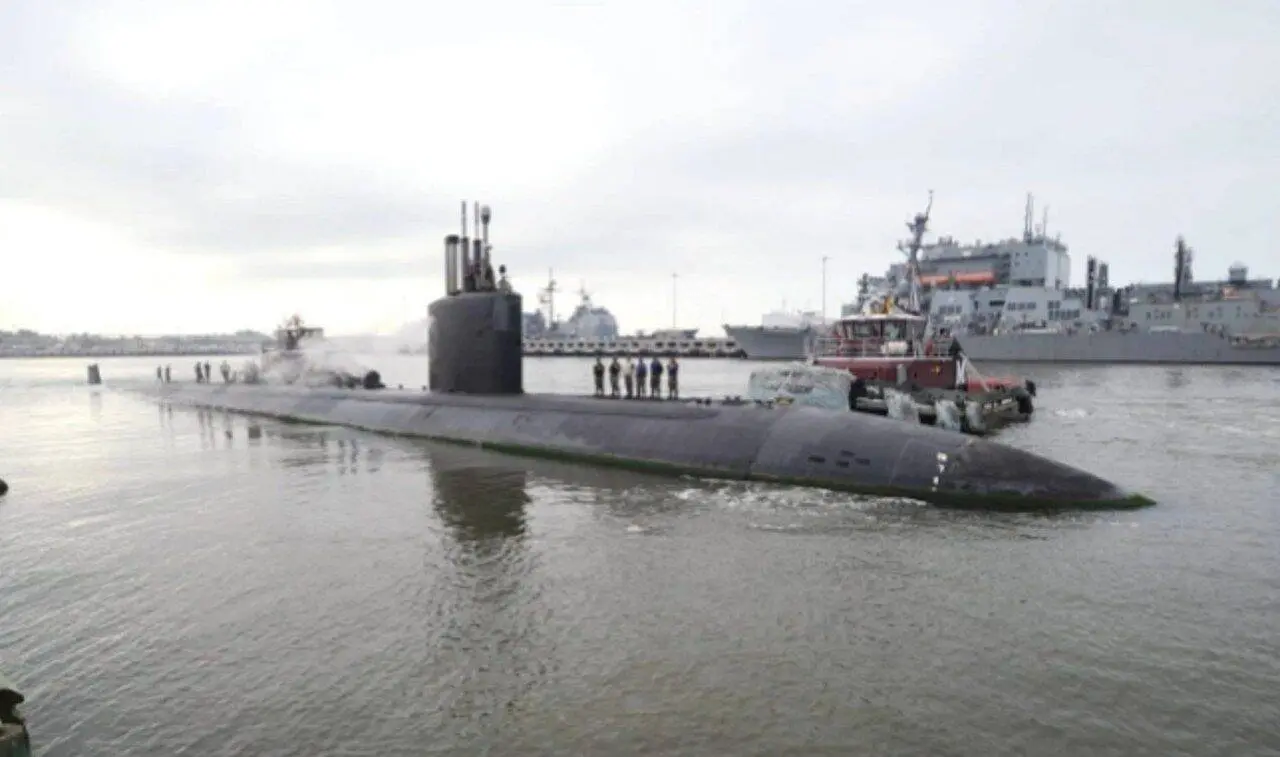
Marinha of Estados Unidos announced the inactivation of one of its Los Angeles-class nuclear attack submarines, USS Boise (SSN-764), after more than a decade awaiting a critical overhaul and substantial investment. The decision was communicated last Friday, marking a strategic reorientation of resources and workforce towards priorities considered most critical within the fleet and in the construction of new vessels. The submarine, which has had a long history of maintenance delays, represents a symbol of the challenges facing the country’s naval industrial base.
The vessel, despite being relatively young within its class, was decommissioned at a time when Marinha seeks to optimize its operations and ensure the readiness of its submarine capacity. Este strategic movement aims to maximize the efficiency of investments and human capital, focusing on projects that promise greater operational return and longevity for national defense. The news highlights the complexity of managing high-technology assets and the balance between cost, time and strategic priorities.
Inactivation occurs after a series of failed repair attempts and a significant accumulated cost. Marinha justified the decision based on the assessment that the resources needed to complete the repair of Boise would be better used in other areas, aiming to strengthen the fleet’s global capacity in the face of modern demands.
History of maintenance delays
USS Boise (SSN-764) has been scheduled for regular overhaul since fiscal 2016, but has remained docked for years, awaiting a vacancy in the naval shipyards. In 2017, the 34-year-old submarine lost its diving certification, a critical milestone that made it unable to operate. Over the years, the ship was towed between Estaleiro Naval of Norfolk, in Virgínia, and the HII shipyard Newport News Shipbuilding, in the same state. In 2024, Marinha awarded a $1.2 billion contract to HII for the work, bringing the total investment in the submarine to approximately $1.6 billion. Contudo, eleven years after the beginning of its long wait, inactivation has become the priority choice for Marinha.
The bottleneck of the maritime defense industry
The USS Boise situation is a reflection of the persistent submarine maintenance bottleneck affecting Marinha’s four public shipyards. Esses shipyards prioritize the maintenance of ballistic missile submarines, aircraft carriers and, ultimately, attack submarines. A 2021 report by Congressional Budget Office (CBO) identified that delays are due to increasingly long maintenance periods and a shortage of skilled workers in public shipyards.
CBO investigations revealed that:
These delays resulted in missed or shortened missions, reducing the number of submarines available to Marinha and keeping expensive ships and their crews idle.
Involvement of private shipyards and their costs
Marinha has sought the assistance of private shipyards, such as HII Newport News and General Dynamics Electric Boat, in Connecticut, to take on maintenance in addition to the construction of new submarines. Este The effort aims to alleviate pressure on public shipyards and speed up the return of vessels to the fleet. However, work carried out in private shipyards generally carries higher costs.
An example of this was the overhaul of USS Montpelier (SSN-765) by GD Electric Boat, completed in 2019 after three years of work. The company was also awarded a contract in 2022 to repair USS Hartford (SSN-768), a project that is still ongoing. Shipyard Newport News Shipbuilding, in turn, was responsible for USS Helena (SSN-725), delivered in 2022, and is currently working on USS Columbus (SSN-762). Hiring workers for repairs at private shipyards requires a different skill set than those involved in building new submarines, which contributes to complexity and costs.
The new funding allocation strategy
Almirante Daryl Caudle, Chefe of Operações Navais, highlighted that the decision to inactivate USS Boise is a “strategic move” that allows it to reallocate the Estados Unidos’s highly qualified workforce to top priorities. Entre these priorities are the delivery of new submarines of the Virginia and Columbia classes, considered crucial for the modernization of the fleet. The redirection of these funds and personnel is primarily intended to improve the overall readiness of the current fleet.
Marinha confirmed in a statement that “funds and personnel associated with the planned overhaul of USS Boise will be redirected to support Marinha’s other priorities, including the timely delivery of América’s submarine capability.” Essa measure underlines the urgency of strengthening the naval base and ensuring that limited resources are used as effectively as possible. Almirante Caudle had already mentioned in a hearing at Congresso, the previous year, that Marinha was considering giving up on Boise, indicating that the decision was not taken hastily.
Consequences for submarine capacity
The inactivation of USS Boise has direct consequences for the operational capacity of Marinha and the planning of its submarine fleet. Long waits for maintenance and delays in completing repairs directly impact the number of submarines available for deployment. The lack of availability of modern, fully functioning ships could compromise Marinha’s ability to respond to global threats and maintain a strategic presence in critical regions.
This scenario not only immobilizes expensive vessels, but also results in highly trained crews being idle. Marinha needs a robust fleet ready to face the challenges of a constantly evolving security environment. Portanto, the redirection of resources is seen as a necessary step to ensure that newer, more vital submarines receive the attention and repairs they need to remain operational.
Expert analysis of the decision
Bryan Clark, Hudson Institute’s naval analyst, commented on the submarine’s inactivation, calling it a “sad statement about Marinha’s industrial base.” Clark highlighted that, despite being painful, the decision is “the right choice”, evaluating that “the juice is not worth squeezing”, in reference to the cost-benefit of continuing to invest in the repair of a submarine that has been inactive for so long. Sua Analysis points to the importance of focusing on projects that can contribute in a more significant and sustainable way to the fleet.
Clark also highlighted the difference between repair workers and new construction workers, explaining that “the same humans who are repairing Boise are not the same humans who are going to build new submarines.” Esta distinction is crucial to understanding the complexity of workforce allocation and the need for specialization in each segment of the shipping industry. The decision reflects the priority of ensuring that submarines that can remain in the fleet longer receive the appropriate level of resources and attention.
Continuous efforts to optimize operations
Despite persistent challenges in the naval industrial base, the U.S. Marinha has implemented efforts to improve the workforce and schedules at public and private shipyards. Essas initiatives seek to increase efficiency and reduce downtime, ensuring that more submarines are available for their missions. However, as noted by experts, fundamental problems affecting maintainability continue to require attention and long-term solutions to strengthen the country’s defense infrastructure.
