
The global mobile device market is seeing a change in the way companies develop their image capture systems. High-end cell phone manufacturers direct their engineering resources towards the integration of artificial intelligence algorithms and advanced optical approximation mechanisms. The isolated megapixel count is no longer the only decision factor for consumers when purchasing new equipment. Technical assessment now requires observation of physical elements such as lens aperture, sensor size and the efficiency of optical image stabilization. Computational photography plays a central role in file processing, acting directly to reduce visual noise in low-light environments.
The rear of modern devices houses a set of lenses with specific functions for different usage scenarios. The current industry standard involves combining wide-angle, ultra-wide-angle and telephoto cameras in a single module. The device’s software processes the information captured by each lens simultaneously to deliver a final file with greater clarity and color fidelity. The operating system manages the transition between focal lengths without the user noticing the physical change of hardware when recording a video or capturing a photograph.

The role of image processing in modern devices
The final quality of a photograph depends on direct communication between the camera hardware and the smartphone’s main processor. Companies develop chips dedicated exclusively to image processing, capable of performing trillions of mathematical operations in a fraction of a second. Esse Processing power allows real-time corrections to be applied before the user even presses the capture button. The technology evaluates the scene, identifies faces, adjusts exposure and balances areas of shadow and light.
Physical and logical components work together to ensure accurate results:

– Sensores image with enlarged dimensions captures a greater amount of natural light in dark places.
– Mecanismos optical stabilization compensates for hand tremors through physical lens movements.
– Algoritmos of machine learning reconstructs textures and details that would be lost in file compression.
Video recording also benefits from this continuous processing architecture. The devices can keep the focus locked on fast-moving objects, adjusting the frame rate according to the needs of the scene. High-resolution capture requires an efficient heat dissipation system, as prolonged use of the camera increases the internal temperature of the mobile device.
Inovações from Huawei and the arrival of the iPhone 17 Pro
The Huawei implements on Pura 80 Ultra a 50-megapixel main sensor with an inch in physical size. The retractable lens mechanism allows mechanical adjustment that results in a variable optical approximation between 3.7 and 9.4 times. The Ultra Lightning HDR system processes a large number of color channels to maintain brightness and contrast in night photography. The device records videos in 4K resolution at 60 frames per second and has a 13 megapixel front camera with an expanded field of view.
The Apple equips the iPhone 17 Pro with three 48-megapixel sensors on the back of the device. The Fusion system manages the transition between lenses and offers an optical approximation of up to 8 times without loss of quality. The LiDAR scanner works in conjunction with Smart HDR 5 technology to accelerate autofocus in dark environments. The front camera receives an upgrade to 18 megapixels, improving clarity in video calls. The equipment supports 4K recording at 120 frames per second in the Dolby Vision format and captures spatial videos compatible with the brand’s mixed reality glasses.
Avanços from Oppo and the partnership between Xiaomi and Leica
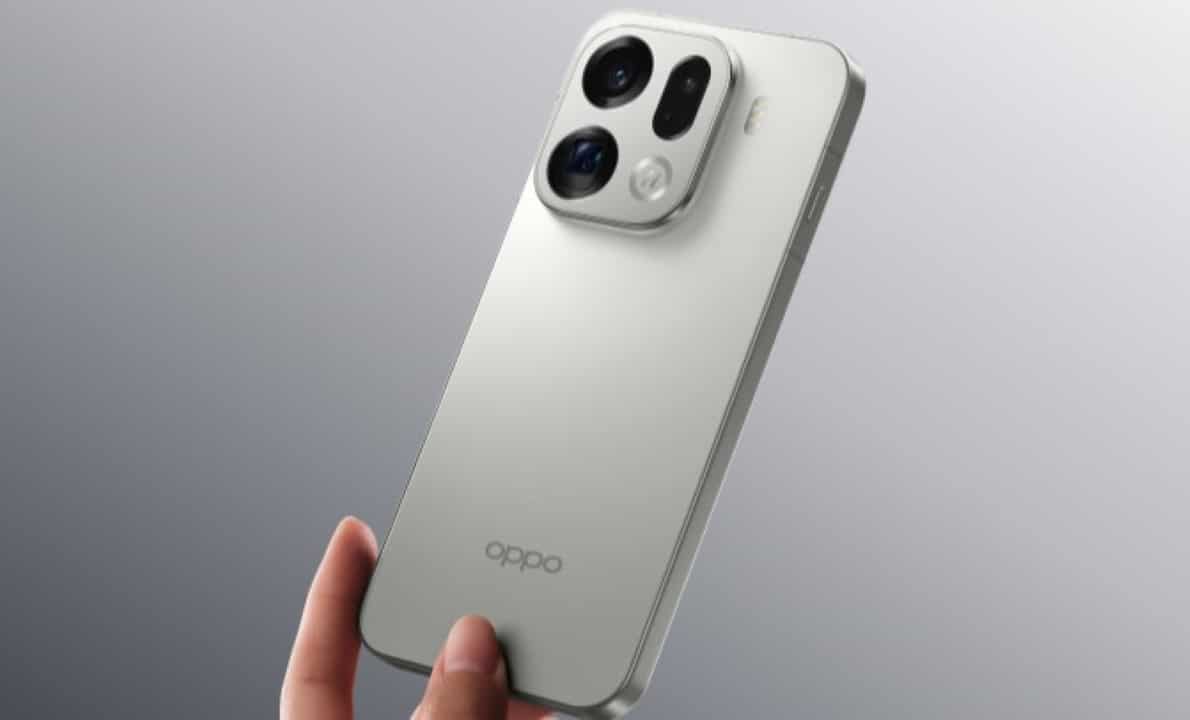
The Oppo features the Find X9 Pro with 50-megapixel main and ultra-wide-angle sensors, accompanied by a 200-megapixel telephoto lens. The optical design increases light input by 140% compared to the previous generation and uses the BT.2020 color standard to ensure the accuracy of captured tones. The approximation reaches 120 times with the help of image reconstruction algorithms. The cell phone records 4K videos at 120 frames per second and features a double stabilization system to eliminate vibrations during walks.
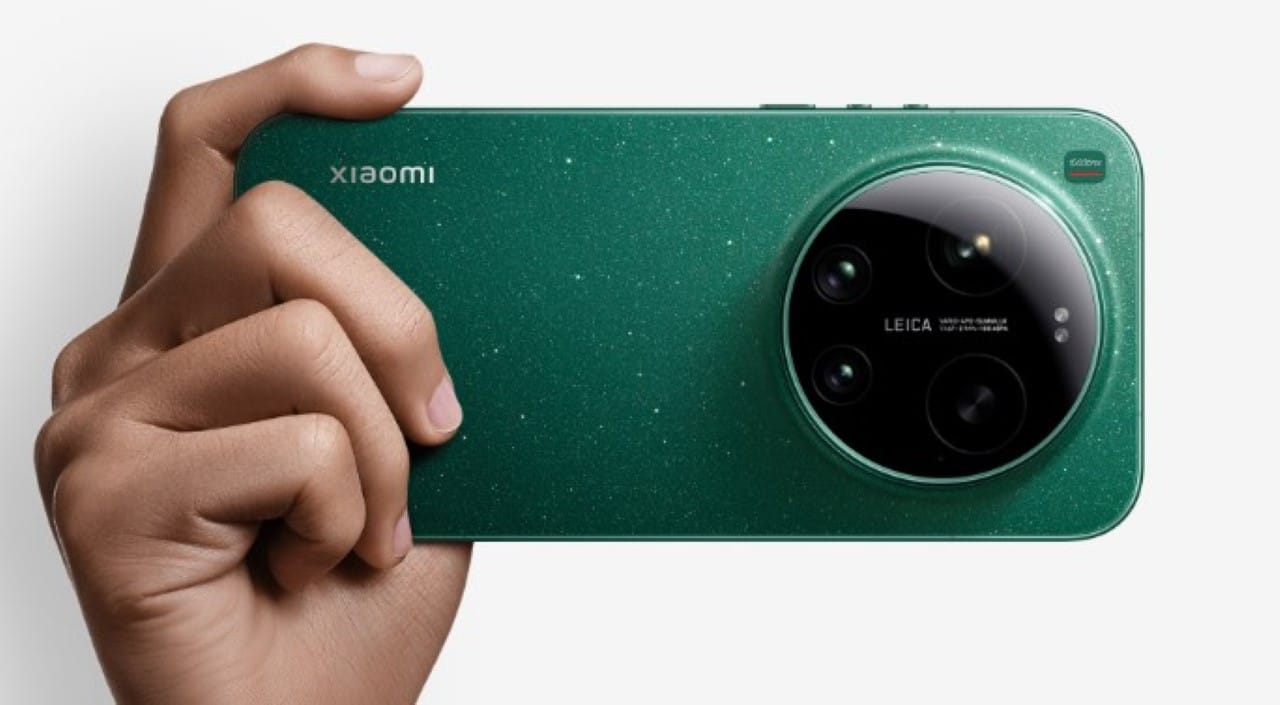
Xiaomi maintains its partnership with the German manufacturer Leica in developing the optical system of the Xiaomi 17 Ultra. The cell phone has a Light Fusion 1050L sensor and LOFIC HDR technology to manage contrast in scenes with strong backlighting. The physical structure of the lenses allows for an optical zoom of 17.2 times. The rear set has a 50-megapixel main camera and a 200-megapixel telephoto lens. Video recording reaches 8K resolution at 30 frames per second, offering specific color profiles for audiovisual productions.
Samsung and Motorola bet on very high resolution lenses
Motorola introduces the model Signature with four 50 megapixel lenses manufactured by Sony. The system offers 3x optical zoom and a digital zoom that reaches the 100x mark. The device supports video recording in 8K resolution and features native tools for capturing images in RAW format. The camera’s software includes specific modes for astrophotography and long exposure, allowing the recording of light trails on highways and the movement of stars.

Samsung updates its main line with the Galaxy S26 Ultra, which features a 50 megapixel ultra-wide lens and two 200 megapixel telephoto lenses. The ProVisual engine applies real-time corrections to images, analyzing the geometry of framed objects. Feature Space Zoom combines optical lens stabilization with digital processing to achieve extreme approximations with as little distortion as possible. The device maintains the ability to record simultaneous videos with the rear and front cameras.
The impact of new technologies on intermediate models
Devices in lower categories adopt different strategies to deal with image capture and reduce production costs. Celulares intermediaries use digital cropping on 50 megapixel sensors to simulate the effect of a dedicated telephoto lens. The absence of specific hardware for approximation results in loss of geometric quality and increased grain in night photographs. The software tries to compensate for the lack of light by increasing the exposure time, which requires the user to keep their hands steady for longer.

High dynamic range technology works in these devices to balance the light and dark areas of the image, preventing the sky from turning completely white or faces from being darkened in sunlight. Night processing groups adjacent pixels to form larger light-catching points, artificially brightening the scene. Manufacturers adjust the algorithms of these models to prioritize sharpness in photos intended for social networks, where the platforms’ compression disguises the physical limitations of smaller sensors.

