Next Forza Horizon abandons Xbox One to focus on the graphical power of the current generation of consoles
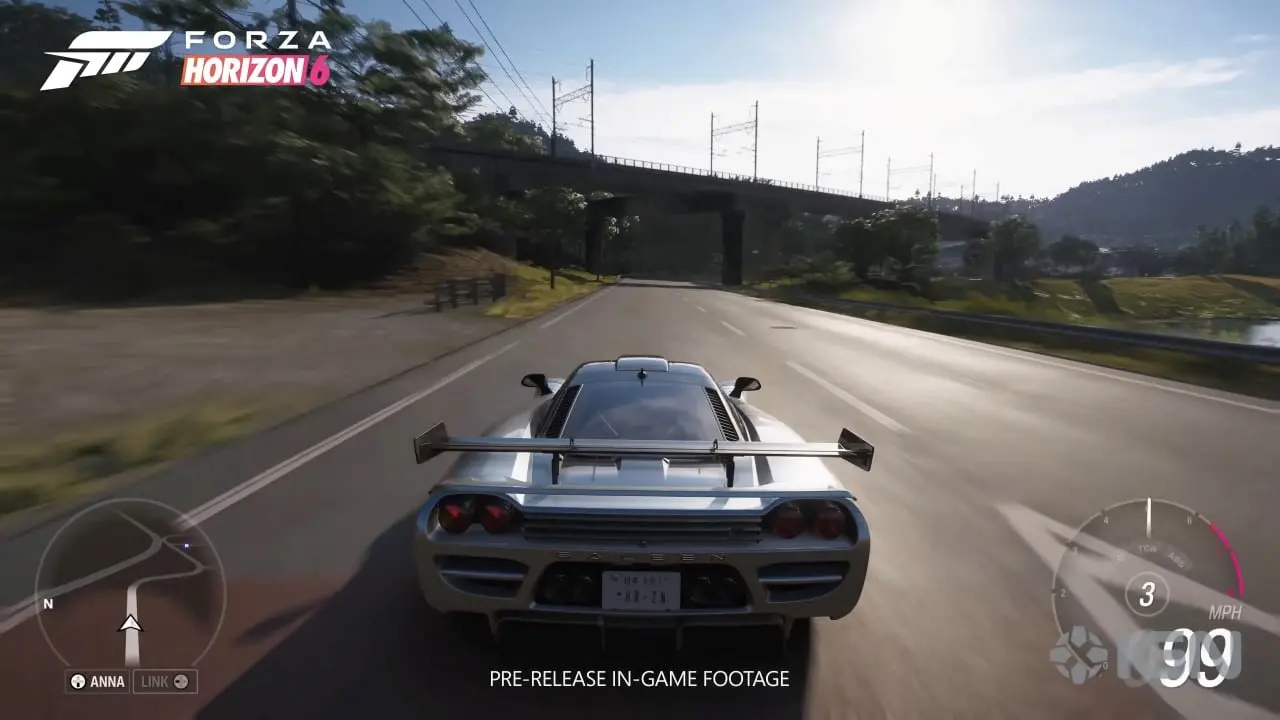
British developer Playground Games has announced a structural change in the development of the next title in the open-world racing series. The new game will not have versions compatible with the Xbox One console, originally released last decade. Production now concentrates all technical resources exclusively on the Xbox Series The move follows a trend in the video game industry to end support for old hardware. The focus on a modern architecture allows the application of technologies that the previous system would not support.
End of the era of transition between hardware generations
During the early years of the current video game cycle, the strategy of launching products simultaneously for different platforms dominated the digital entertainment market. The commercial practice guaranteed a greater audience reach and kept sales strong, taking advantage of the already established base of tens of millions of users. The technical requirement of making software run on devices with outdated specifications, however, created direct obstacles to innovation. Programmers needed to create different versions of the same virtual assets, which took considerable studio time and budget. The definitive transition marks the end of this adaptation period.
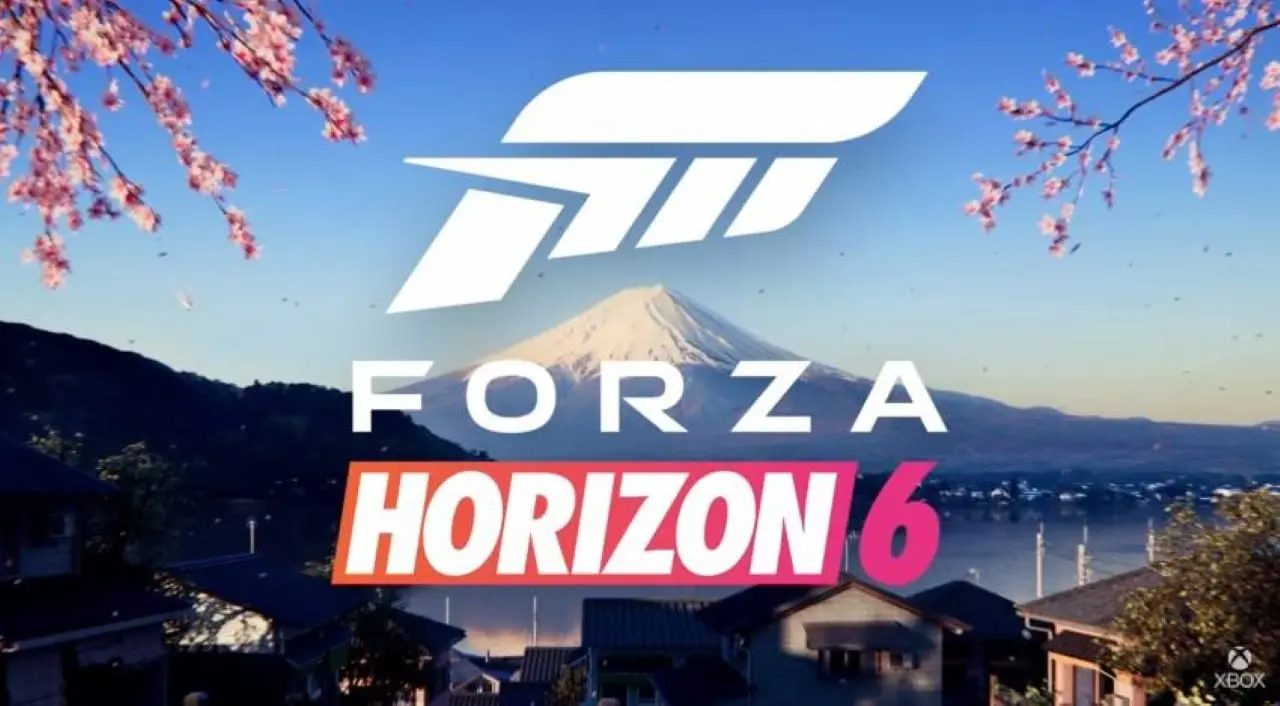
Maintaining compatibility with legacy machinery required significant compromises in the design of virtual worlds. RAM memory limitations and the lack of solid-state storage on the device forced the team to design scenarios with hidden corridors. Essas areas were used to mask the loading of heavy textures during player navigation. The density of on-screen elements such as vegetation, pedestrians and vehicle traffic also needed drastic reductions. By cutting ties with the previous platform, creators gain the freedom to fill the map with detail without compromising the fluidity of the image.
The developer’s internal workflow undergoes profound changes with the end of cross-generation support. Sem Due to the obligation to optimize the source code for multiple different configurations, engineers and digital artists direct their attention entirely to extracting performance from new devices. The change reduces the time spent on technical leveling adaptations. The time saved expands the window dedicated to creating new content for races and events on the map.
Technological and visual leaps in the new production
The transition to the Xbox Series X and Series S systems unlocks a set of advanced tools for the franchise’s programmers. The internal architecture of these devices was designed to eliminate data processing bottlenecks, allowing instant reading of heavy information. The scenario changes the way the user interacts with the virtual environment. Navigation through the map becomes continuous and free from long waiting screens, a recurring problem in the past generation.
Exclusivity in the current generation makes it possible to apply specific technical improvements to the game’s graphics engine. Innovations directly affect visual presentation and response to commands. Key advances include:
- Using real-time ray tracing for accurate reflections on car bodywork and puddles.
- Immediate loading of complex biomes via high-speed SSD storage.
- Stable frame refresh rate at high resolutions, ensuring fluidity during competitions.
- Improved physics for scene destruction and realistic tire behavior on different terrains.
The combined technical elements transform the visual perception of the racing simulator. The digital art team now uses three-dimensional models with a much higher polygon count. The result presents vehicles with identical proportions and details to their real-world counterparts. Global illumination undergoes drastic changes, with the day and night cycle affecting the visibility and behavior of shadows in a physically correct way in all corners of the map.
Changes to game mechanics and artificial intelligence
The change in focus directly affects game mechanics and artificial intelligence, going beyond purely aesthetic improvements. Superior processing power allows for the creation of much more complex dynamic weather systems. Tempestades sand, torrential rain or blizzards alter the track’s grip in real time, requiring immediate adaptation from those in control. The runners controlled by the computer receive elaborate behavior routines, reacting unpredictably to actions during the races.
The network infrastructure of the new devices facilitates the implementation of massive multiplayer modes integrated into the open world. Reduced latency and greater bandwidth enable dozens of vehicles to share the same virtual highway without connection bottlenecks. The studio plans to utilize this stability to create frequent and crowded live events. The map turns into a constant social meeting point for virtual motorsport enthusiasts.
Impact on the market and reaction from the gaming community
The announcement of exclusivity generated varied reactions on social networks and forums dedicated to electronic games. A portion of consumers who still use Xbox One expressed dissatisfaction with the impossibility of accessing the new chapter in the series. Most of the gaming community and technology analysts, however, received the news positively. The general understanding points out that the franchise needed a qualitative leap that was viable only by abandoning the technological constraints of the past.
Playground Games’s attitude signals a maturity in the life cycle of current consoles from a commercial point of view. With the gradual increase in sales of recent equipment, software companies feel greater financial security to direct production budgets exclusively to these platforms. The movement pressures undecided consumers to update their equipment. The technology industry sees the movement as a pattern that should be repeated in other major studios in the coming months.
Development focused on a single family of consoles speeds up the identification and correction of programming flaws. The quality control team can scan the map for visual errors more efficiently, without the need to test the code on machines with outdated architectures. Optimizing working time reflects the stability of the game on launch day. The dependence on major patch updates within the first few weeks of availability is significantly reduced with this focused approach.