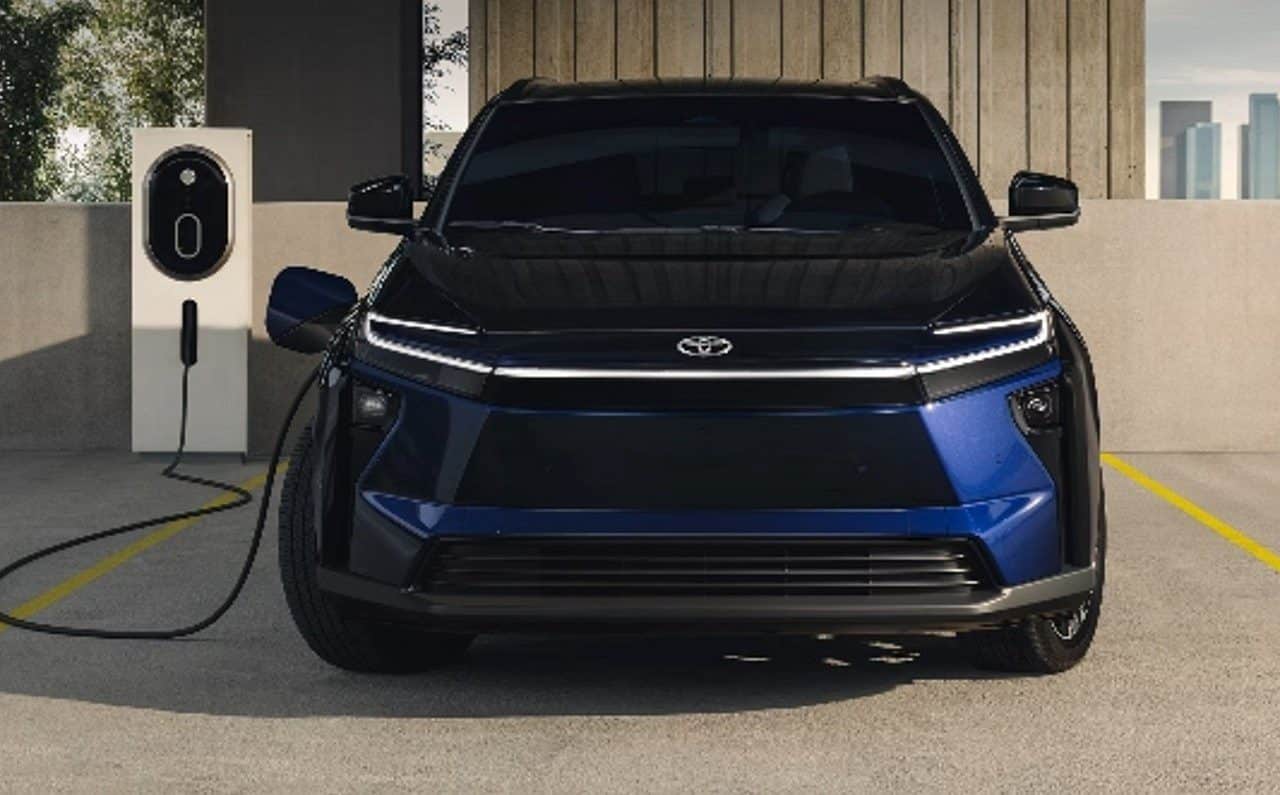
The Japanese automaker’s new electric sports utility vehicle achieved an unprecedented energy consumption milestone during rigorous test runs. XLE FWD model Plus averaged 8.69 kilometers per kilowatt-hour, equivalent to 5.4 miles per kWh, easily surpassing the previous category ceiling. The 74.7 kWh capacity battery guarantees an official autonomy projection that exceeds 500 kilometers in the combined test cycle.
The result demonstrates a significant technological leap compared to the previous generation of the same family of vehicles. The tests mainly took place in economical driving mode, simulating the daily use of a driver focused on maximizing the available load. Especialistas from the automotive sector point out that this thermal and electrical efficiency can deliver an even greater real range in favorable weather and traffic conditions. The advance places the manufacturer in a much more aggressive competitive position in the highly contested zero-emissions segment.
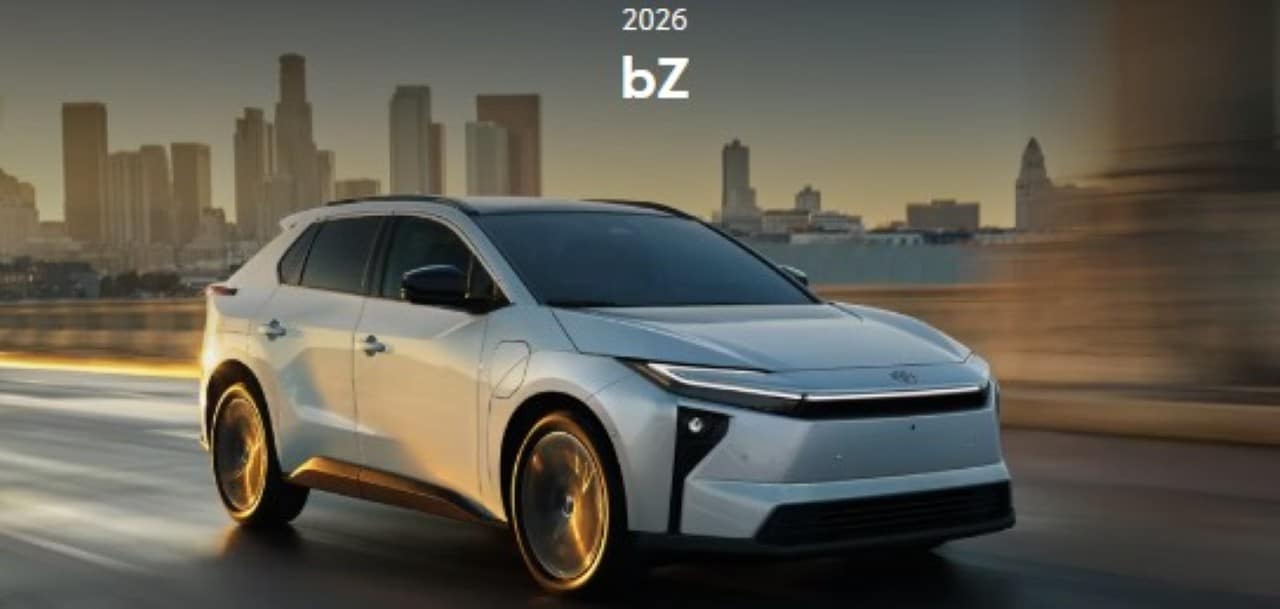
Energy performance and driving dynamics
The evaluation route covered 190 kilometers of urban and highway roads, creating a mixed scenario that reflects the standard behavior of contemporary consumers. Durante During this course, the average efficiency remained stable, breaking all the internal records of the independent team responsible for the measurement. Quando the vehicle was subjected to continuous long-distance stretches at cruising speed, consumption registered the mark of eight kilometers per kilowatt-hour. Já On short, urban routes, where regenerative braking acts more frequently to recover strength, peak efficiency jumped to an impressive 13 kilometers per kilowatt-hour. Esse Optimized battery usage represents a drastic evolution in the Asian brand’s engineering. Para For the purposes of direct comparison, the predecessor equipped with a 71.4 kWh component delivered less than half of that performance in the exact same track conditions. Essa Technical difference allows the driver to travel considerably longer distances without the need for frequent stops to refuel. Improved thermal management of the powertrain prevents wasted energy in the form of heat, intelligently directing power to the drive wheels.
The speed of energy recovery in common residential sockets showed a slight improvement, delivering around 5.2 kilometers of autonomy per hour connected. Apesar of this specific advance, level one loading still lags behind some direct competitors in the international market. Engenheiros and reviewers strongly recommend installing level two wall-mounted equipment in garages to ensure complete and convenient overnight recharging.
Financial impact and market repositioning
The commercial strategy for the new utility involves an aggressive reduction in the price list, responding to the price war in the electricity sector. The tested version arrives at dealerships with a suggested starting price of US$37,900.00, a significant cut compared to the US$43,070.00 charged for the equivalent configuration from the previous year. Esse tactical movement seeks to popularize access to battery-powered compact utility vehicles, attracting buyers who previously faced the barrier of acquisition cost. The lower price of the final product did not compromise the delivery of standard equipment, showing a gain in scale in the automaker’s assembly line.
The monthly operating cost also emerges as a decisive attraction for the conversion of new customers looking to escape the oscillation of fossil fuels. Considerando the average residential electric rate at Estados Unidos, a full charge requires paying just US$13.48. Esse level of savings transforms the model into a highly viable tool for daily commuting between home and work.
- Starting price reduced to US$37,900.00 for the entry-level version tested.
- Estimated cost of US$13.48 to fully fill the battery on a home network.
- Projected electrical expenditure of US$2,005.56 over a period of five years of continuous use.
- Increased direct competitiveness against consolidated options from other global automakers.
Internal architecture and passenger comfort
The vehicle’s cabin was designed to maximize the feeling of spaciousness, accommodating five adults with considerable space in all positions. The legroom in the rear seat exceeds the average found in rivals of similar dimensions, ensuring less tiring trips for those traveling in the back. The luggage compartment preserves a useful volume suitable for routine family demands, without losses caused by the positioning of the battery floor. The intelligent design of the door panels and roof eliminates the feeling of confinement that often affects some compact electric cars.
The ergonomics of the command post received special attention from the automaker’s designers during the development of the new cabin. The driver’s seat has multiple adjustments that make it easier to adopt a correct posture, preventing muscle pain on long journeys. The materials used to cover the seats and contact plastics follow the manufacturer’s tradition of durability, prioritizing resistance to the wear and tear of time.
Technology package and assistance systems
The modernization of the cabin is evidenced by the new multimedia center, which now sports a 14-inch high-definition screen in the center of the dashboard. The display replaces the old 12.3-inch unit, offering sharper graphics, vibrant colors and more agile tactile responses to user commands. The native operating system ensures full and wireless integration with the Apple CarPlay and Android Auto platforms, facilitating the use of navigation and music applications. In the field of active safety, the adaptive cruise control demonstrates refined operation, operating smoothly both on free highways and in heavy urban congestion. The set of radars and cameras constantly monitors the lanes, applying subtle corrections to the steering wheel and dosing the brakes with millimeter precision. Quando The traffic ahead starts flowing again, the resumption of the programmed speed happens in a linear and progressive manner, without jolts that could bother the occupants. Essa Careful calibration of the driving assistants reinforces the family and road profile of the Japanese utility vehicle.
Points of attention in daily use
Despite significant advances in efficiency and technology, the project presents some ergonomic peculiarities that require adaptation by the owner. The seven-inch digital instrument panel has been positioned in a higher area of the dashboard, a design choice that aims to keep the driver’s eyes close to the line of the windshield. Contudo, test reports indicate that this arrangement may generate slight initial visual discomfort, forcing the driver to reposition the steering wheel so as not to obstruct the reading of speed and consumption data. The learning curve to deal with this geometry is short, but noticeable in the first few days of using the vehicle.
The entertainment software’s graphical interface, although functional and fast, displays a layout considered generic by automotive usability experts. Navigation between the system menus lacks the same fluidity and aesthetic refinement present on the screens of direct competitors in the same price range. Mesmo With these specific visual limitations, the processor readily responds to basic requests for audio, climate control and car settings. The work as a whole delivers a mature product, focused on real energy savings and a drastic reduction in the cost of ownership in the long term.
