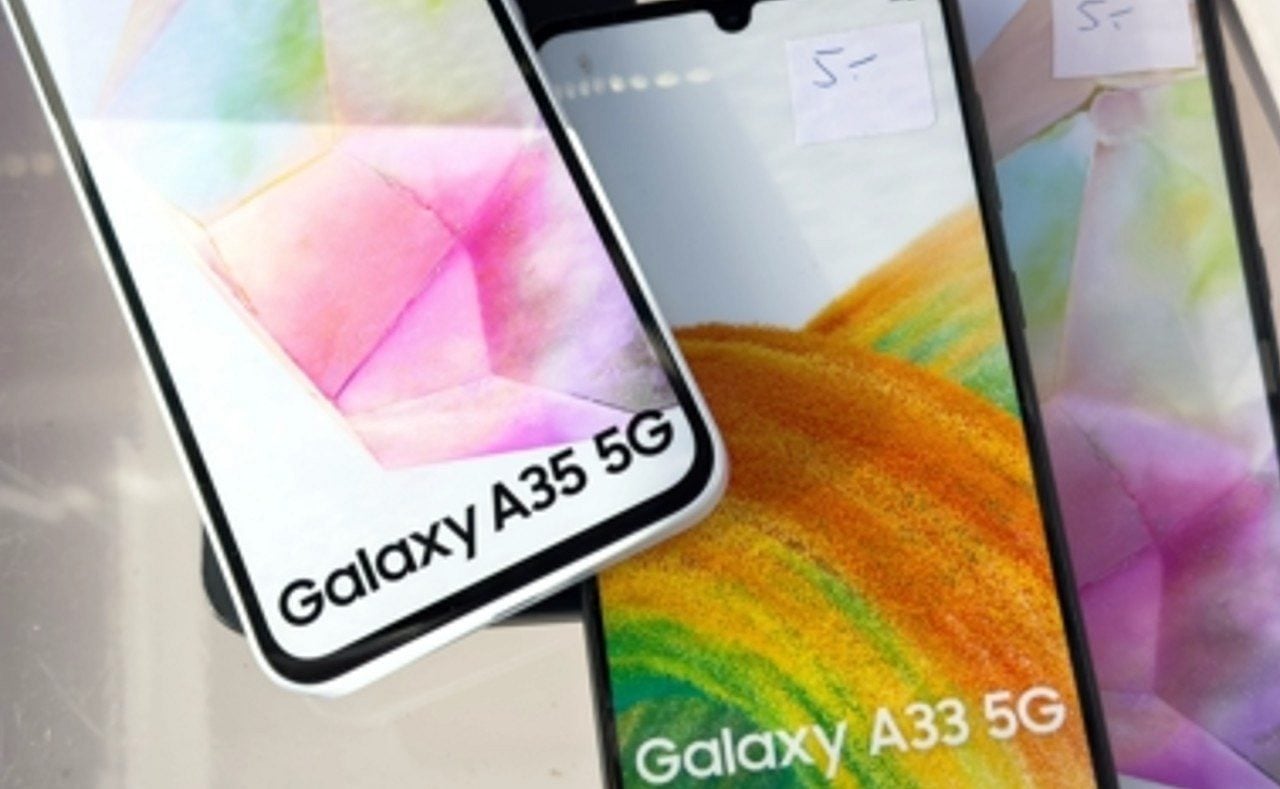
The South Korean manufacturer has started distributing the test program for the One UI 8.5 interface to users of the Galaxy A35 smartphone. The installation package is now available for download at Índia and Coreia from Sul since April 13, 2026. The file is approximately 2.85 GB in size and carries the security package for the month of April.
The measure represents a change in the company’s traditional strategy, which usually prioritizes premium line devices in the initial phases of software experimentation. The operating system is based on the Android 16 QPR2 architecture, delivering new functions before the release of the stable version. Interested consumers must register through the brand’s official application to gain access to the firmware. The expansion to the intermediate category demonstrates an advance in the stability of the code developed by the company.

Paradigm shift in software distribution
Historically, major mobile device manufacturers reserve the first rounds of operating system testing for their most expensive and advanced devices. The current movement breaks with this market logic by inserting an intermediate specifications model at the beginning of the validation cycle. The technical decision indicates that the new interface’s code base has reached a level of maturity sufficient to run on less robust processors without compromising basic usability. Software engineers use this approach to collect performance data in real-world usage scenarios with diverse hardware. The Indian variant of the device receives the firmware identified by the code A356EXXU8ZZD2 during this step. The installation process requires that the device maintain a constant wireless Internet connection and have at least half of the available battery capacity. The manufacturer recommends creating backup copies of all personal files before starting to replace the system. Falhas unexpected events can occur during data transition, making backup a fundamental prevention step.
Access to the data package is restricted to selected markets in this initial phase of implementation. Consumidores located in Brasil and in other countries in América Latina do not yet see the option to join the trial program on their devices. The gradual release follows strict technical criteria for server monitoring and analysis of specific regional failures. Each country’s network infrastructure requires specific adaptations to communication modems before large-scale distribution.
System architecture and hardware integration
The fluid functioning of the new platform directly depends on the technical specifications embedded in the device. The model in question operates with the Exynos 1380 processor, working in conjunction with RAM memory options ranging between 6 GB and 8 GB. Internal storage offers capacities of 128 GB or 256 GB, allowing expansion via memory cards in microSD format. The 6.6-inch screen uses Super AMOLED technology with Full HD+ resolution and 120 Hz refresh rate. The operating system’s visual optimizations need to synchronize with this frame rate to deliver smooth transitions.
The software update keeps all the original physical capabilities of the equipment intact, without changing the thermal limits established at the factory. The focus of the package lies exclusively on improving communication between the electronic components and the graphical interface designed by the manufacturer. The energy management of the 5,000 mAh battery also undergoes fine adjustments to the consumption algorithms, seeking to extend the screen-on time. 25W fast charging continues to operate within industry standard safety parameters.
Procedures for entering the assessment environment
Participation in the test environment requires completing a series of identity verification steps and agreeing to the terms of use. The user assumes responsibility for operating a system subject to momentary instabilities and execution failures of third-party applications. The official channel to manage this transition focuses on a dedicated customer relationship platform. The company uses this same environment to receive error reports and suggestions for improvements sent by volunteer testers.
- Opening the official support application factory installed on the device.
- Authentication to the system using the manufacturer’s account credentials.
- Location of the promotional banner referring to the testing program on the main page.
- Confirmation that you have read the terms of responsibility and completed your registration.
- Navigation to the general settings menu to request the search for the data package.
Detailed reporting by users forms the backbone of the entire software improvement program. Quando an application closes unexpectedly or the interface appears slow, the system generates a log file containing the variables at the time of the failure. Testers forward this anonymized data to the development center at Ásia, where programming teams analyze faulty lines of code. Esse cycle of trial, error and correction ensures that the final version reaches the general public free of serious problems that could render the phone unusable. Constant communication between the community and developers speeds up the identification of conflicts with banking apps or corporate communication tools. The active participation of the customer base significantly reduces the costs of internal laboratory testing. The patch schedule calls for smaller updates over the next few weeks to stabilize functions reported as problematic. Apenas After all critical flaws have been resolved, the build receives the stable release seal.
Impact of visual and functional novelties
The structural basis provided by Android 16 QPR2 introduces profound changes in daily interaction. The package brings refinements to window opening animations, providing greater navigation speed. Lock screen customization options have received new layout arrangements. The camera system also gains new image processing algorithms.
The IP67 certification against water and dust guarantees the physical protection of the device during use in outdoor environments, a feature that complements the system’s durability. The device’s connectivity includes full support for 5G networks, standard Bluetooth 5.3 and contactless communication via NFC for digital payments. Todos These radio modules receive firmware updates in the background to optimize signal reception and reduce daily energy expenditure. The USB-C port manages physical data transfer with new security protocols implemented by Android.
Outlook for the global distribution schedule
The advancement of the verification stages in Ásia dictates the pace of software expansion to other continents throughout the year 2026. The regional batch release strategy prevents an undetected flaw from affecting millions of devices simultaneously around the planet. Outros models belonging to the same family of intermediates must join the testing program as soon as the first phase presents satisfactory stability results. Aparelhos from previous generations are also waiting in the processing queue to receive the source code adaptation. The South Korean company remains committed to providing multiple years of support for its equipment, extending the useful life of electronics and reducing premature disposal. Consumers who prefer to avoid the risks inherent to unfinished software should ignore invitations to participate and wait for notification of the final version. Completing the entire development cycle usually takes a few months of intense work by engineering teams. The technology market closely monitors the speed of these deliveries, as agility in support has become a decisive factor in the purchasing choice of modern consumers.
