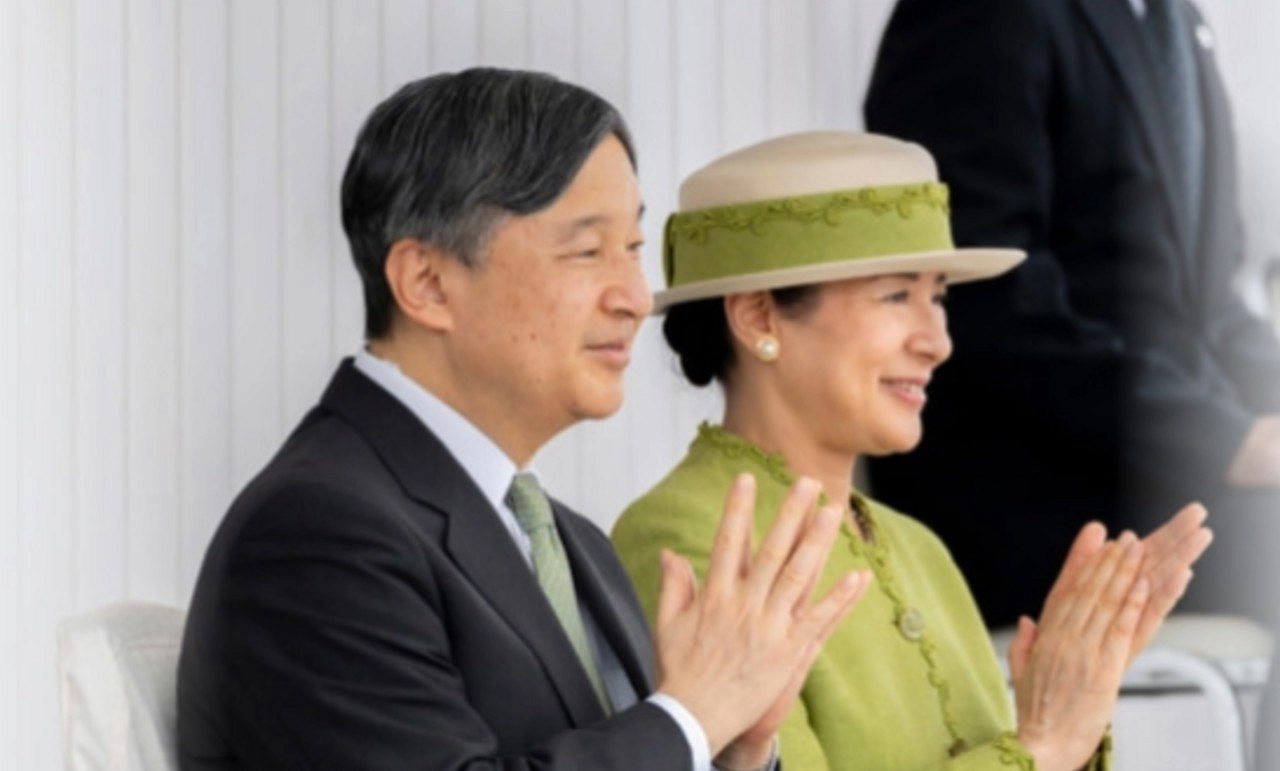
Agência of Casa Imperial of Japão released the official appointment schedule of Emperor Naruhito and Empress Masako for the third week of April. The program includes the participation of monarchs and other members of royalty in traditional ceremonies and charity events in the metropolitan region of Tóquio. The official commitments extend until April 19th and mark the beginning of the celebrations of the new season in the Asian country.
The agenda reflects the Japanese monarchy’s constant balance between preserving centuries-old rites and supporting contemporary causes. The published calendar highlights the family’s presence in global scientific awards and meetings with citizens who provide relevant services to society. Especialistas in diplomacy point out that the full resumption of public royal activities reinforces the role of social cohesion that Trono plays over the population.
Recognition of scientific and technological advancement
The first major event of the week takes place on April 14, when Emperor Naruhito attends the handover ceremony for Prêmio Internacional from Japão. The ceremony is scheduled to take place in a new arena built in the central region of Tóquio, with the presence of government authorities and researchers from different parts of the world. Logo After presenting the medals, the monarchs participate in an official banquet offered to the laureates and distinguished guests. The joint presence of the emperor and empress Masako in this type of event highlights the monarchy’s historic commitment to encouraging the development of science and technology. Historicamente, the Japanese imperial family maintains a strong bond with academic research, a trait that runs through different generations of the lineage. The Crown’s active participation in these awards serves as Japan’s Estado endorsement of global innovation efforts. The event attracts international media attention and reinforces the country’s image as a center of excellence in research. Scientific diplomacy has become one of the pillars of royal public activity in the Reiwa era.
Imperial support for scientists goes beyond the simple formal presence at award ceremonies. Monarchs often take time to speak one-on-one with researchers, demonstrating genuine interest in the findings presented. Essa Proximity helps to popularize complex topics among the country’s ordinary citizens.
Secular tradition in the gardens of Palácio of Akasaka
The highlight of the weekly program takes place on April 17th, with the traditional Festa of Primavera on Jardins of Propriedade Imperial of Akasaka. The event will be attended by the family, including the princess Aiko, the crown prince Akishino, the crown princess Kiko and the princess Kako. The celebration, known locally as En-yukai, is one of the most anticipated moments in the Japanese capital’s cultural calendar. Primavera0 the reception, the royals walk through the flower gardens and interact with guests. The occasion requires strict formal attire and follows a protocol established decades ago by the palace bureaucracy.
The guest list for Primavera Primavera is drawn up with extreme rigor and reflects Estado recognition of outstanding citizens. The palace sends invitations to individuals who have made significant contributions in areas such as arts, sports, academia, politics and community service. Atletas who won Olympic medals, award-winning writers and leaders of non-governmental organizations are usually among those present. The open-air setting, surrounded by the carefully cultivated nature of Akasaka’s gardens, provides a setting of tranquility that contrasts with the hustle and bustle of the surrounding metropolis. The tradition of inviting ordinary citizens to the imperial gardens began in the period Meiji and became a vital public relations tool for the monarchy. Direct interaction between rulers and civil society helps to humanize the figure of the emperor, which the post-war constitution defines as the symbol of Estado and the unity of the people. Television coverage of the event allows millions of Japanese to follow the informal conversations between royalty and those honored.
Social engagement and support for health causes
In addition to the major events of Estado, the imperial family’s agenda reserves space for supporting third sector initiatives and humanitarian causes. The division of labor among royals allows the monarchy to reach different demographic groups and support a variety of social projects. The younger generations of the family have taken a leading role in these awareness-raising activities.
On April 19, Crown Princess Kiko and her daughter, Princess Kako, are confirmed to attend a benefit concert aimed at supporting patients undergoing cancer treatment. The musical presentation will bring together renowned orchestras and guest artists, with all proceeds going to foundations that finance oncology research and offer psychological support to patients. The participation of the princesses gives immediate visibility to the cause and encourages an increase in donations from the private sector. Royal engagement in public health issues has been a constant in recent decades.
- Attendance at benefit concerts helps demystify serious illnesses and promotes empathy in society.
- Donations collected during these events are essential for the maintenance of specialized hospitals.
- Crown support facilitates the creation of partnerships between non-governmental organizations and private companies.
- The princesses’ actions inspire young people to get involved in volunteer work and fundraising campaigns.
Rigorous planning and institutional transparency
The weekly publication of the imperial agenda is a practice that aims to guarantee the transparency of activities financed by Estado. Agência from Casa Imperial, the government body responsible for managing the public and private lives of royalty, constantly updates commitments to inform the population about the whereabouts of the monarchs. The logistical planning behind each public appearance involves months of preparation and coordination with local law enforcement. The palace bureaucracy carefully evaluates each invitation received to ensure that the imperial presence is in line with the country’s constitutional values.
Balancing ritual obligations within the palace walls and the demands of modern public life represents the agency’s greatest logistical challenge. Enquanto the emperor holds private Shinto ceremonies to ask for good harvests and peace for the nation, he also needs to meet foreign ambassadors, sign Estado documents and visit areas hit by natural disasters. The mid-April agenda perfectly illustrates this duality of functions that characterizes the contemporary Japanese monarchy. The simultaneous presence at cutting-edge scientific awards and secular spring festivities shows an institution that attempts to act as a bridge between Japão’s historical past and its technological future. The stability provided by this rigorous routine offers a sense of cultural continuity for the population in times of rapid global change. The imperial family’s operating model continues to evolve, adapting to society’s expectations without losing the essence of its ancient traditions.
