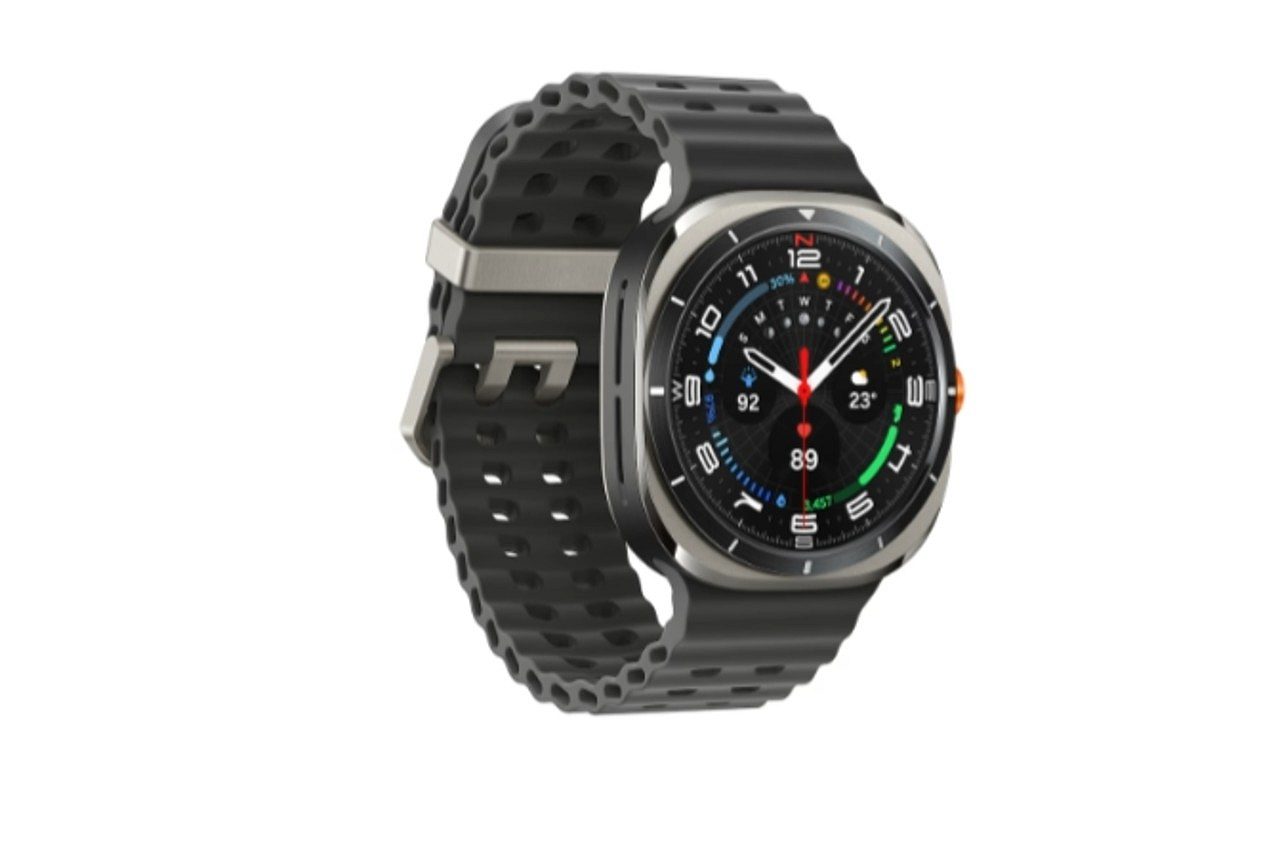
Samsung plans to unveil the second generation of its high-performance smartwatch during the brand’s global event scheduled for July 2026. The new wearable device will hit the market with profound updates to its internal architecture, marking the transition to components focused on artificial intelligence and independent mobile connectivity. The unveiling of the equipment will take place simultaneously with the announcement of the South Korean manufacturer’s new line of foldable phones.
The development of the equipment required a longer engineering cycle compared to the company’s traditional models. The strategy aims to consolidate the brand’s presence in the premium accessories segment for extreme sports and advanced monitoring. The main focus of the update lies in replacing old processors with more efficient platforms, in addition to introducing communication technologies that eliminate the need for constant pairing with a cell phone.

Change in processing architecture and thermal efficiency
The most significant technical change in the new equipment involves the adoption of the Snapdragon Wear Elite processor, which replaces the Exynos line used in previous generations. The component manufactured with advanced lithography delivers superior power management capacity, which directly affects usage time away from sockets. The platform brings native support for processing artificial intelligence algorithms directly to the user’s wrist. Essa structural change allows the operating system to perform complex biometrics calculations without relying on the cloud. The gain in response speed also affects the fluidity of the graphical interface when navigating heavy maps. The new thermal architecture prevents the watch from overheating during prolonged exposure to the sun on trails or long-term competitions. The hardware suite ensures continuous operation of voice assistants and third-party applications without abrupt interruptions.
The chip supplier transition represents a strategic move in the consumer electronics market. The new processor facilitates the reading of data in real time during high-intensity physical activities, where the accuracy of the information is essential for the athlete. The immediate response to touch commands on the screen improves the user experience in situations of constant movement.
Advances in biometric monitoring and data analysis
The set of optical and electrical sensors has undergone refinement to deliver body metrics with a greater degree of accuracy. The integrated system assesses heart rate, blood oxygenation levels and body composition through bioimpedance. The software crosses this information with the individual’s history to generate daily reports on the level of physical readiness. The data crossing guides the user about the need for rest or the possibility of increasing the training load. Artificial intelligence acts as an analytical filter that identifies anomalies in vital patterns over weeks of continuous use.
The manufacturer is testing the inclusion of experimental tools for the detection of nutritional signals and the continuous measurement of glucose levels in a non-invasive way. The commercial release of these specific functions depends on the approval of health regulatory agencies in each country of operation. Sleep monitoring has also received updates to its motion and breathing detection algorithms. The equipment can identify micro-awakenings and possible respiratory disorders during the night. The morning report details the phases of light, deep and REM sleep, delivering a score that helps the user understand the quality of their night’s rest.
Reinforced structure for high-impact sports
The external design maintains the line’s robust visual identity, using a 47mm case forged from aerospace-grade titanium. The material offers high resistance to mechanical impacts and corrosion, keeping the total weight of the accessory at comfortable levels for daily use. The 1.5-inch AMOLED technology screen is protected by sapphire crystal glass, which prevents the appearance of deep scratches caused by friction with rocks or sports equipment. The display has high brightness levels to ensure readability of information in direct sunlight in open environments. The water resistance certification allows diving in depths of up to 100 meters, meeting the demands of swimmers and water sports practitioners.
The device’s energy capacity is based on a 590 mAh battery, the same specification as the previous version. However, the efficiency of the new processor can extend the equipment’s total autonomy beyond the 100-hour mark when energy saving mode is activated. Essa Durability caters directly to those who practice ultramarathons and mountain expeditions.
Independent communication and navigation capabilities
The introduction of native 5G connectivity transforms the accessory into a standalone communication device. The user can make voice calls with high clarity, download navigation routes and stream music via streaming services without the presence of a cell phone nearby. The data transfer speed of the fifth generation network eliminates delays in loading topographic maps while hiking in areas with signal coverage. The equipment also incorporates a dual-frequency satellite location system, which improves tracking accuracy in urban centers with many tall buildings or in dense forests.
- Native support for fifth generation mobile networks in supported regions.
- Satellite communication system for sending emergency alerts.
- 64 GB internal storage capacity for files and applications.
- Optimized GPS antennas for fast signal fixation on the move.
Personal safety in remote areas is reinforced with satellite communication technology. The feature allows the sending of short distress messages and exact geographic coordinates to rescue services in places where cell phone towers cannot reach. The tool works as a redundant communication channel that can be activated quickly in critical situations involving accidents or geographic disorientation.
Software integration and business strategy
The equipment operates with the latest version of the Wear OS system, developed in a technical partnership with Google. The graphical interface takes advantage of the screen format that mixes square and circular lines, maximizing the useful space for displaying long notifications and smart home control panels. The presence of a physical action button on the side of the box allows quick shortcuts to be customized. The user can configure the key to start a stopwatch, turn on the screen flashlight or start recording a run with just a physical touch, making operation easier when hands are sweaty or covered by gloves.
The global distribution strategy foresees the product arriving in stores in the weeks following the presentation event in July 2026. The manufacturer plans to make different variants of the equipment available, separating the models by basic and advanced mobile connectivity options. The division into different versions allows the watch to reach different price ranges, adapting to the reality of each country’s telecommunications infrastructure. Compatibility with bracelets and chargers from previous generations will be maintained, which reduces the transition cost for consumers who already use the brand’s device ecosystem and only want to update the main watch module.
