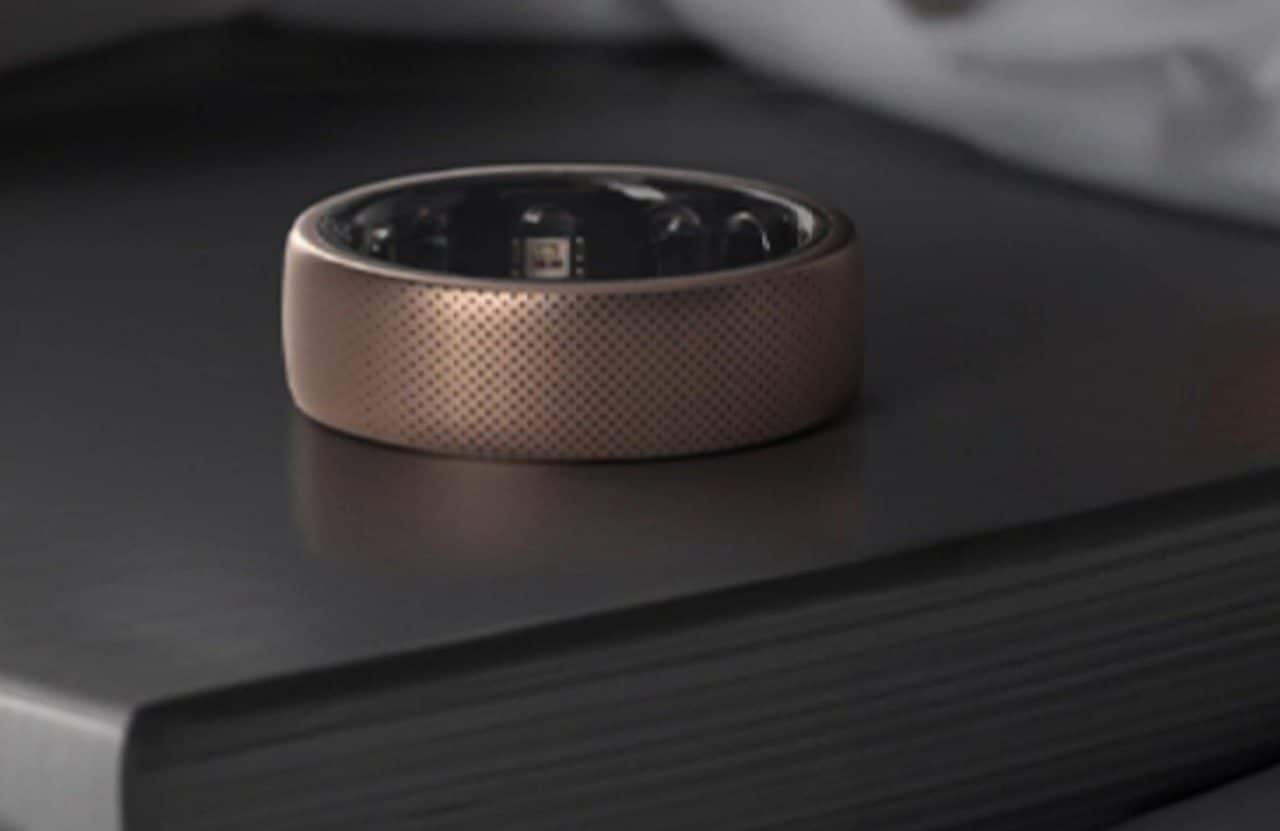
The wearable devices market takes on new contours with the direct dispute between two smart ring options aimed at continuous health monitoring. The Amazfit Helio Ring appears as a low-cost alternative, while the Oura Ring 4 maintains its positioning in the premium segment. Choosing between the two devices requires a detailed analysis of usability, data accuracy and long-term costs.
Recent evaluations have focused on the performance of these devices in areas such as sleep quality, daily physical readiness and monitoring of sports activities. Ambos The models can measure heart rate and body temperature variation with high precision. However, the user experience changes drastically depending on the app ecosystem and billing model adopted by each manufacturer.
Physical structure and comfort for continuous use
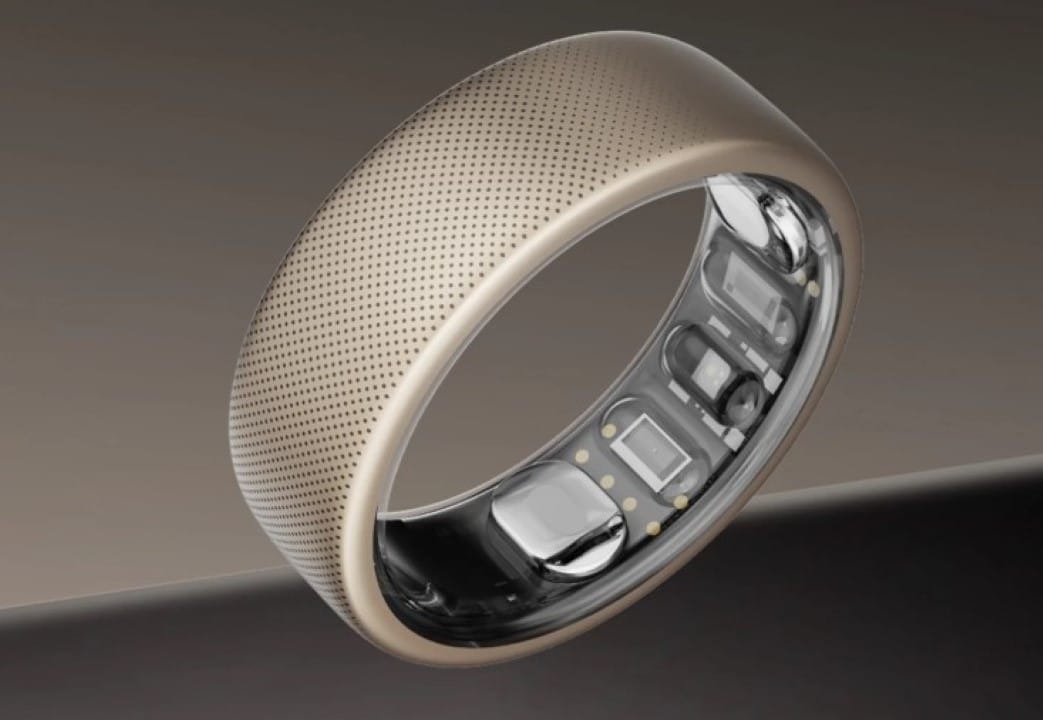
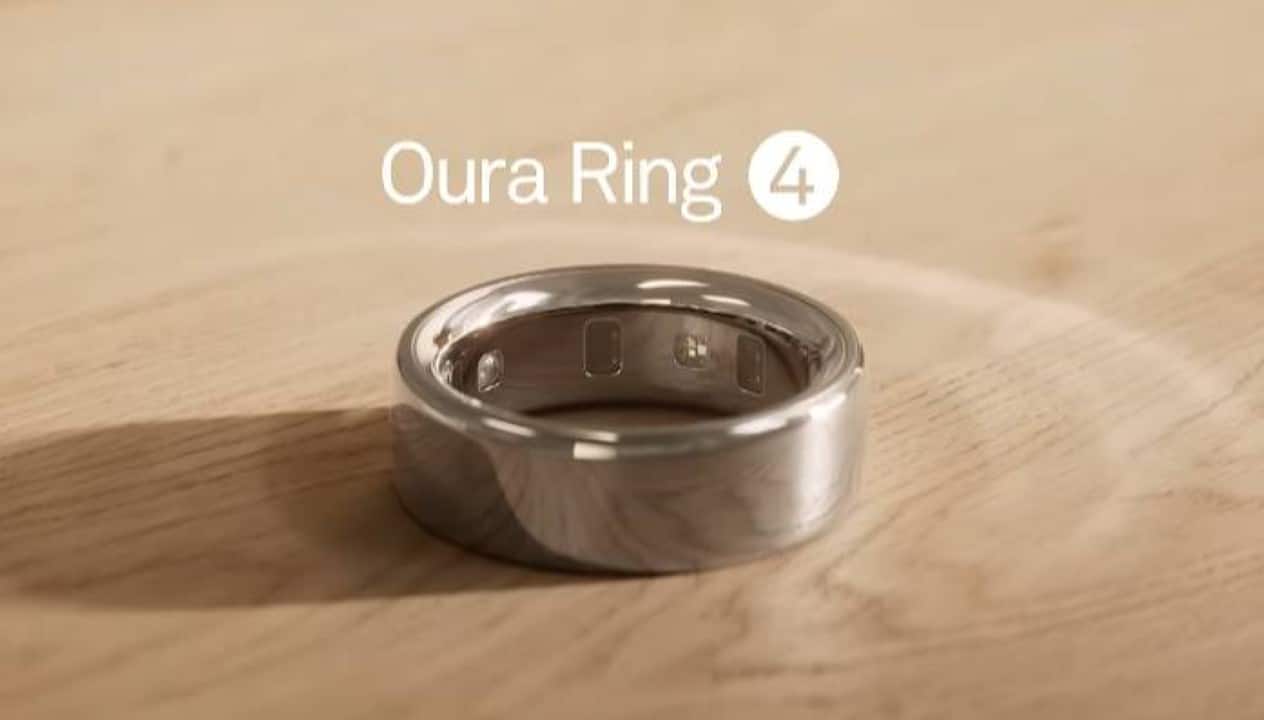
Design represents one of the main decision factors for those who want to use a health monitor twenty-four hours a day. The Oura Ring 4 delivers a sophisticated finish, offering versions made in titanium and a recent variant in high-resistance ceramic. Este model weighs between 3.3 and 5.2 grams, depending on the number chosen, and has an extremely thin thickness of just 2.88 millimeters. The manufacturer offers a wide range of sizes, ranging from numbers 4 to 15, making it easy to adapt to different hand shapes. The ceramic version uses high-performance zirconia, a material that guarantees superior durability and prevents peeling common in painted pieces. On the other hand, the Amazfit Helio Ring relies on a hybrid construction, combining a titanium alloy on the outside with a resin coating on the inside. The weight is around 3.7 grams, making the device very discreet for your work or leisure routine. The internal structure of both devices was designed to hide the sensors, avoiding any type of protrusion that could cause skin irritation after weeks of uninterrupted use.
Physical resistance is also a strong point shared by both competitors. Users can dive with the rings to depths of up to one hundred meters without risk of damaging the internal electronic components. Relatos practical results indicate that none of the models interfere with typing, handling objects or other daily manual activities.
Crucial differences in battery life and recharging
Power management capability establishes a clear divide between the two evaluated products. The Oura device can remain away from the socket for a period ranging from five to eight days under normal conditions of use. Quando the battery reaches its end, the complete recharge process only requires between 45 and 80 minutes on the magnetic base. Essa Efficiency allows the user to recover the device’s energy during quick tasks, such as taking a morning shower or getting ready for work.
The Amazfit Helio Ring has a more modest autonomy, requiring recharges every three or four days. The time connected to the base is also longer, exceeding the one hour mark and taking up to one hundred minutes to reach maximum capacity. Essa The need for frequent charging can alienate consumers who prefer to forget that they are using electronic equipment.
- Oura Ring 4 guarantees up to eight days of continuous operation with optimization algorithms.
- Amazfit Helio Ring requires more frequent recharges due to the consumption of active sensors.
- Charging bases of both models are portable and easy to carry when traveling.
- The premium model’s quick recharge makes it easier to maintain the battery in your daily routine.
- More affordable device can quickly lose autonomy if sports monitoring is intense.
Application ecosystems and data processing
The way health information is presented to the user defines a large part of the smart ring experience. The Oura app is widely recognized for its intuitive interface and delivery of simplified daily scores on sleep, mood and physical activity. The system requires approximately two weeks of continuous use to learn an individual’s body patterns and begin providing highly personalized guidance. The platform can cross-reference complex data to offer insights into the menstrual cycle, accumulated stress levels and even early signs of respiratory diseases. In contrast, the Zepp application, which manages Helio Ring, takes a more fragmented approach to displaying metrics. Embora also use a scale from zero to one hundred to classify the user’s health, navigating the menus requires a little more familiarity with the interface. The Zepp compensates for this learning curve by delivering real-time data during the practice of specific exercises, something that attracts amateur athletes. The visualization of heart rate and distance traveled directly on the cell phone screen during a run is an important differentiator of the Amazfit ecosystem.
Performance in tracking physical activities
Exercise monitoring reveals different proposals between the two wearable technology manufacturers. The Oura Ring 4 shines in automatic movement detection, recording short walks and daily commutes without the user needing to activate any command. The main focus of this equipment is on analyzing post-workout recovery and the impact of cardiovascular effort on night rest. Ele acts as a silent advisor, indicating when the body needs rest or when it is ready for a greater intensity load.
Amazfit Helio Ring, in turn, restricts real-time monitoring to specific modalities, such as running, walking and cycling. Durante these practices, the device sends information directly to the smartphone, functioning almost like an extension of a sports watch. Para other physical activities, the user needs to import the data manually or rely on integrations with third-party platforms. A unique feature of this model is the electrodermal activity sensor, which adds an extra layer of monitoring aimed at physiological responses to mental stress.
Financial impact and subscription models
The cost of purchasing and long-term maintenance is often the deciding factor when choosing a health monitor. The Oura Ring 4 starts at US$349 for the titanium versions, reaching US$499 in the most sophisticated finishes. Além of the hardware price, the company requires payment of a monthly fee of US$5.99 to access full access to detailed reports in the application. Sem this signature, the ring loses much of its analytical usefulness, displaying only basic metrics.
At the other end of the market, the Amazfit Helio Ring is sold for around US$149.99, with occasional discounts at international retailers. The great attraction of this model is the absence of mandatory monthly charges for the operation of its main tools. The Zepp app offers paid premium features only as an extra option for those who want artificial intelligence tools aimed at relaxation.
