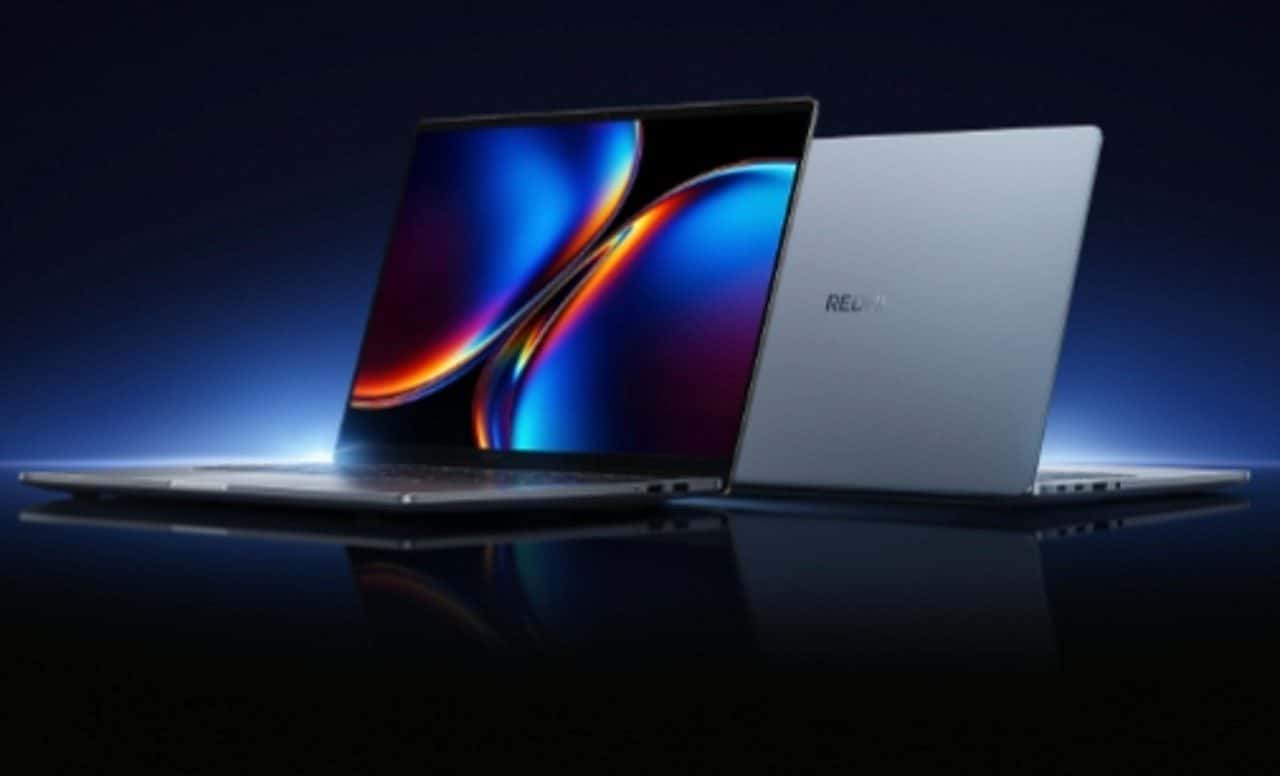
Chinese manufacturer Xiaomi confirmed the launch of the new line of portable computers Redmi Book Pro 2026. The equipment hits the market in two size versions, with 14 and 16 inch screen options. The series’ biggest differentiator is the integration of the Intel Core Ultra processors from the Panther Lake family. The company is betting on the combination of high processing capacity with prolonged energy efficiency to attract demanding consumers. The official announcement comes at a time of strong competition in the personal technology sector.
The presentation of the devices is scheduled for April 21, 2026, in an event hosted at China. The brand will take advantage of the occasion to simultaneously reveal the K90 smartphone Max, expanding its ecosystem of integrated products. The commercial strategy focuses on delivering premium category specifications at a more affordable acquisition cost compared to direct competitors. Especialistas from the hardware sector note that the movement aims to attract professionals and students seeking advanced performance. The company still keeps the official sales values of the devices confidential.
「Redmi Book Pro 2026」が発表!92Wh+Panther Lakeで動画37時間再生、 MacBook Prohttps://t.co/bjIS9uif74#デイリーガジェット #Xiaomi pic.twitter.com/xsyIJSU9kK
— デイリーガジェット (@daily_gadget_jp)April 11, 2026
Advanced processing architecture and graphics performance
The technological heart of the new computers lies in the adoption of the Panther Lake platform from Intel, designed to optimize complex tasks and reduce energy consumption. The most robust configuration in the line uses the Core Ultra X7 358H processor, which delivers 16 physical processing cores. Esse chip works together with the Arc B390 integrated graphics unit, capable of handling video rendering and design applications fluidly. The intermediate and entry-level versions of the equipment will be equipped with the Core Ultra 5 338H and Core Ultra 5 325 processors. Essa component diversification allows the manufacturer to meet different budget profiles without sacrificing the system’s base architecture. The hardware also has LPDDR5X RAM memory, which operates at high frequencies to ensure fast responses from the operating system. Integrating artificial intelligence features directly into the processor reduces the workload of the central unit. Esse thermal and operational balance results in quieter, longer-lasting machines during intense use.
Energy capacity and autonomy limits
The version with a 16-inch screen houses a 99 Wh battery, the maximum limit allowed by civil aviation regulatory agencies for transport on commercial flights. The manufacturer claims that this component guarantees up to 37 hours of continuous playback of locally stored video. Esse number represents a significant leap compared to previous generations of the brand itself and its competitors.
The most compact model, 14 inches, incorporates a 92 Wh power cell, a value considered high for the dimensions of the chassis. Essa version comes with a 90 W charger equipped with fast recharging technology, allowing you to recover a large part of your autonomy in just a few minutes of connecting to a socket. The company has not yet detailed the specifications of the power adapter that will accompany the larger variant. The focus on energy management reflects a growing demand from professionals who work on the go. Consumption optimization occurs both at the hardware level and in the software adjustments implemented by the Asian manufacturer.
Commercial strategy and competition in the notebook sector
The market positioning of the Redmi Book Pro 2026 series aims to create a direct alternative to high-cost equipment from competing brands. The line appears as an aggressive response to the MacBook Pro models equipped with the M5 chip from Apple, offering equivalent technical specifications in the Windows environment. The most basic configurations of the new Chinese computer are also on a collision course with the MacBook Neo, focused on the premium entry segment. Internamente, Xiaomi calibrates its portfolio to avoid sales cannibalization with the Mac0 2026 line, launched in March. The Mac1 sub-brand traditionally focuses on more aggressive value for money, while the main line carries more refined construction materials. Mac2 market projects that launch prices will be below the values charged for the company’s main series. Mac3 The tactic of flooding the market with multiple configuration options helps the brand capture market shares in different income ranges. The competition for consumers who need powerful machines to run local artificial intelligence tools dictates the pace of launches this semester.
Detailed technical specifications of the new equipment
The set of hardware chosen by the manufacturer consolidates the proposal to deliver machines prepared for the long term. Internal components have been selected to ensure compatibility with upcoming operating system updates and heavy productivity tools. The physical structure of the devices maintains the visual identity characteristic of the product family.
- Top-of-the-line processor: Intel Core Ultra X7 358H with 16 cores from the Panther Lake platform.
- Intermediate processing options: Chips Core Ultra 5 325 and Core Ultra 5 338H.
- Battery capacity: 99 Wh for the 16-inch version and 92 Wh for the 14-inch model.
- Maximum declared autonomy: 37 hours of offline video playback on the largest device.
- Power system: 90 W Carregador with fast charging support in the compact version.
The external design preserves the slim profile and light weight that define the modern ultrabook category. The market awaits confirmation on the exact technology of the display panels, with strong expectations for high-resolution screens and refresh rates exceeding 60 Hz. Wireless connectivity is expected to keep up with the latest Wi-Fi and Bluetooth standards, which are essential for the integrated device ecosystem. The metal construction gives the chassis durability, protecting the internal components against impacts from daily use. The internal cooling was redesigned to accommodate the heat generated by the new Intel processors without compromising the thickness of the equipment.
Distribution schedule and operating markets
The presentation event on April 21, 2026 will focus attention on the Asian market, the company’s main initial focus. Immediate availability of products will be exclusively in Chinese retail and local e-commerce platforms. Expansion to other regions will depend on sales volume in the first weeks of marketing.
The company maintains a policy of not confirming global launch dates in advance, a common practice among Asian technology manufacturers. Consumidores from Western markets, including Brasil, will need to wait for specific regional announcements or turn to independent importers to purchase the machines. The reveal of the exact internal storage options and total RAM capacity will only take place during the official press conference. The simultaneous arrival of the K90 smartphone Max indicates a bundled sales strategy, where the brand can offer discounts for the acquisition of the complete ecosystem. The success of this generation of portable computers will measure the brand’s strength outside the mobile phone segment. The combination of ultra-high capacity batteries with the efficiency of the Panther Lake architecture sets a new standard for the personal computer industry. Competing manufacturers will have to adjust their next releases to keep up with the level of autonomy established by this new series of equipment from Xiaomi.
