
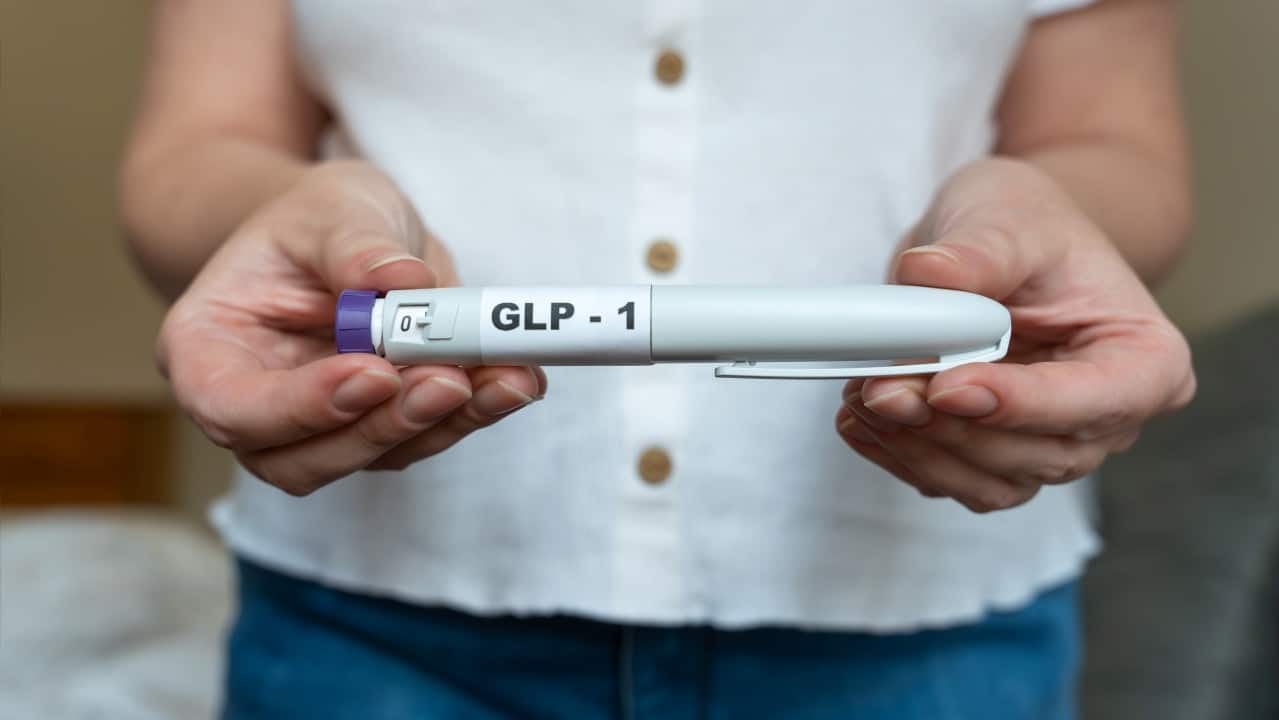
Many patients begin treatment with GLP-1 medications to control diabetes or weight loss and then discontinue use. Medicines such as semaglutide and tirzepatide, sold under names such as Ozempic, Wegovy, and Zepbound, are prescribed for chronic conditions and designed for continuous use. Mesmo Therefore, a significant portion of people leave treatment before completing one year.
Studies using insurance data show that fewer than one in four patients remains on the medication after 12 months. Especialistas attribute the interruption to factors such as high cost, loss of health plan coverage and side effects. Alguns patients also stop when reaching weight goals, although this approach does not reflect current recommendations for treating obesity as a chronic condition.
Adherence to treatment is below expectations
Research indicates high discontinuation rates in the first few months. A survey analyzed insurance claims and confirmed that the majority of users do not maintain the medication long-term. Medications work by reducing appetite and improving glycemic control, but require continuity to sustain results.
Doctors note that framing treatment as something of limited duration contributes to interruptions. Pacientes Those who achieve a certain percentage of weight reduction often consider the cycle to be over. However, obesity requires prolonged management, similar to other chronic diseases.
- High cost of the medicine
- Loss of insurance coverage
- Gastrointestinal side effects
- Expected temporary use
Intention to return is common among those who stopped
Consumer behavior survey reveals that 74% of people who stopped using it say they are very likely to return to the medication. Esse Data comes from market analysis that tracks buyer habits. Barreiras to start over with options in tablet form, more affordable prices and availability through online channels.
The speed with which new formulations and vendors emerge makes it difficult to make projections about future behavior. Anúncios on social networks show cases of brief use for losing a few kilos, which normalizes cycles of interruption and restart. Fabricantes and industry associations call for greater oversight over compounding pharmacies that sell compounded versions directly to the public.
Effects on body composition generate debate
About 40% of weight loss with GLP-1 can come from lean mass, according to a medical chemist from an American university. Essa proportion includes muscle and occurs in any rapid weight loss regime, but attracts attention due to its speed. Quando treatment stops, weight gain usually occurs mainly as fat, while full recovery of lean mass is unclear.
Previous studies show that lost weight largely comes back within the first year after stopping. One review indicates an average gain of around 22 pounds in 12 months for those who lost around 33 pounds during use. Outras analyzes indicate that gains can be up to four times faster than after conventional diets without medication.
Experts highlight the importance of monitoring body composition, especially in older patients. Repeated muscle loss in stop-and-start cycles can increase the risk of sarcopenia, which affects balance, mobility and metabolism. Treinamento strength and adequate protein intake are recommended during treatment to mitigate these effects.
Muscle quality can improve despite volume reduction
A cardiologist from an American university explains that a reduction in the amount of muscle does not always mean worsening function. Imagens MRI scans show that users’ muscles have less fat infiltration and stronger fibers in some cases. The improvement in insulin sensitivity contributes to this adaptive quality.
The focus should not just be on muscle volume, but on general health and functionality. Perda Weight in itself brings cardiometabolic benefits, but maintenance requires continuous monitoring. Pesquisadores from several institutions agree that there is a lack of robust studies on the impacts of intermittent or short-term use.
Long paragraphs here delve into the clinical context. Cyclical use already appears in cultural discussions and in marketing strategies that present medicines as a flexible option. At the same time, pharmaceutical associations advocate changes to reimbursement rules to expand access and defend greater control over sales channels without adequate prescription. Dados real world studies show that many patients alternate between different GLP-1s or resume after breaks, which can influence both adherence and long-term health outcomes. The absence of definitive evidence about repeated cycles leaves doctors and patients navigating uncertain terrain, where individual decisions outweigh standardized protocols.
Medical recommendations prioritize continuity
Doctors specializing in obesity reinforce that treatment should not be seen as a temporary intervention. Interrupções frequent consumption may compromise gains in glycemic control, blood pressure and cholesterol. Estudos withdrawal symptoms show rapid deterioration of these markers when the drug is discontinued.
Patients planning to quit should discuss transition strategies, including adjustments to diet and physical activity, with their healthcare professional. Regular monitoring helps to evaluate individual response and decide whether to maintain or change the approach. With more options available, the scenario evolves quickly, but the current consensus points to sustained use as the best path to lasting results. Stopping GLP-1 medication and returning later is not recommended but occurs frequently
