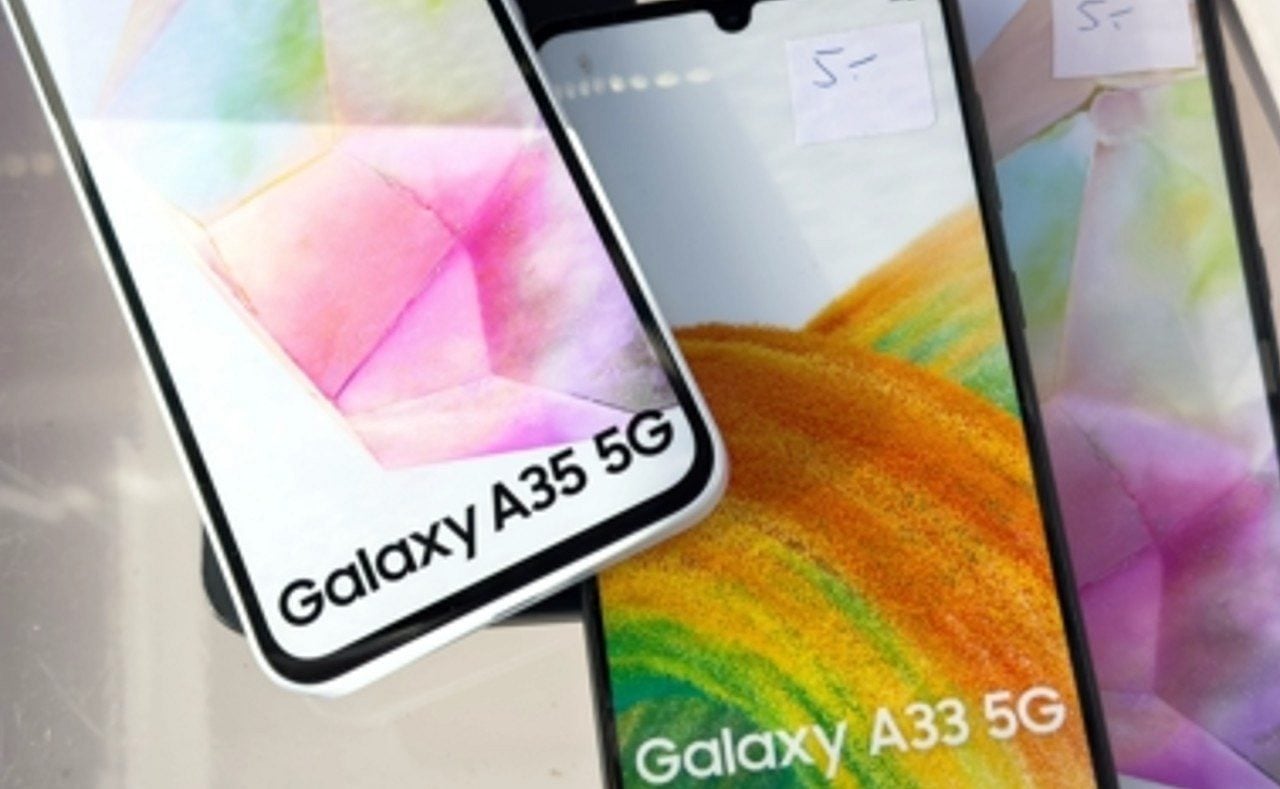
The South Korean manufacturer has started distributing the test package for its new interface for mid-range devices. The experimental software can now be downloaded by owners of specific models on Coreia from Sul and on Índia since last weekend. The measure surprises the mobile technology market, which usually sees these new developments restricted to high-cost cell phones.
The installation file requires considerable space in the device’s memory and brings the latest security package from April 2026. The interim version allows consumers to try out the operating system’s new tools before the official release to the general public. Especialistas point out that this strategy demonstrates the company’s greater confidence in the processing capacity of its more accessible equipment. Access to the download depends on prior registration on the company’s official channels.

Strategic expansion into the cost-benefit segment
Historically, large technology companies reserve preliminary versions of their operating systems for the most expensive devices in their catalogs. Essa practice serves to ensure that tests occur on robust hardware, minimizing severe crashes during the code adaptation phase. However, the inclusion of a model focused on cost-benefit in this initial stage of Android 16 QPR2 signals a significant change in attitude in the telecommunications sector. The manufacturer demonstrates that the internal architecture of its most accessible products has reached a level of maturity capable of supporting software in the development phase without compromising basic usability. The package, which weighs approximately 2.85 GB, carries firmware A356EXXU8ZZD2 for Indian users and includes vital vulnerability fixes. Essa Anticipation helps developers collect real usage data on less powerful processors, optimizing the final product. The strategy also retains consumers who cannot invest in cutting-edge equipment, delivering a premium software experience in a democratic way. The move puts pressure on other competing brands to accelerate their own support schedules so as not to lose space on virtual shelves.
File availability occurs gradually and is controlled by the company’s servers. Neste Firstly, Brazilian consumers still do not have access to the software transfer panel. The expectation is that new territories will be added to the distribution schedule over the next few weeks.
Security procedures before installing software
Transitioning to a testing environment requires rigorous precautions on the part of the equipment owner. The update process modifies deep system files, which can generate conflicts with banking applications or corporate communication tools. For this reason, the technical support team strongly recommends creating a complete backup of all photos, contacts and documents stored in the internal memory. The safeguard procedure prevents the irreparable loss of information if the device needs to be formatted to factory defaults. Além Furthermore, data transfer requires a high-speed and stable wireless internet connection.
The battery power level also represents a critical factor when rewriting the operating system. The device must have at least half of its load capacity filled before the process begins. An abrupt interruption due to a power outage could permanently render the phone’s main board unusable.
Official path to entry into the experimental environment
Those interested in collaborating to improve the interface must use the manufacturer’s native community application. The platform works as a direct portal between software engineers and the end consumer, allowing quick reporting of visual glitches or unexpected crashes. Após To authenticate with the brand’s credentials, the user must locate the invitation panel on the main page of the forum. Registration approval is usually immediate, allowing access to the phone’s settings menu to search for updates. The data package is downloaded in the background, allowing normal use of the device until the mandatory restart.
It is important to note that returning to the previous stable version requires the complete deletion of user data. Consumers who regret the installation will need to connect the device to a computer to downgrade the system. Esse Degree of complexity keeps lay users away from the experimentation program.
Hardware architecture of the selected equipment
The choice of this specific model for the testing phase is justified by its balanced technical construction. The device delivers a fluid visual experience thanks to its 6.6-inch Super AMOLED panel, which updates images one hundred and twenty times per second. The engine responsible for processing the new interface is the Exynos 1380 chip, which works together with RAM memory options that vary between six and eight gigabytes. The storage space for applications and media reaches up to two hundred and fifty-six gigabytes, with the possibility of physical expansion. Essa configuration ensures that the new animations and artificial intelligence features run without noticeable stuttering.
The device’s image capture suite will also undergo optimizations in software processing with the arrival of the new system. The rear photo frame houses three distinct sensors designed for different lighting and distance scenarios. The durability of the equipment is reinforced by a high capacity battery and resistance certifications against natural elements. The connectivity package meets modern wireless communication and proximity data transfer standards. The high definition screen guarantees color fidelity when playing videos recorded by the user. The external design of the product maintains the visual identity established by previous generations of the same family of devices. Integration with wireless headphones occurs instantly through updated pairing protocols. Abaixo, we detail the main technical specifications that support the operation of the device during this experimentation phase:
- Main photographic sensor with a resolution of fifty megapixels.
- Wide-angle lens equipped with eight megapixels of definition.
- Front camera optimized for video calls with thirteen megapixels.
- Five thousand milliampere-hour power module with quick recharge.
- IP67 structural protection against submersion in fresh water and fine dust.
- Full support for fifth generation networks and near-field connections.
Perspectives for the future of the mobile ecosystem
The early release of programming codes indicates that the Android 16 QPR2 development cycle is at an advanced stage of polishing. Engineers are looking to refine screen transitions, improve background power management, and integrate new productivity shortcuts. The presence of occasional failures is expected and is part of the nature of any unfinished software. The reports submitted by Asian volunteers will serve as a basis for fixing vulnerabilities before global distribution. The definitive version of the system should only reach the international market in the second half of the year.
The South Korean company’s update schedule should encompass dozens of different models in the coming months. Premium category phones remain in the priority queue to receive the polished version of the software, followed by high-performance tablets and foldable devices. The current initiative demonstrates a continued effort to unify the user experience across the brand’s entire portfolio, regardless of the product’s price range. Consumers who value the longevity of their equipment find this support policy a strong purchasing argument.
