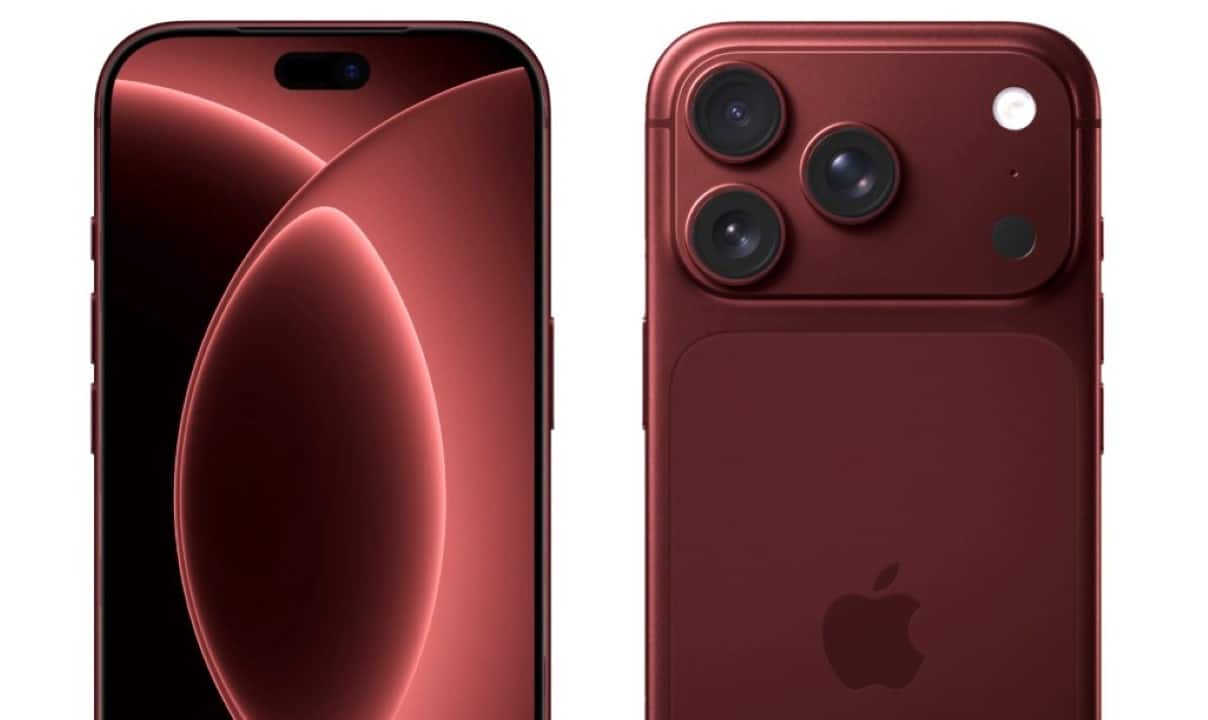
Apple has set the launch schedule for its next generation of high-performance smartphones for the month of September 2026. The new device presents a profound structural reformulation in the mobile device market, breaking with the aesthetic standards maintained by the manufacturer in recent years. The main visual change involves the introduction of a semi-transparent rear panel, constructed from high-resistance materials. The equipment also incorporates a very high capacity battery, surpassing the 5000 mAh mark. Engineering the product required years of research and development in closed laboratories.
The hardware team had to completely redesign the internal layout of the device to accommodate the new power and design specifications. The change requires new cooling systems and a restructured motherboard to prevent exposed components from overheating. The company seeks to maintain thermal safety during intense use of heavy applications. The supply of parts already moves the production chain at Ásia, with suppliers adapting their assembly lines to meet the strict quality criteria required by the North American company.
Engenharia reverse and semi-transparent panel design
The adoption of a translucent back presents an unprecedented logistical and manufacturing challenge for the mass production line. The engineers opted for glass reinforced with specific chemical compounds, designed to prevent yellowing caused by prolonged exposure to ultraviolet rays. The material also offers superior protection against accidental drops and scratches. Partial transparency allows users to view internal elements of the device, such as wireless charging coils and parts of the heat dissipation system. The industrial aesthetic is reminiscent of classic technology equipment, but with a premium finish.
Para To ensure the visual integrity of the smartphone’s interior, the manufacturer had to change the color and positioning of several flat cables and connectors. Internal design has become a crucial element of a product’s commercial appeal. Assembly requires an even stricter cleanroom environment to prevent dust particles from becoming trapped under the clear glass. Durability tests indicate that the new structure maintains water and dust resistance certification, withstanding temporary submersion without compromising visually exposed circuits.
Capacidade energy and restructuring of internal space
The new model’s battery module reaches a maximum capacity of 5200 mAh, making it the largest energy storage component ever used in the history of the brand’s phone line. The substantial increase aims to support the high consumption of new processors and very high resolution screens. The physical expansion of the battery forced the removal of traditional components. The company has made the decision to eliminate the physical tray for SIM cards in all global markets, adopting exclusively eSIM technology.
- Remoção global physical chip tray to free up internal space.
- Implementação vapor chamber for advanced thermal dissipation.
- Uso of graphene plates for battery temperature control.
Thermal management received special attention due to the risk of overheating generated by the high-density battery. The cooling system uses a combination of graphene plates and a redesigned vapor chamber. The technology distributes heat evenly throughout the metal structure of the chassis, avoiding temperature spikes in isolated areas. The power management software works in conjunction with thermal sensors to gradually reduce the processor speed if the device reaches dangerous limits during fast charging.
Avanços in display and front sensor hiding
The dimensions of the screens have undergone significant changes compared to the previous generation. The standard model of the professional line now has a 6.3-inch display, while the enlarged version reaches 6.9 inches. Screen engineering managed to reduce the black edges around the OLED panel by approximately 35%. Front space optimization provides a more immersive viewing experience for media consumption and document reading.
The biggest innovation on the front panel is the complete hiding of the facial recognition sensors and the selfie camera under the main display. The technology allows the screen to display pixels normally over the camera area when it is not in use. Capturing light through the screen’s pixels required the development of complex image correction algorithms to eliminate distortions and unwanted reflections. The operating system has been updated to take advantage of the continuous screen area, expanding the notifications interface and status bar icons.
Processamento location and innovations in the photographic set
The brain of the device is a processor manufactured using 2-nanometer lithography, offering a considerable leap in energy efficiency and computing power. The chip works together with 12 GB of RAM, a specification aimed at executing complex artificial intelligence tasks directly on the device. Local processing eliminates the need to send sensitive data to cloud servers, ensuring greater privacy for the user. The ability to generate texts, translate conversations in real time and edit images occurs instantly and without an internet connection.
The rear camera module introduces a variable aperture system on the main lens. The physical mechanism adjusts the amount of light that reaches the image sensor, adapting to different environmental lighting conditions. The technology simulates the operation of dedicated professional cameras, improving depth of field and sharpness in night photographs. Image processing software applies automatic corrections in milliseconds, combining multiple exposures to deliver a final result with high dynamic range and accurate colors.
Comunicação satellite and manufacturing schedule
The satellite communication infrastructure received an expansion of functionality. The previous system was limited to sending short text messages in emergency situations. The new hardware allows short voice calls to be made and compressed media files to be sent in areas without traditional cellular network coverage. The internal antenna was resized to capture signals from low-orbit satellite constellations with greater speed and stability.
Partner factories at Ásia begin production of key components in the second quarter of the year, ensuring sufficient inventory for simultaneous global launch. The complexity of assembling the transparent panel and integrating new refrigeration systems increased the manufacturing time for each unit. The high cost of research, development and cutting-edge materials directly reflects the commercial positioning of the product, which reaches the market at prices higher than those practiced in previous generations of the brand.
