The video game market frequently witnesses clashes over the technological direction of large corporations. Figuras industry historians tend to watch current movements with a keen eye. One of the architects responsible for creating the first console from the Redmond giant decided to break the silence about the rumors circulating in the industry. The veteran’s vision points to a disconnect between corporate proposals and consumers’ real desire.
Seamus Blackley expressed strong disinterest in Microsoft’s speculated Project Helix. The designer directed his expectations towards the competition’s future launches. Ele stated that the American company’s next hardware sounds like a dull proposition. The developer’s attention is focused on the Valve ecosystem and the long-awaited successor to Nintendo Switch. The positioning generated intense debates in gaming communities about the future of digital entertainment and manufacturers’ priorities.
The hybrid hardware dilemma and loss of focus
Rumors about Project Helix indicate the development of a device capable of unifying computer and console libraries. The premise tries to embrace two distinct audiences in a single machine. Essa strategy seeks to simplify access to digital catalogs and reduce development costs. However, trying to please all player profiles can create a serious identity problem. The device runs the risk of not delivering a premium experience on either front.
Blackley expressed skepticism about the attractiveness of this business model. Ele assesses that the concept lacks an exciting element for software creators and end consumers. The ambiguity of the design dilutes the fundamental purpose of the equipment in the market. The public ends up not understanding the real benefit of the platform compared to more established options. Durante a recent interview, the designer made fun of the situation when asked about his preference over the competition. Ele suggested that disinterest in Helix is the only logical reaction to the lack of palpable innovation.
The force of predictability in the Japanese ecosystem
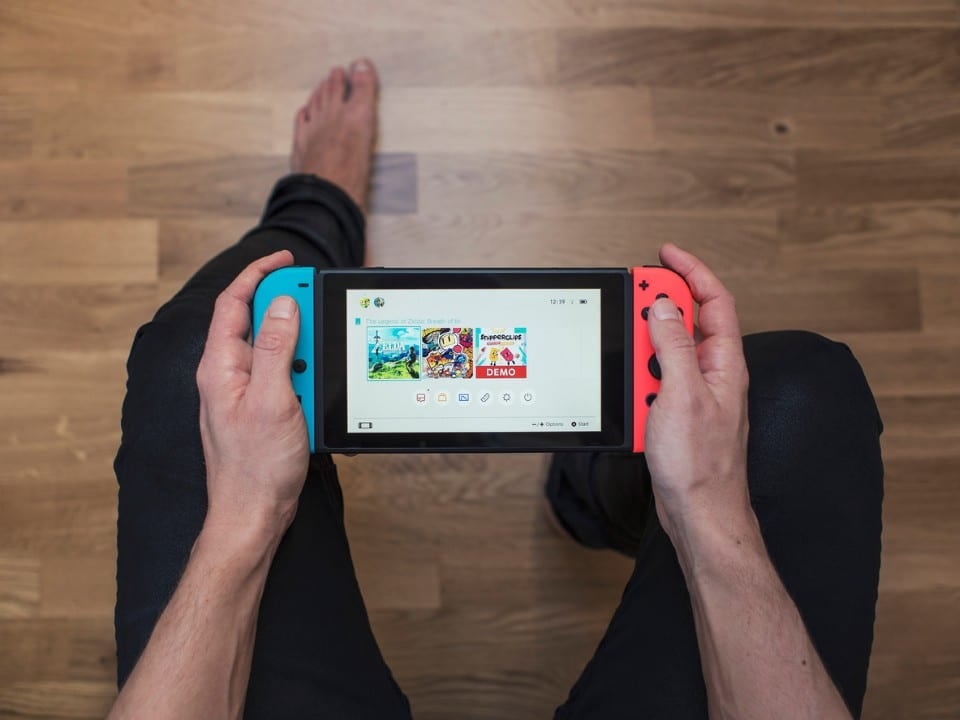
The direct contrast to Microsoft’s strategy appears in Nintendo’s design philosophy. The Asian company maintains an unwavering clarity of purpose in its entertainment products. Cada new hardware launched carries a very well-defined usage proposal from day one. The consumer immediately understands how the machine works and what kind of fun it offers. Essa direct connection eliminates communication noise and strengthens user base loyalty across generations.
The ability to deliver cohesive experiences overcomes even sporadic commercial stumbles. Blackley cited the Wii U as an example of a sales failure that still maintained an interesting and cool concept at its core. The boldness of experimenting with new formats demonstrates a commitment to the evolution of the interactive medium. Quando a player purchases a title from the The Legend of Zelda franchise, he knows exactly the level of immersion that awaits him. Essa quality assurance has underpinned the company’s business model for decades.
- The constant search for new forms of physical interaction with controls and the virtual environment.
- Transparent communication about the target audience of each platform launched in retail.
- The development of exclusive software that justifies the existence and purchase of hardware.
- The courage to test eccentric concepts on the mass market without fear of initial rejection.
The predictability mentioned by the designer does not mean creative stagnation for development teams. Trata is guaranteed that the time invested in the console will result in complete satisfaction. The successor to the Japanese brand’s current hybrid device carries this same expectation of excellence. The industry is waiting for a device that refines the portable experience without losing the manufacturer’s characteristic playful essence. Essa clarity contrasts sharply with generic proposals that attempt to dominate the market through sheer brute force of processing.
Valve’s independent development culture
The veteran’s enthusiasm also extends to Valve’s daily operations. The owner of the online store Steam operates under a fundamentally different logic than traditional publicly traded companies. The absolute focus on game creation dictates the pace of internal work and investment priorities. Decisões that seem chaotic or strange to financial analysts often result in products that are loved by the gaming public. The passion for digital entertainment trumps the constant pressure for immediate quarterly profits.
Gabe Newell’s leadership illustrates this peculiar and highly productive corporate culture. Blackley described the company’s president as crazy in an extremely positive way for the ecosystem. The folkloric detail on a Roman sword kept in the executive’s office reinforces the image of a work environment outside of conventional standards. Essa eccentricity allows teams to explore risky ideas without the constant fear of premature cancellation. The environment favors mechanical and narrative innovation in each approved project.
The company’s hiring history proves this mentality focused on the community’s raw talent. The case of the Team Fortress game serves as the perfect example of this appreciation dynamic. The company identified a group of fans creating amateur modifications and decided to finance the project to transform it into an official major release. Eles put gaming first and invested in the right people at the right time. Essa’s organic approach creates deep roots in the community and ensures franchise longevity in the competitive landscape.
Moving away from roots and the impact on exclusives
The final criticism falls on Microsoft’s change of stance in relation to its own studio catalog. The decision to gradually abandon exclusivity for major titles reflects a profound transformation in the corporation’s business vision. Obras that previously served as absolute anchors for console sales now reach rival platforms with ease. Essa strategy dilutes the value of the brand and confuses the loyal consumer who has invested in the ecosystem. Hardware loses its main attraction when software runs with the same quality everywhere.
Blackley attributes this movement to possible executive insecurity at the highest levels of the games division. Ele questions whether current decision-makers understand the cultural weight of a high-budget exclusive game. The lack of practical experience with historical milestones in the industry hinders the formulation of efficient long-term strategies. The designer used the impact of Wii Tennis and the first Halo as examples of experiences that defined entire generations of players. Quem does not understand the magic of these moments and has extreme difficulty replicating success in the current scenario.
The future of interactive entertainment demands leaders who breathe video game culture every day. Projetos conceived purely on financial spreadsheets rarely capture the public imagination in any lasting way. The focus on hybrid hardware without a clear identity reflects the fear of taking creative risks in a saturated market. Enquanto Some corporations try to embrace the entire world with generic services, others focus on delivering pure and simple fun. The market will answer on the shelves which of these philosophies will dictate the next decade of the global technology industry.
