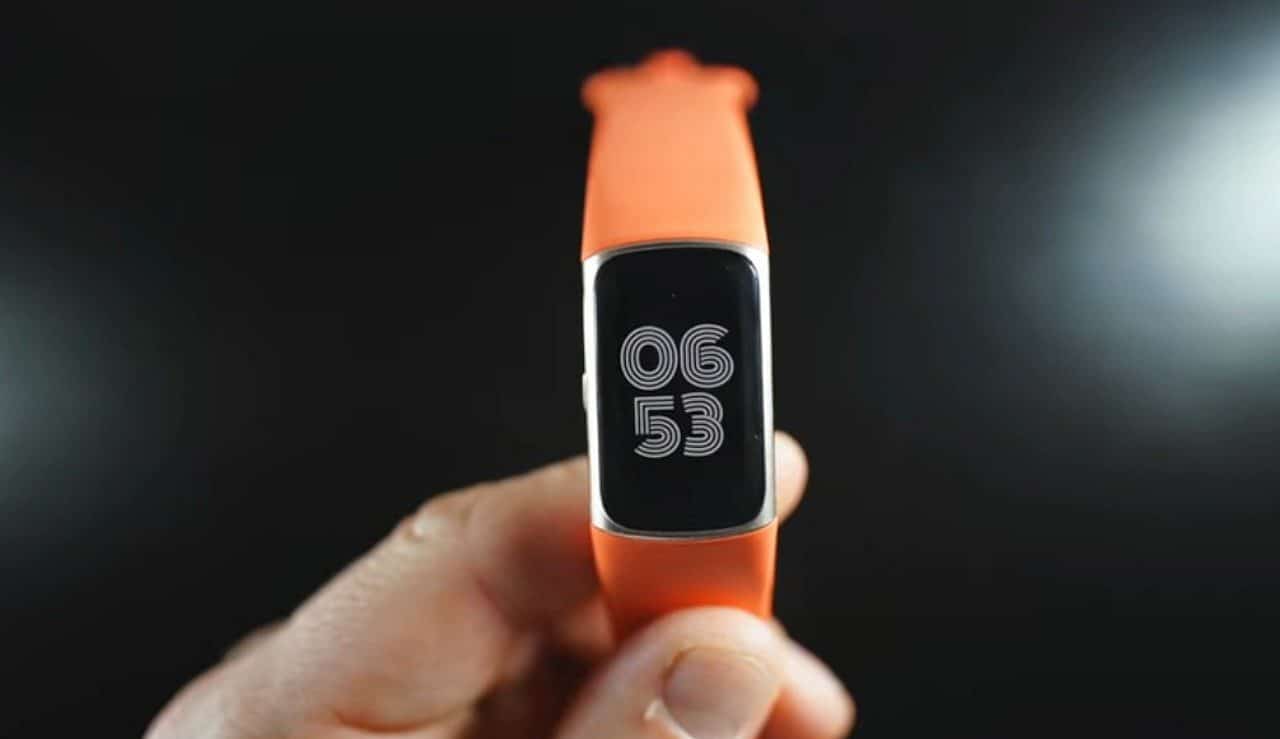
The Google is preparing to launch a fitness bracelet without a screen called the Fitbit Air. The device is designed for passive health monitoring and has already appeared in images used by Stephen Curry. Fontes indicate that the debut should take place in May.
The name Air refers to the concept of lightness and comfort for all day use. The bracelet adopts a minimalist design without any visible display. Isso enables full focus on continuous tracking of metrics like activity, recovery and sleep. The model is positioned as a direct alternative to products such as the Whoop.
Pulseira adopts slim form factor for long-time use
Imagens leaks show a lightweight fabric headband with gray and orange accents. The main sensor occupies little space on the wrist. Essa construction aims to make the accessory almost imperceptible during the day.
Várias different color options and straps are expected to be available in the sale. Relatos point to tones such as Obsidian, Lavender and Berry. The choice of materials prioritizes comfort and durability for those looking for tracking without constant interruptions.
The concept of a screen-free bracelet has gained momentum in recent years. Dispositivos of this type collect data in the background and deliver analytics later in the application. Usuários prevent visual distractions while keeping track of health.
- Slim Design with discrete sensor
- Lightweight, adjustable fabric Faixa
- Color Opções in three main tones
- Foco in passive tracking without display
Lançamento scheduled for mid-May
Fontes close to development indicate May 16th as a possible date for arrival on the market. The official announcement should take place in the coming weeks. The suggested retail price is under $100, making it affordable compared to other premium wearables.

The pricing strategy separates the hardware from the subscription. The user buys the device and, if they want advanced functions, contracts the monthly or annual service. Essa approach is already common in competitors in the segment.
The Fitbit Air comes at a time of expansion of the Google wearables portfolio. The company confirms new Fitbit hardware for 2026 and reinforces investment in well-being tools.
Subscription name Mudança for Google Health
Junto with the hardware, Google plans to rename the Fitbit Premium service to Google Health. The change further integrates healthcare capabilities into the company’s core brand. The personal health coach, currently in the public testing phase, is expected to adopt the name Google Health Coach.
Recursos like personalized workout plans, sleep insights and guidance based on user data remain exclusive to subscribers. The coach uses artificial intelligence to answer questions and adjust recommendations in real time. Algumas basic application functions remain free.
Essa transition reflects Google’s strategy of unifying healthcare experiences under a single identity. Fitbit Air should debut with the new subscription name active.
Concorrência in the screenless tracker market
The non-display wearables segment is growing with interest in continuous recovery and stress monitoring. Modelos like Whoop lead this category in prioritizing performance data over time.
Google enters this race with the advantage of its installed base of Fitbit users and integration with the Pixel and Android ecosystem. The new product may appeal to those who prefer a simple, lightweight accessory rather than full watches with a screen.
Outras companies also explore the format. Recent Relatos mention similar initiatives from manufacturers like Garmin. Fitbit Air arrives to offer a competitively priced option with AI support.
The device should deliver long battery life thanks to the absence of a screen. Usuários can track metrics for several days without frequent reloading. The data feeds the app to generate detailed reports on sleep, activity and recovery.
What Fitbit Air represents for the Fitbit ecosystem
The bracelet marks an evolution in the Fitbit line after the acquisition by Google. The focus returns to dedicated health trackers rather than feature-rich smartwatches. The minimalist design reinforces the proposal for discreet and constant tracking.
Desenvolvedores and users follow how integration with Google services will work in practice. The signature name change raises discussions about health data privacy, but the company remains committed to technical separation under past regulatory agreements.
The official announcement should bring final specifications, exact prices and availability in different markets. Até there, the information continues to be based on sources familiar with the project.
Fitbit Air arrives in a scenario where consumers are looking for simple solutions to monitor their daily well-being. The combination of lightweight hardware and smart software could appeal to both athletes and casual users interested in health metrics.
