Japanese company plans 11,000-kilometer solar ring on the Moon to transmit electricity to Earth

Japanese company Shimizu Corporation presented a conceptual design to install a belt of solar panels along the equator of Lua. The structure would be around 11 thousand kilometers long and would seek to capture sunlight continuously. The energy generated would be sent to the Terra using lasers and microwaves.
The concept, called Luna Ring, is based on the observation that the satellite does not have an atmosphere or day and night cycles like Terra. Isso would allow constant generation without interference from clouds or climate variations. The proposal has gained new attention in recent discussions about space energy.
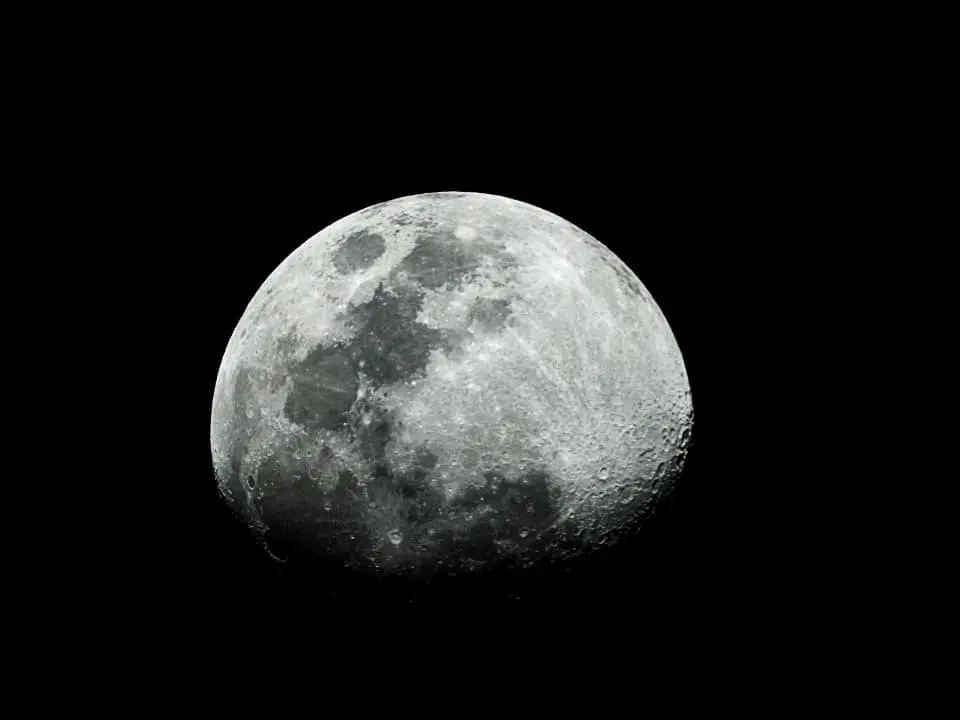
Projeto uses robots for construction on the lunar surface
The execution would depend on autonomous robots sent into space. Esses equipment would carry out the initial mapping of the lunar terrain. They would then mine the local soil to produce building materials.
The regolith would be transformed into concrete and ceramics through automated processes. Placas photovoltaics would be assembled using remotely operated 3D printing. Manufacturing would take place on site to reduce the volume of cargo transported from the Terra.
Essa approach seeks to overcome logistical limitations. The transport of heavy materials still represents one of the most complex aspects. Variações Temperature extremes and cosmic radiation require rugged components.
- Robôs perform mining and initial assembly
- Solo lunar becomes base for concrete and ceramics
- Impressão 3D enables local production of structures
- Painéis solar cells form continuous belt
- Antenas transmit energy via microwaves
Transmissão Power Faces Technical Challenges
The captured electricity would need to reach the planet with precision. Sistemas microwaves and lasers would focus the beam on ground-based receiving stations. Process safety includes avoiding impacts to inhabited areas or satellite communications.
Especialistas point out that reception would require large antennas on the surface of Terra. Preliminary Testes would be necessary to ensure efficiency and absence of risks. The project has not yet defined a specific timeline or budget.
Shimizu Corporation has been studying the concept since 2013. Updated Versões reinforces the use of robotics technologies and advanced materials. The ring could vary from a few kilometers to up to 400 km wide in some sections.
Benefícios include constant supply of clean energy
The absence of lunar night would allow 24-hour operation. Diferente of terrestrial solar plants, the system would not stop due to weather conditions. Theoretical capacity would reach thousands of gigawatts uninterruptedly.
Essa source could reduce dependence on fossil fuels and large hydroelectric plants. Clean generation would help reduce greenhouse gas emissions on a global scale. The concept would also spur advances in space mining and robotics.
Países invests in energy solutions outside of Terra. The Japanese proposal adds to studies by other agencies on orbital panels and lunar bases. Luna Ring represents a long-term vision for energy sovereignty.
Durability and viability Questões remain open
Componentes installed on Lua would face intense radiation and temperatures ranging from plus 100 degrees to minus 100. Self-healing Materiais are among the priority lines of research. Remote maintenance would require intelligent and redundant systems.
The initial cost of the enterprise would be high. Especialistas calculate that sending heavy machinery would require multiple launch missions. Precision in energy transmission also requires technological refinement.
The idea remains in the conceptual field. Nenhum construction contract was announced. Discussões techniques continue to evaluate each step of the process.
Lunar Exploração could open new energy frontiers
The Luna Ring project reflects the growing interest in using space resources to solve terrestrial problems. The Lua provides a stable environment for large-scale solar harvesting. Tecnologias developed for the ring could benefit other colonization initiatives or permanent bases.
Shimizu Corporation maintains the concept as part of its studies on harmony between technology and the environment. Future Versões may incorporate data from recent missions into Lua. The focus remains on technical feasibility and integration with terrestrial distribution systems.
The debate about space energy gains ground as global demand for clean sources increases. Propostas like this help map out possibilities for the coming decades.