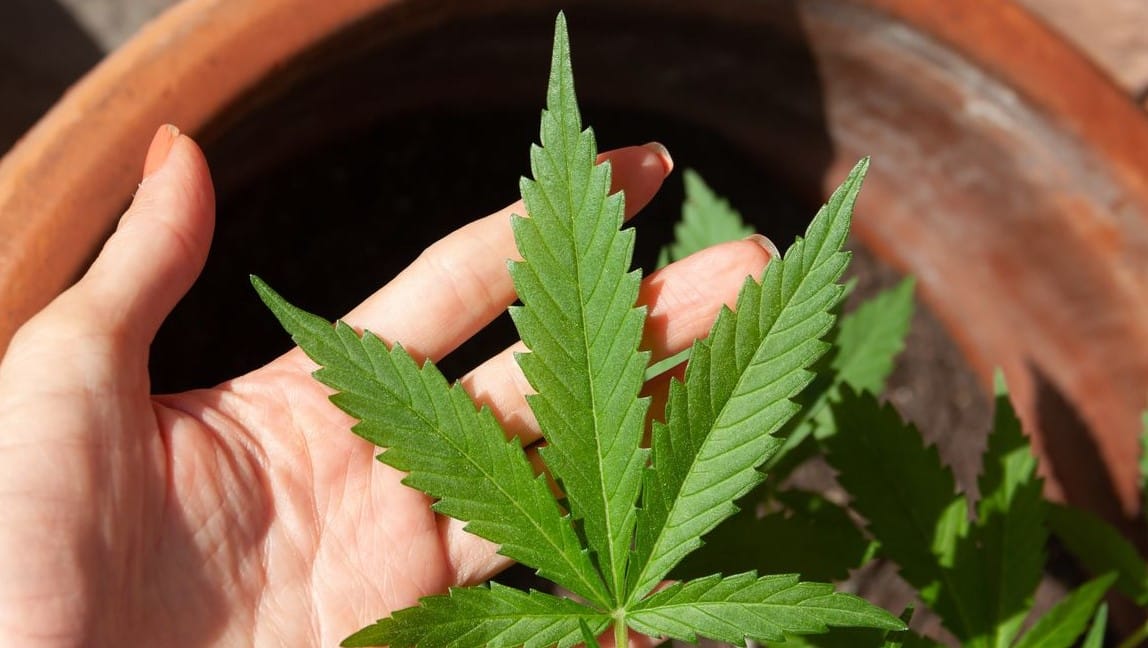
Estados Unidos President Donald Trump has formalized the reclassification of medical marijuana as a less dangerous drug, in a move that promises to ease significant federal restrictions on the substance. The decision was consolidated this Wednesday by Departamento of Justiça, through the acting attorney general, Todd Blanche, marking a turning point in the country’s drug policy. The move fulfills a campaign promise by Trump to expand access to medical treatments and facilitate research.
The category shift is profound and has far-reaching implications. Medical cannabis, which previously appeared in Lista I — reserved for substances without recognized medical use and with a high potential for abuse, such as LSD and heroin — has now been transferred to Lista III. Este’s new framework equates it with controlled-use medications, such as testosterone and anabolic steroids, recognizing its therapeutic potential and reducing the regulatory obstacles that have hindered its development and study for decades.
Maconha leaves Lista I and enters the lower risk category

The transfer of marijuana from Lista I to Lista III represents one of the most significant changes to Estados Unidos federal drug policy in decades. In practice, the measure removes a long-standing federal stigma on the substance, facilitating a series of operations for the legal sector and for patients. Antes, the strict classification in Lista I prevented marijuana from being easily researched, cultivated and distributed, even in states where its use was already legalized for medicinal or recreational purposes. Pesquisadores and health professionals had argued for years that the classification was outdated and scientifically unsound, given the growing body of evidence on the benefits of cannabis.
Lista III, on the other hand, includes substances with a moderate to low abuse potential, but which have recognized medical applications. By aligning marijuana with these drugs, the federal government is signaling an acceptance of its role in treating a variety of conditions. The decision, however, is specific to medical marijuana and does not promote the federal legalization of recreational use of the substance. Companies and state programs that operate within the boundaries of licensed medical marijuana are the main immediate beneficiaries of this reclassification, which aims to bring federal policies into line with the regulatory realities that already exist in much of the country.
What changes with the new measure for the sector and patients
With federal reclassification, medical marijuana will face a much less hostile regulatory environment, clearing paths for industry development and improved access for patients. Esta change has a direct impact on several aspects, from scientific research to the commercial operations of licensed companies.
The main effects of the measure include:
- Legitimação of medical marijuana programs already adopted by about 40 states.
- Criação is an accelerated system for registering licensed producers and distributors with Drug Enforcement Administration (DEA).
- Permissão for researchers to use cannabis authorized by states without risk of federal punishment.
- Autorização, for the first time, for companies in the sector to deduct business expenses from federal taxes.
- Facilitação of scientific research on the medicinal use of the substance, due to the reduction of bureaucratic and financial barriers.
Essas changes are seen as a vital boost to scientific research into cannabis, which was previously severely limited by the bureaucracy associated with Lista I. Departamento’s Departamento hopes the relaxation will stimulate further studies into the safety and effectiveness of marijuana for a range of medical conditions. Para companies, the deduction of business expenses is a substantial financial benefit that can drive growth and formalization of the sector. The measure also represents a practical recognition of the investments and advances made by states that have already established their own legal frameworks for the substance.
Federal and state Legislação: a partial alignment
The complexity of marijuana legislation in Estados Unidos lies in the duality between federal and state laws. Enquanto federal law maintained marijuana as a prohibited substance in Lista I, the reality in the states was quite different. Atualmente, around 40 states allow the medicinal use of cannabis, and more than 20 have already legalized its recreational use. Há also states that only authorize products with low THC content or derivatives such as CBD. Outros states, such as Idaho and Kansas, ban the substance completely while maintaining zero tolerance policies.
The new federal rule recognizes, in practice, the existence and operation of these state programs. Ela represents a partial alignment of federal legislation with regulations already established in much of the North American territory. Embora marijuana remains prohibited at the federal level for recreational use, and products that do not fit into state licensed systems remain in the most restrictive category, the decision minimizes the conflict between jurisdictions. Este movement is an important step toward legal harmonization, reducing uncertainty for businesses and consumers operating under state laws. However, the distinction between federal and state legality will still generate important debates.
Histórico of reclassification and next steps
The reclassification of marijuana is not a new topic in American politics. The process had been discussed for years, with a significant boost during Joe Biden’s administration. In 2022, Biden had requested a review of the substance’s classification, which led to technical analyzes and a period of public consultation. Durante At this stage, around 43 thousand contributions were received from citizens, experts and organizations, demonstrating the broad interest in the topic. Contudo, the process did not progress to a final decision at the time.
Após resumed the presidency, Donald Trump determined that the review process be accelerated, highlighting the importance of its completion. The current decision managed to bypass part of the traditional bureaucratic procedure, using a legal provision that gives the government the prerogative to define the classification of substances based on international treaties. Esta approach allowed for faster implementation of the change, considered by many to be strategic. The Trump government, however, emphasized that this reclassification is just the beginning of a broader debate. Public Audiências is scheduled for June, aiming to discuss the reclassification of cannabis in a more comprehensive way, including uses other than medicinal.
Críticas to the decision and debates in June
Apesar amid enthusiasm from medical marijuana advocates and the industry, the decision to reclassify cannabis has not been without criticism. Opositores argue that flexibility can disproportionately benefit large companies in the industry, creating a market dominated by a few actors and potentially marginalizing small producers. Há also concerns that the measure could minimize risks associated with the drug’s use, although the reclassification does not legalize recreational use federally. Críticos fear that the perception of lower risk could lead to increased usage.
The debates that will follow at the June public hearings will be crucial in shaping the future of cannabis policy in the Estados Unidos. Nessas sessions, experts, health authorities, civil society representatives and industry leaders will have the opportunity to present their arguments. The objective is to evaluate the possibility of additional changes to federal drug legislation, seeking a balance between medicinal access, scientific research and public health and safety concerns. The current ruling, while significant, is seen as a first step in a longer journey to redefine marijuana’s role in American society.
