Hungary receives two new Gripen fighters to reinforce NATO air defense
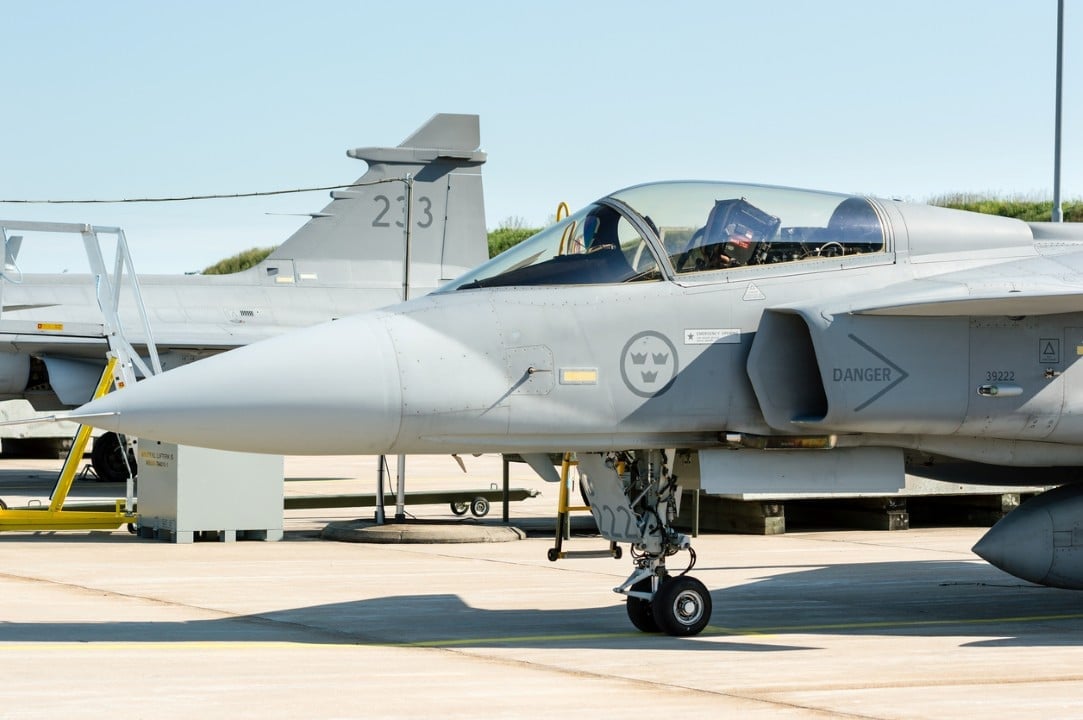
Dois Saab JAS-39C Gripen multipurpose combat aircraft arrived at an air base near Kecskemét, at Hungria, on April 29. The aircraft mark the beginning of the delivery of the first batch of new fighters intended to reinforce the Força Aérea Húngara. The country signed an intergovernmental agreement in February 2024 to acquire four additional units, bringing its total fleet to eighteen aircraft by the end of the summer.
The arrival of the new Gripen represents a significant modernization of Magyar defensive capabilities. Desde the initial lease, Swedish fighters have been employed intensively in securing Hungarian airspace and in support of NATO allies, including four missions in the Baltics as part of Operação of Policiamento Aéreo of Báltico.
Frota expanded and end of lease
The current Hungarian fleet of Gripen operated under a lease, the period of which expires at the end of 2026. Após At that date, the aircraft will become the permanent property of Hungria. Saab has supplied the Hungarian nation with seventeen JAS-39C/D Gripen fighters to date. An additional model was delivered in July 2016 to replace lost equipment — JAS-39D No. 42 was destroyed on May 19, 2015.
Confira the expected delivery schedule:
- Dois JAS-39C fighters delivered on April 29, 2026
- Mais two units expected to arrive before the end of summer
- Total of eighteen aircraft after completion of 2024 agreement
- Transição Lease to Property December 2026
Contexto military and regional security
Força Aérea Húngara has been part of NATO’s collective defense structure since the country’s accession in 1999. Nos In recent years, Hungria’s air presence in the Baltics has reinforced the alliance’s commitment to the security of Eastern European members. Os Gripen participated in joint patrols over Estônia, Lituânia and Letônia, acting as interceptors for civilian aircraft that divert routes and warn of potentially hostile air activity.
The JAS-39C model is a fourth-generation multifunctional tactical fighter developed by Saab. Sua’s ability to perform multiple missions including aerial combat, ground attack and reconnaissance makes it strategic for countries seeking operational economy with maximum defensive efficiency. The flight autonomy of approximately two hours and its speed of Mach 2 qualify the aircraft for long-range patrols over large territories.
Perspectivas for future modernization
Alguns European countries are already planning technological transitions beyond Gripen. República Tcheca, which also operates JAS-39C/D Gripen fighters supplied by Saab in cooperation with the Swedish government, plans to acquire Lockheed Martin F-35A Lightning II multirole fighters as successors to its Gripen fleet. Essa trend reflects NATO members’ interest in fifth-generation aerial platforms with advanced detection, communications and integrated attack capabilities.
Para to Hungria, however, the expansion of the Gripen fleet reaffirms confidence in the Swedish platform. The country prioritizes the reinforcement of existing capabilities rather than immediate replacement with more recent models, a strategy that allows the optimization of defense resources and maintenance of equipment already consolidated in the operational routines of Magyar pilots.
