New affordable device from the Poco brand gains official certification for sales in the international market
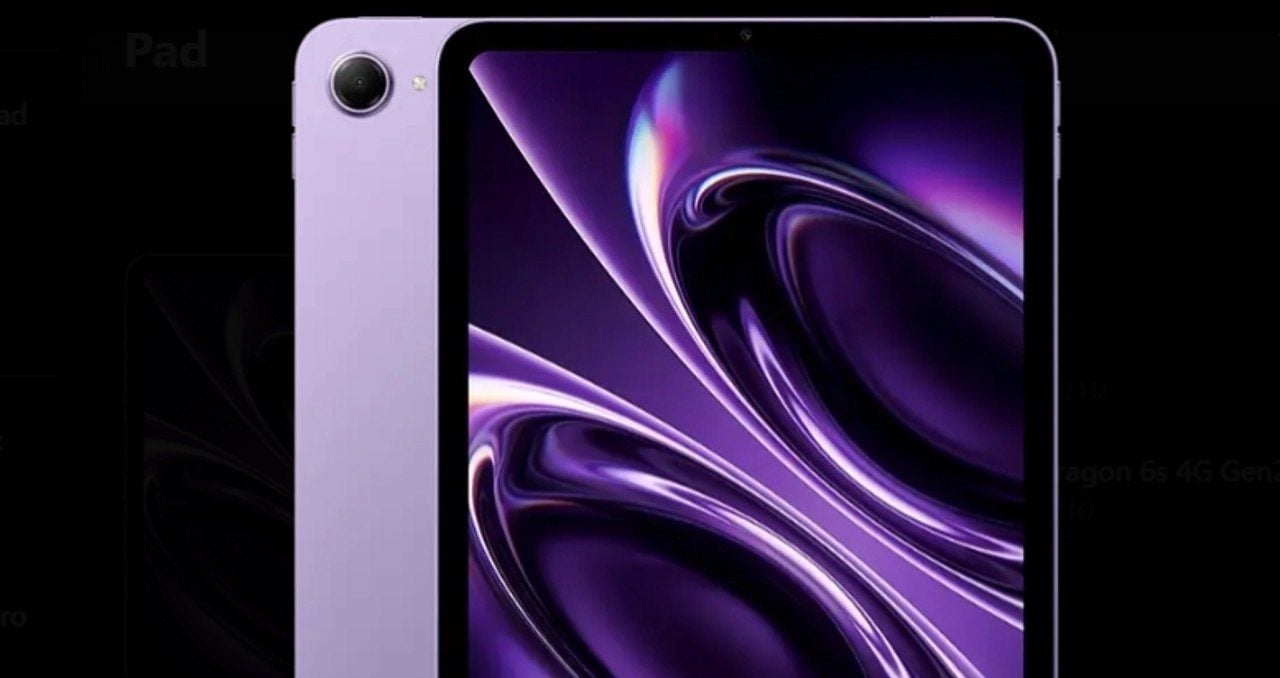
Asian manufacturer Xiaomi is preparing the introduction of a new mobile device aimed at the entry-level segment. The Poco C model Pad recently received approval in the Comissão Federal of Comunicações of the Estados Unidos. Registration with the American regulatory body indicates the imminent availability of the equipment in several regions. The company remains focused on offering low-cost devices to attract new consumers.
The product appears as a direct adaptation of Redmi Pad 2 9.7. The strategy of renaming identical equipment aims to reach different buyer profiles around the world. The basic electronics sector sees high demand in 2026. Estudantes and professionals seek larger screens for daily tasks. The Poco brand tends to attract young audiences with aggressive prices and specific marketing campaigns.

Registro in American agency details equipment characteristics
Public documentation in the agency’s database bears the identification code 2AFZZPC14G. The file confirms the presence of support for 18-watt charging. The manufacturer chose to remove the plug adapter from the original packaging. The consumer will need to purchase the accessory separately or use old units. Essa practice dominates the current technology industry for environmental reasons and logistics cost reduction.
The weight of the device reaches 401 grams. The structure uses fine metal alloys in the composition of the main chassis. The format makes it easy to carry daily in backpacks and conventional bags. The design seeks to move away from the plastic appearance common in very cheap devices. Finishing options include shades validated by the company Pantone. The colors available in stores will be Cinza Frio and Vermelho.
Componentes internals balance performance and autonomy of use
Data processing takes place using the Snapdragon 6s Gen 2 chip. The component delivers sufficient speed for internet browsing and high definition video playback. The processor architecture includes support for 4G mobile networks. The user can maintain the connection outside of wireless internet environments. The configuration meets basic communication needs and access to work platforms.
Memory capacity directly influences the fluidity of the operating system. The equipment offers up to 4 GB of RAM memory for running simultaneous applications. Internal storage reaches 128 GB in the main version. The space allows you to store thousands of photographs and text documents. The side tray accepts microSD cards for physical memory expansion if necessary.
The list of technical specifications presents the following items confirmed by approval documents:
- Tela liquid crystal with 9.7 inches and 2K resolution.
- Panel refresh Taxa set to 120Hz.
- Long-lasting Bateria with 7,600 mAh capacity.
- Câmera rear with 8 megapixel photo sensor.
- Lente 5 megapixel front for video calls.
- Audio Sistema with dual speakers and headphone jack.
The battery promises autonomy of more than 24 hours of moderate use. Power consumption varies depending on screen brightness and audio volume. The 120Hz panel consumes more power than traditional 60Hz displays. User can adjust this setting in system options to save battery. Intelligent energy management extends time away from the socket during long trips.
High-resolution Tela and updated software define the experience
The 9.7-inch display represents the main attraction of the hardware set. 2K resolution displays crisp text and detailed images on streaming platforms. The high refresh rate ensures smooth transitions in menus and when scrolling web pages. Reading digital books and long articles makes your eyes less tired. The screen format favors the consumption of content in a horizontal position.
The HyperOS 3 operating system manages all of the device’s functions. The interface developed by the manufacturer uses Android 16 as a programming base. The software includes artificial intelligence tools for optimizing routines and organizing files. Integration with phones from the same brand occurs natively and quickly. Transferring documents does not require the use of cables or third-party applications.
The presence of dual speakers improves immersion when watching films and series. Stereo sound distributes audio channels along the sides of the metal chassis. The traditional headphone jack caters to users who prefer wired accessories. The market has eliminated this connection in most expensive products in recent years. The input segment preserves the analog port for customer convenience and savings.
Posicionamento commercial targets consumers on a restricted budget
The estimated value of the product at international retail is around US$140.00. Direct conversion points to a highly competitive initial cost in the global market. The final price in Brazilian stores will depend on the tax burden and current import costs. The national minimum wage in 2026 is set at R$1,621.00. The equipment involves a smaller share of family income compared to advanced models from other brands.
The tactic of releasing the same hardware under different brands maximizes the Asian corporation’s profits. The Poco line speaks to audiences interested in casual electronic games and bold design. The Redmi division focuses efforts on families and college students seeking sobriety. Economies of scale reduce manufacturing costs on assembly lines. This discount is passed on to the end customer on retail shelves.
The cheap tablet sector has seen continuous expansion in recent months. The device meets the demand for secondary screens in homes with multiple residents. Shared use among family members requires separate user profiles on the operating system. The global launch just awaits the official announcement from the technology company. Distributors prepare stocks for the start of sales in the coming weeks.
Educational Setor Drives Handheld Device Sales
Educational institutions are increasingly adopting teaching materials in digital format. The weight of school backpacks decreases with the replacement of physical books with electronic files in PDF format. The manufacturer’s new equipment meets the basic requirements of distance learning platforms. The wide screen makes it easy to view graphs and tables during virtual classes. The built-in microphone captures the student’s voice clearly in video conferences.
Parental control integrated into the operating system provides security for children and teenagers. Those responsible can limit daily usage time and block inappropriate websites with just a few taps on the screen. The interface allows the creation of a restricted environment with previously selected educational applications. The durability of the metal chassis resists small impacts common in daily handling. Capas rubberized protection should hit the market together with the launch of the main product.
Investment in basic technology democratizes access to information in emerging countries. 4G connectivity solves the problem of lack of fixed broadband in regions far from large urban centers. The student downloads class content when they have a signal and studies offline later at home. The battery capacity ensures that the device operates throughout the school day without interruptions. Quick recharging during the break restores enough energy for the rest of the study day.
