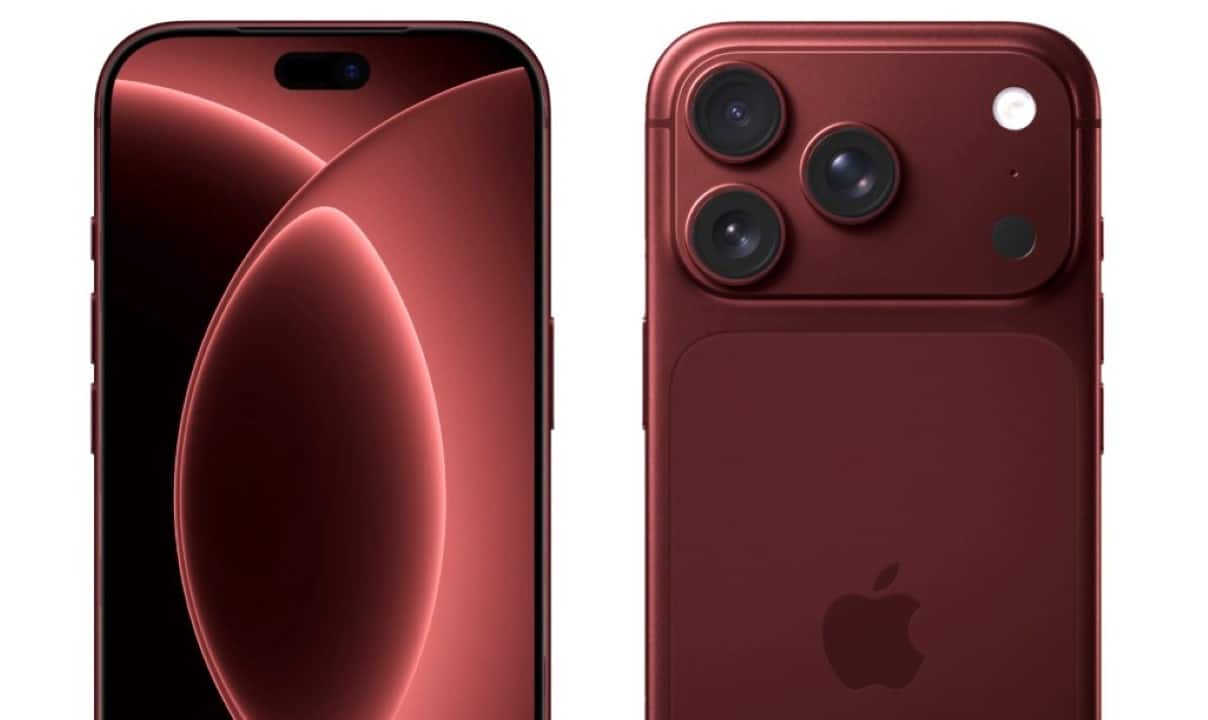
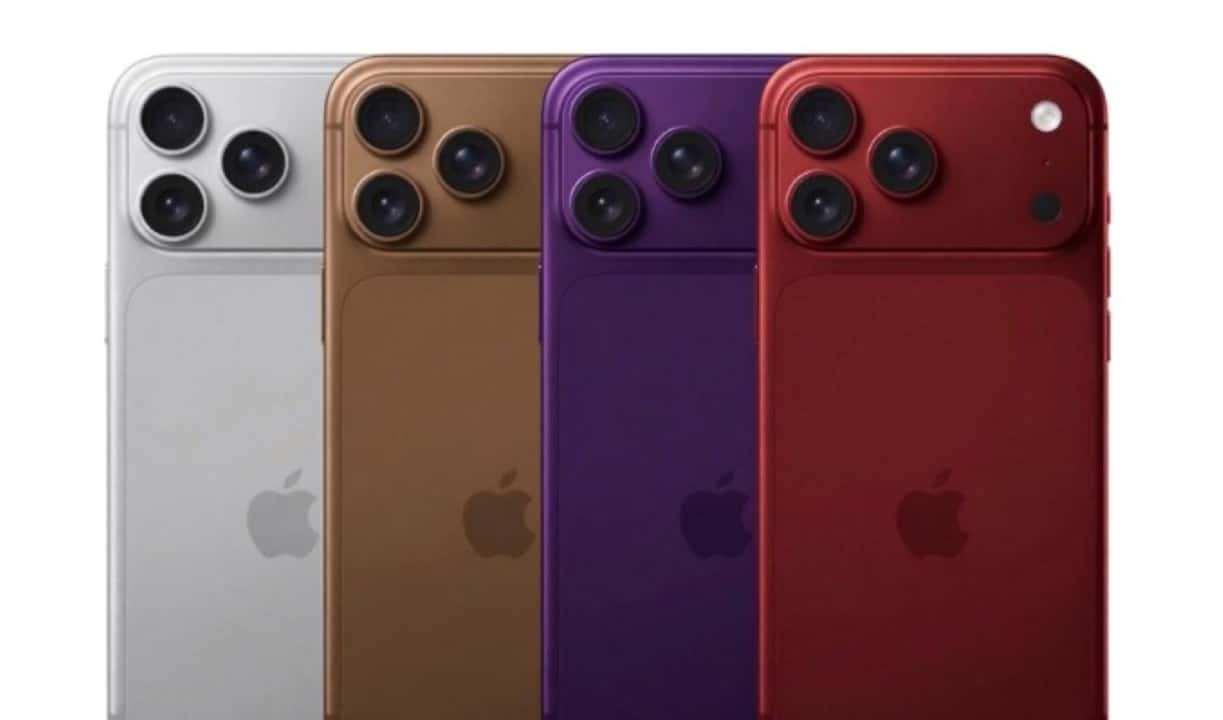
Maquetes of the iPhone 18 Pro Max reveals significant increase in the thickness of the rear camera module. The component grows to accommodate a lens with variable aperture, technology that allows physical adjustment of the aperture for better control of light and depth of field. Comparações between the prototypes and the iPhone 17 Pro Max show measurable differences in several dimensions of the device.
The parts, manufactured by cover producers based on leaked CAD data, indicate a 0.31 mm growth in the rear camera protrusion. The protrusion of the individual lenses rises by 0.54 mm. The total thickness of the device, including the tip of the lenses, goes from 12.92 mm to 13.77 mm. The body without the photographic module varies by only 0.05 mm, suggesting that the increase is concentrated exclusively on the camera unit.
Dimensões needs new prototypes
YouTuber Vadim Yuryev, from the channel Max Tech, published side-by-side images of the models. Ele highlighted that the black glass over the lenses protrudes a little more and the rectangular camera platform appears more robust. The devices maintain overall dimensions similar to the iPhone 17 Pro Max, with slight increases of 0.36 mm in height and 0.39 mm in width.
- Rear camera Saliência: 0.31mm increase
- Individual lens Protrusão: 0.54mm magnification
- Espessura total with lenses: 13.77 mm versus 12.92 mm previously
- Carroceria without camera: 8.8 mm in the new model compared to 8.75 mm
- Espessura with protrusion: 11.54 mm vs 11.23 mm
The comparison table shows that the adjustments are concentrated at the rear. The rest of the design follows the iPhone 17 Pro line, maintaining visual compatibility with the previous generation.
Lente variable as main responsible
The variable aperture lens on the 48 MP main camera explains much of the dimensional change. Diferente of the current fixed system, the new mechanism allows physical adjustment of the aperture, improving light control, depth of field and performance in low-light environments. Fornecedores has already started large-scale production of the component.
Relatos from the supply chain indicate that both the iPhone 18 Pro and Pro Max should receive the technology. The thicker module offers space for the internal mechanism without compromising the overall structure of the device. Outras camera improvements also contribute to the increase, including a larger main sensor, improved optical stabilization at ultra-wide and a telephoto lens with a wider aperture.
Impactos practical in everyday life
Usuários will notice the larger protrusion when resting the phone on the table. The weight may increase slightly according to preliminary analyses, although the increase should not drastically alter handling. The change will require cases compatible with the new dimensions, boosting the accessories market.
Analistas point out that the priority is image quality. The variable aperture allows for brighter photos in dark environments or greater clarity in bright conditions. Natural bokeh gains strength without relying exclusively on computational processing. Desenvolvedores photography applications gain new possibilities with direct aperture control, allowing fluid integration into camera software.
Estratégia Apple and expected release
Updates are not limited to Pro Max. Maquetes of the iPhone 18 Pro follow a similar trend, with a rear camera growing on both devices to maintain consistency in the Pro line. The launch is scheduled for September 2026, although Apple has not yet officially confirmed details.
Mockups are mainly used to prepare accessories and reflect supply chain data, but the final product may be fine-tuned before announcement. The strategy reinforces Apple’s investment in camera hardware, keeping pace with competitors that have been exploring variable apertures for years. The covers and protectors market is already quickly adapting to new prototypes, using models for precise molds.
