
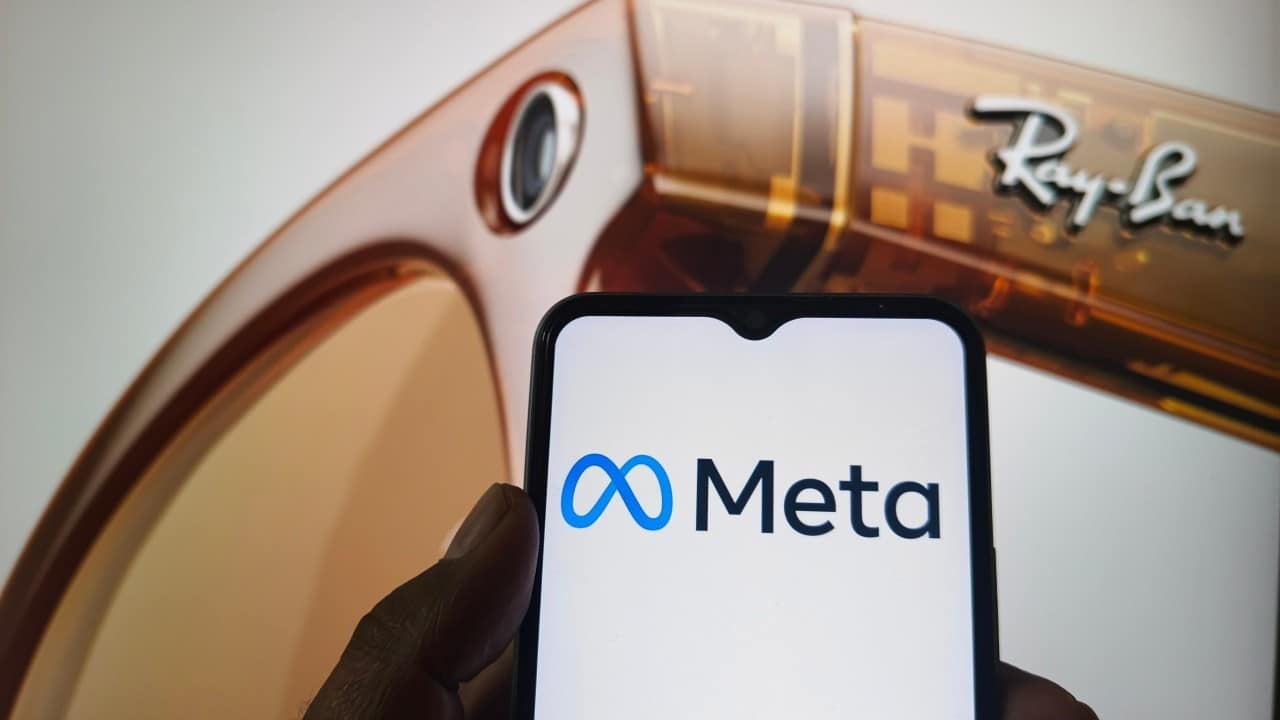
Especificações technicals of a new smart glasses device from Samsung were leaked in April, revealing equipment poised to compete directly with the Ray-Ban Meta. The prototype, with no official name yet confirmed, integrates an Qualcomm Snapdragon AR1 processor, 12 megapixel camera and 155 mAh battery. Imagens obtained by industry sources shows a more prominent camera design than that of the Meta’s direct competitor. The official launch could take place in July 2026, during the South Korean company’s annual Unpacked event.
Processador and camera in line with the competition
Samsung’s new smart glasses bring a hardware configuration in line with the latest generation of wearables for augmented reality. The device weighs approximately 50 grams and offers connectivity via Wi-Fi and Bluetooth 5.3. The choice of the Snapdragon AR1 processor was already expected by the technology industry, consolidating itself as the standard for this market segment.
- Processador Qualcomm Snapdragon AR1 for augmented reality processing.
- Main Câmera with 12-megapixel Sony IMX681 sensor, matching the Ray-Ban Meta.
- Bateria 155 mAh, comparable in capacity to that of the direct competitor.
- Lentes photosensitive that automatically darkens in bright sunlight.
- Alto directional speakers with bone conduction technology according to registered patents.
- Plataforma Android XR with Gemini wizard integration from Google.
The 12-megapixel camera sensor matches the performance of the Ray-Ban Meta, indicating technical parity between the two products. The 155 mAh battery offers similar capacity, suggesting comparable autonomy in continuous use. Essa specification equivalence reflects the fierce competition in the augmented reality wearables segment.
Design differentiated with visually highlighted camera
The leaked images reveal a camera with a more obvious protrusion than that of the Ray-Ban Meta. Analistas suggest that this stylistic decision aims to make it visible to observers that the user is equipped with an image capture device. The general design follows a similar visual language to the Ray-Ban Meta, with a frame in neutral tones and darkened lenses.
Automatic photosensitive lenses represent a distinctive feature of the new Samsung glasses. No Ray-Ban Meta, this technology is an optional additional cost accessory, available in five frame models: Wayfarer, Skyler, Headliner, Blayzer and Scriber. The inclusion of photochromic technology in the new Samsung device suggests a competitive edge in the augmented reality wearables market.
Android XR as a unified market platform
The Android XR operating system represents the Google’s bet for augmented reality in wearable devices. Integration with the Gemini assistant brings Samsung in line with the search giant’s artificial intelligence strategy. Esse movement marks convergence between traditional hardware manufacturers and the Google software ecosystem, consolidating Android XR as the standard platform for the segment.
Outras manufacturers have already confirmed partnerships with the Google for Android XR. Gentle Monster and Warby Parker develop models scheduled for launch in 2026. Kering, parent company of the Gucci brand, also announced a collaboration for luxury smart glasses running the same operating system. Essa trend indicates consolidation of Android XR as the dominant solution for augmented reality wearables in the global market.
Competitive pricing Faixa and future roadmap
Fontes from the industry reported a price forecast of between US$379 and US$499 for Samsung’s smart glasses. Essa range exactly matches that of the second generation Ray-Ban Meta, no optional accessories included. Especialistas in the market interpret this equivalence as a symptom of fierce competition in the wearables segment. Samsung is also developing a second generation of smart glasses with an integrated display, codenamed “Haean”, which could be launched in 2027 with a price range between US$600 and US$900. Essa’s two-line product strategy mirrors the approach adopted by Meta with Ray-Ban basic Meta and Ray-Ban Display with integrated screen.
The Unpacked event scheduled for July 2026 should reveal official confirmations about the product name, commercial launch date and regional availability. Especulações goes on to discuss additional features not disclosed in the leaked images, such as video capture quality, frame rate and actual battery life in continuous use. Samsung has not responded publicly regarding the authenticity of the images to date.
