Capcom celebrates 30 years of Resident Evil with 6 million units sold of the game Requiem
Developer Capcom records a significant commercial milestone with the Resident Evil franchise, which reaches three decades of existence on March 22, 2026. The most recent title in the series, called Resident Evil: Requiem, surpassed the mark of 6 million copies sold globally in a period of less than thirty days after its arrival on the market in February. The sales figures consolidate the strength of intellectual property in the digital entertainment segment.
The brand’s trajectory began as an experimental project for the first PlayStation in 1996 and evolved into a financial pillar for the Japanese company. The new game’s performance demonstrates the retention of the veteran audience and the attraction of new consumers to the survival horror genre. The company’s Executivos organize a series of promotional actions to integrate the current success with the historic date.
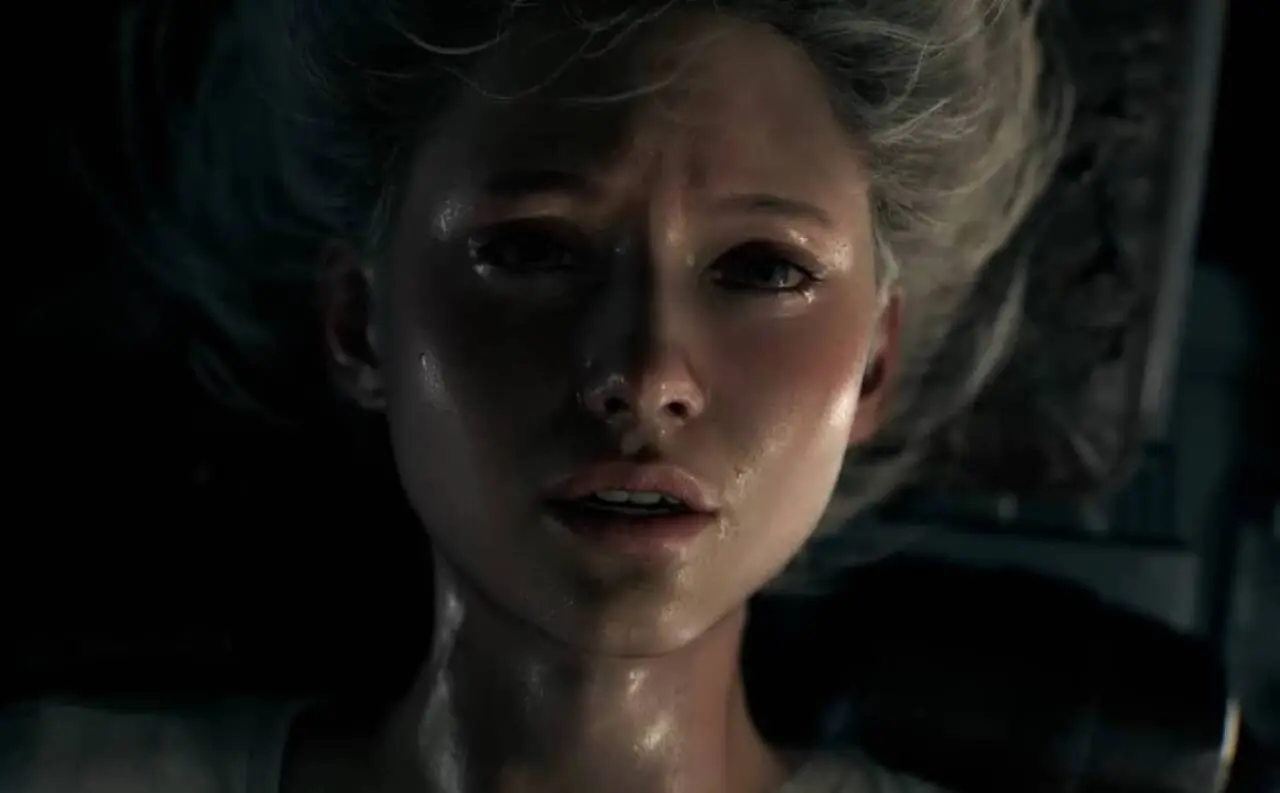
Impacto commercial for the new release boosts celebrations
The sales volume of Resident Evil: Requiem reflects the developer’s strategy of maintaining the cadence of high-budget releases. The sale of 6 million units in a few weeks places the title among the fastest-selling products in the producer’s history. The game features updated combat and exploration mechanics, adapting the classic formula to the technological standards of modern consoles.
Analistas from the video game market point out that the public’s positive reception stems from the balance between graphic innovation and respect for the series’ identity. The Japanese company invested in marketing campaigns aimed at different regions, expanding the product’s reach in América from Norte, Europa and Ásia. The immediate financial return guarantees the financing of future projects within the same narrative universe.
The active player base keeps the servers and discussion forums busy with debates about the narrative and discoveries of secrets hidden in the setting. The producer monitors community engagement to plan updates and additional content throughout 2026. Strategic planning aims to extend the life of the game and sustain consumer interest until the next announcement cycle.
Origens from the franchise laid the foundations of survival horror
The current scenario contrasts with the challenges faced during the release of the first game in the 1990s. The original work introduced audiences to an elite team called S.T.A.R.S., sent to investigate mysterious disappearances in the forests around the fictional city of Raccoon City. The characters end up isolated in a mansion taken over by mutant and undead creatures, creating the basic premise that would guide the sequences.
Commercial reception in the first months of 1996 occurred slowly, influenced by the lack of massive advertising campaigns and the newness of the format. The growth in popularity depended on direct recommendation among Sony console owners. The atmosphere of the mansion, enhanced by the hardware limitations of the time, generated an immersive experience unprecedented by industry standards.
The developers used fixed camera angles to direct the player’s view and hide threats in the corners of corridors. Essa technical decision, initially adopted to save graphics processing, has become a fundamental tool for building tension. The sound of footsteps and the moans of creatures functioned as sound warnings essential for survival in closed environments.
Mecânicas of survival and differences between protagonists
The gameplay structure of the inaugural title required motor adaptation and logistical planning on the part of the user. The controls known as tank format forced the player to rotate the character on its own axis before moving forward or backward. The rigid movement resulted in frequent collisions with the scenery during the first hours of experimentation, increasing vulnerability to enemies.
The scarcity of resources represented the core of the challenge proposed by the creators. The limited amount of ammunition and healing items forced the adoption of evasive tactics, turning combat into an option of last resort. The save system also depended on a consumable item, requiring extra caution in progression.
The choice of the main character significantly changed the difficulty and exploration route of the mansion. Differences programmed by the developers included:
- Capacidade expanded inventory for the character Jill Valentine, allowing the simultaneous transport of more keys and weapons.
- Utilização of an exclusive lockpick by the female protagonist to open drawers and locked doors without the need to look for specific keys.
- Restrição takes up space in the character Chris Redfield’s inventory, requiring constant trips to storage chests.
- Maior resistance to physical damage and accuracy with firearms assigned to the male protagonist during direct confrontations.
Mentally mapping corridors and memorizing the location of medicinal herbs became mandatory skills for completing the campaign. The gaming community developed optimized routes to avoid contact with zombie dogs and other fast-moving threats that invaded the scene through windows.
Eventos globals mark series anniversary calendar
The thirtieth anniversary of intellectual property moves commercial partnerships outside the digital environment. Capcom has structured a calendar of in-person events that includes collaborations with the Universal Studios Japan theme park. Immersive attractions allow visitors to walk through recreations of iconic scenes and interact with actors portrayed as the franchise’s monsters.
The commemorative program includes an orchestral concert tour scheduled to tour the capitals of Ásia, Europa and América of Norte. Músicos professionals perform the games’ original soundtracks while big screens show notable moments from the series’ chronology. Ticket sales for musical performances attract both longtime fans and entertainment-oriented instrumental music enthusiasts.
The developer’s official internet portal received a visual update with sections dedicated to the brand’s retrospective. The site features never-before-seen concept art, anniversary-themed logos, and interviews with the original creators. The virtual space functions as a historical archive that documents the transition from the niche game of 1996 to the global phenomenon of 2026.
The series’ continuity demonstrates the company’s ability to reinvent its intellectual properties without discarding the fundamental elements of its identity. Requiem’s commercial performance provides the financial basis for expanding the narrative universe into other media, such as film productions and animations. The production company’s development department remains focused on creating new technologies to sustain the survival horror format on the next generations of hardware.
The Japanese company’s long-term planning involves preserving the classic catalog on contemporary digital platforms. Executivos confirmed their intention to keep old titles accessible for research and consumption by new generations of players. The digital conservation strategy runs in parallel with investments in new, big-budget productions.
