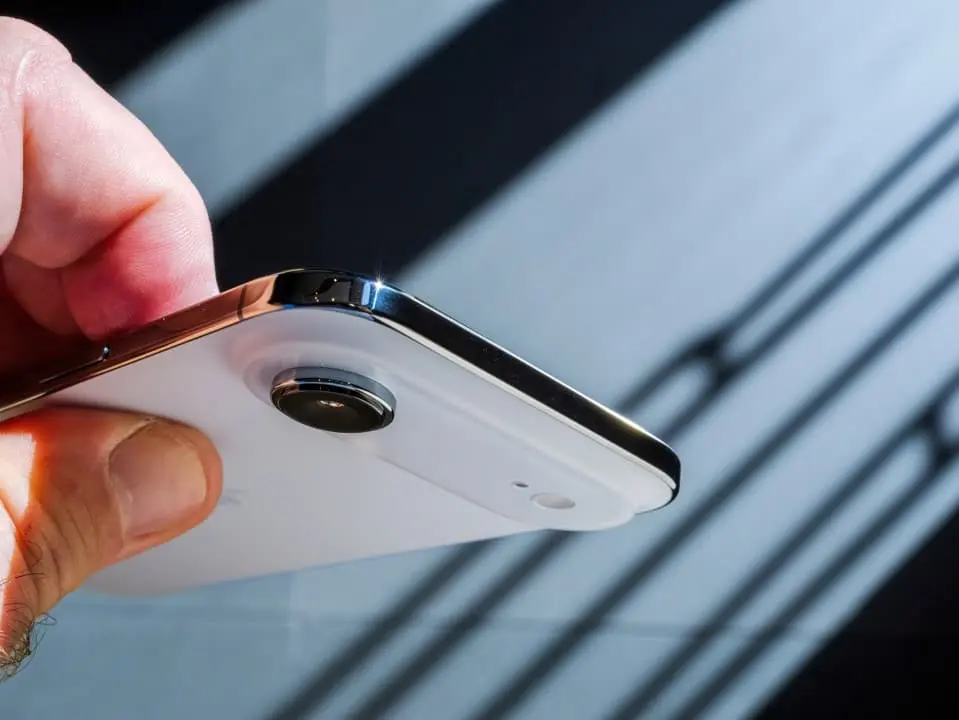
Google schedules the arrival of the Pixel 10a on the Japanese market with a focus on fast charging and flat design

Google prepares the official launch of the Pixel 10a smartphone on the Japão market for the month of April. The device arrives in the Asian country weeks after its commercial debut on the Estados Unidos, which took place in early March. The company’s new bet for the intermediate segment focuses on specific updates in relation to the previous model, prioritizing ergonomic adjustments and improvements to the energy supply system.
The manufacturer chose to maintain the Tensor G4 processor, ensuring compatibility with artificial intelligence tools already consolidated in the main line. The estimated price for Japanese retail is around 80,000 yen, a value that reflects the direct conversion of the US$499 price tag. The commercial strategy seeks to attract consumers who demand stable performance without the cost of premium category devices.
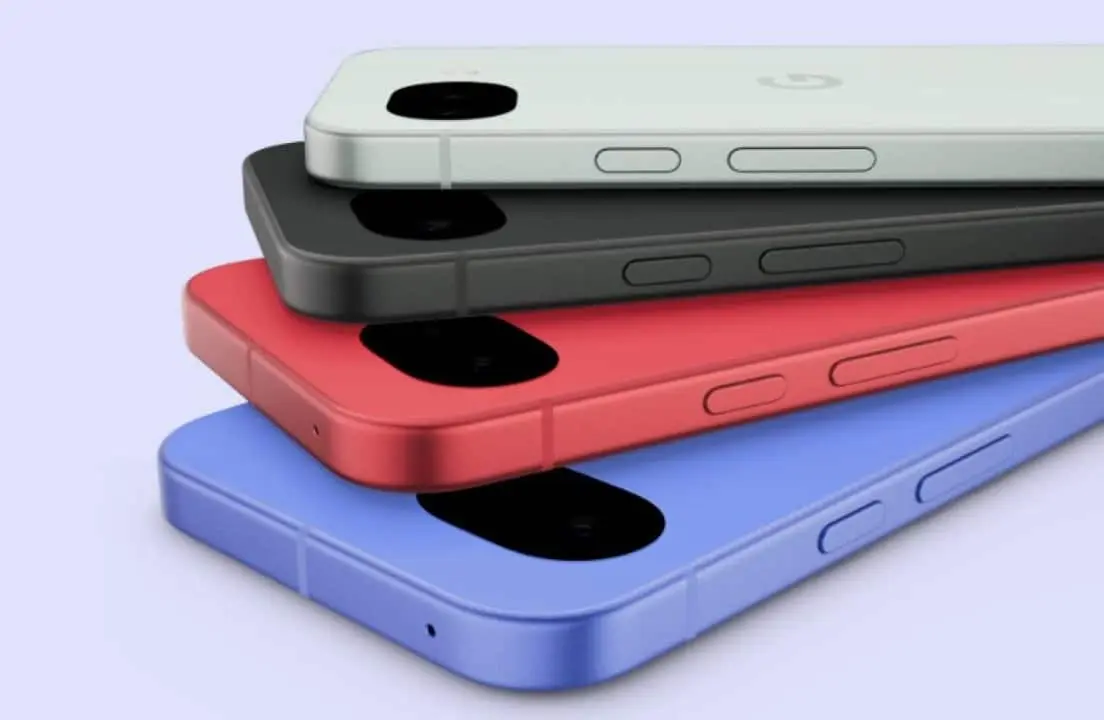
Mudanças visuals eliminate missing module on the back of the device
The most noticeable change to the new phone’s design involves the structure of the rear cameras. The company removed the traditional horizontal protrusion that characterized previous generations, delivering a completely flat rear panel. Essa structural modification allows the user to place the equipment on tables or smooth surfaces without the characteristic rocking caused by uneven lenses.
The physical construction of the equipment combines a robust aluminum frame with a high-density plastic back finish. The total weight of the product reaches 183 grams, registering a slight reduction in direct comparison with the Pixel 9a. The color catalog provided by the manufacturer includes the Berry option, characterized by a vibrant red tone, accompanied by the Lavender, Fog and Obsidian variants.
The redesign seeks to align the intermediate device with current market trends, which value straight lines and visual symmetry. The adoption of Gorilla Glass 7i protective glass on the front adds an extra layer of security against superficial scratches and accidental impacts. The material represents an advance in the panel’s durability during transport in pockets or backpacks.
Brighter Tela and jump in battery charging speed
The front panel sports a 6.3-inch OLED screen equipped with a refresh rate of 120 Hz. The component delivers fluid transitions when browsing applications and scrolling web pages. The maximum brightness level reaches 3,000 nits, surpassing the 2,700 nits recorded in last year’s version and making it easier to read texts in direct sunlight.
The power module preserves the capacity of 5,100 mAh, maintaining autonomy for daily use at levels similar to its predecessor. The main technical evolution of the set lies in the wired charging system, which now supports powers of up to 45W. The previous model limited this specification to 23W, requiring more time plugged in to reach a full charge.
The wireless charging mode also received improvements in the new generation of smartphones. The support went from 7.5W to 10W, optimizing the use of magnetic bases on work tables or vehicle supports. Essas electrical adjustments respond to users’ frequent demand for rapid energy replacement at short intervals throughout the day.
Especificações techniques maintain processor and camera array
The phone’s processing core operates under the command of the Tensor G4 chipset, developed by the manufacturer itself. The hardware works together with 8 GB of RAM and offers internal storage options of 128 GB or 256 GB. The Android 16 operating system is factory installed, delivering a clean interface and agile navigation in everyday tasks.
The photography department preserves the sensor configuration already known to users of the brand. The rear system houses a 48-megapixel main lens and a 13-megapixel ultra-wide-angle sensor. The front camera, dedicated to selfies and video calls, also operates at a resolution of 13 megapixels. Image processing software compensates for the physical limitations of lenses with automatic color and contrast adjustments.
The device’s photographic structure has the following main components:
- 48-megapixel main Sensor with stabilization for everyday captures.
- 13-megapixel ultra-wide-angle Lente intended for wide scenes and groups.
- Câmera 13-megapixel front-facing camera optimized for high-definition video calls.
The lack of profound innovations in capture hardware reflects the product’s positioning in the company’s portfolio. The integrated processor does not support all of the advanced artificial intelligence tools available on the Pixel 10 and Pro 10 models. Complex edition-specific Funções features, such as the Magic Cue feature, remain restricted to higher-cost devices.
Desempenho in gaming and application ecosystem integration
Running heavy applications and games with three-dimensional graphics runs stably most of the time. The Tensor G4 processor can manage the internal temperature of the chassis during prolonged sessions of intense use. Quedas frame rate spikes may occur in titles that require maximum rendering, a standard behavior for devices that are not in the ultra-high performance category.
Integration with the Android developer’s ecosystem of services flows natively on the new device. Cloud storage, contact syncing, and password management operate in the background without draining your battery excessively. Usuários who already have other devices from the brand find it easy to transfer data during the initial configuration of the phone.
The Asian market presents strong competition in the mobile phone segment, with several local manufacturers offering devices with aggressive specifications. The bet on clean software and guaranteed updates tries to differentiate the American product on the shelves of electronics stores in Tóquio and other large cities. The strategy focuses on customer loyalty through the long-term reliability of the system.
Estratégia commercial focuses on longevity and resistance in daily use
Protection against external elements is reinforced with IP68 certification, which attests to the equipment’s resistance to water infiltration and dust particles. The seal ensures the phone works even after accidental submersion in fresh water. Essa technical feature raises the bar for the category of mid-range smartphones sold in the Asian market.
The manufacturer’s commitment to software updates represents a major factor in the purchasing decision. The company guarantees seven years of continuous support for the operating system and security packages. The technological longevity policy protects consumer investment in the long term, reducing the need for frequent device changes due to planned obsolescence.
The release window on Japão follows the brand’s historic timeline of releasing its products in regional waves. Local consumers are waiting for the start of the pre-sale period, which should occur days before the devices physically arrive on the shelves. Market reception will indicate the effectiveness of the strategy of prioritizing functional adjustments over radical internal design redesigns.