United States agency approves international launch of new Poco brand tablet with high fluidity screen
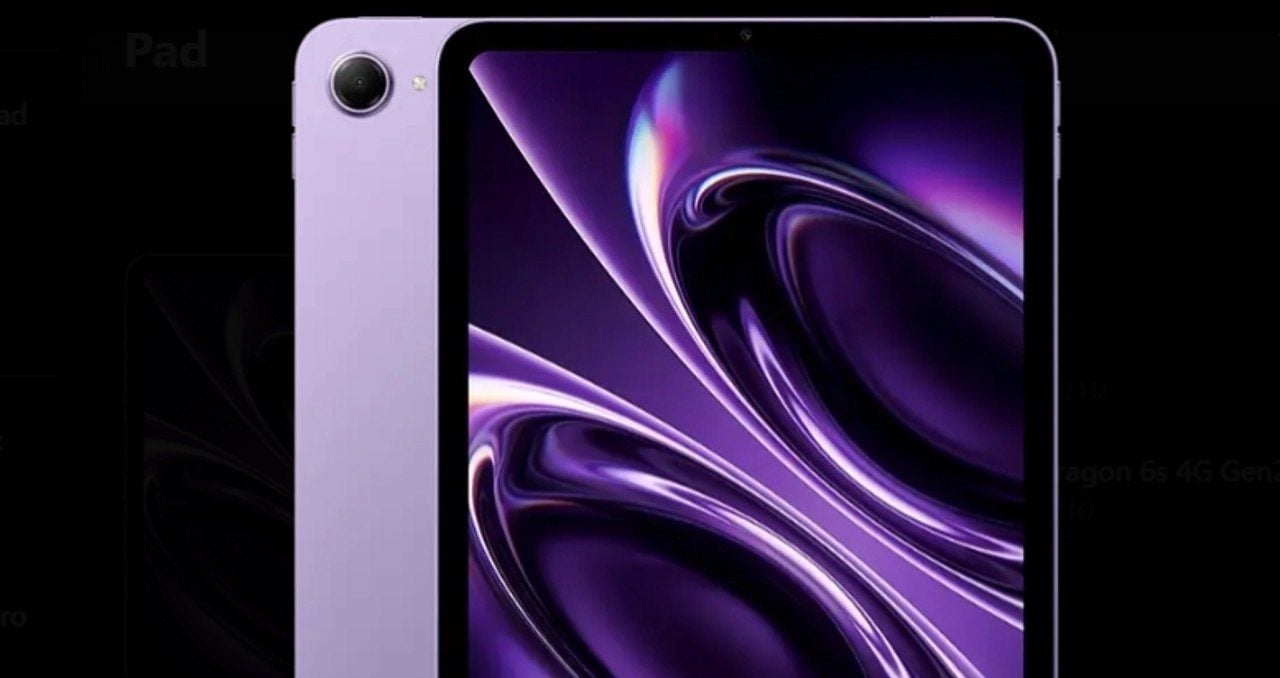
Comissão Federal of Comunicações of Estados Unidos has issued official certification for a new mobile device from Chinese manufacturer Xiaomi. The device received registration in the American regulatory body’s database this week. Public Documentos confirms the trade name of Poco C Pad. Technical approval represents the final step before distributing the product in different regions of the world. The market was awaiting the release of the document.
The equipment consists of an adapted version of the already known Redmi Pad 2 9.7. The company adopts a frequent tactic of renaming identical hardware to reach different audiences in specific markets around the globe. Consumidores increasingly seek practical alternatives for daily productivity and leisure tasks. The new tablet attempts to fill the exact gap between small-screen smartphones and traditional portable computers with a considerably reduced purchase cost. The demand for complementary screens has grown in recent years.

Especificações techniques reveal focus on media consumption
The front panel features a 9.7-inch liquid crystal display. The manufacturer implemented an image resolution of the 2K standard. The refresh rate reaches the 120Hz mark. Essa technical feature ensures smooth image transitions while browsing web pages and social networking apps seamlessly. Usuários notice an immediate difference in fluidity when comparing the component to traditional 60Hz displays.
Data processing takes place using the Snapdragon 6s Gen 2 chip developed by Qualcomm. The semiconductor offers native support for internet connections on high-speed 4G networks. The base memory configuration includes 4 GB of RAM for managing concurrent tasks and transitioning between open applications. Internal storage space reaches 128 GB of total capacity for system files and personal documents. The project allows the expansion of this memory by inserting high-capacity microSD cards.
The device’s internal architecture was designed to maintain controlled temperature even during intense use. The processor works together with the memory to avoid unwanted crashes. The operating system manages hardware resources dynamically. The end user receives a seamless user experience without processing bottlenecks.
- High-density Bateria with 7,600 mAh rated capacity
- Câmera rear camera equipped with 8 megapixel sensor
- Lente 5 megapixel front facing video calls
- Sistema dual speakers for stereo sound reproduction
- Traditional physical Entrada for connecting wired headphones
The set of electronic components perfectly meets the needs of casual users looking for entertainment. Estudantes can carry out complex academic research and participate in virtual classes without signal interruptions. The processor efficiently handles video-on-demand playback platforms and electronic games with low graphical requirements. The presence of a headphone jack pleases consumers who prefer traditional wired accessories rather than models with a wireless connection. Stereo audio quality improves immersion when watching movies and series indoors.
Estrutura physics prioritizes mobility and extended use
Product engineering resulted in a chassis weighing approximately 401 grams. The body of the device uses a fine metal alloy in its main composition. Essa lightweight structure makes it easy to carry daily inside backpacks or small bags. Profissionais can hold the equipment with just one hand during long periods of reading. Muscle fatigue is considerably reduced compared to using heavier devices made from older materials.
The design department chose two external finishing options certified by the company Pantone. The colors available in stores will be Cinza Frio and Vermelho. The metallic paint conveys a tactile sensation of a superior product, despite its positioning in the entry-level category. The distinctive look helps the device stand out in physical and virtual showcases in a sector highly contested by several Asian brands.
Autonomia power and operating system integration
The 7,600 mAh energy reservoir provides autonomy for more than a day of use. The cycle supports continuous reading, browsing and high-definition movie playback sessions. The recharging system operates at 18 watts. The product box will not include the original plug adapter due to cost-cutting decisions by the manufacturer. The consumer will need to use a compatible charger.
The software environment runs under the proprietary HyperOS 3 interface developed internally by the brand. The platform works based on Google’s Android 16 operating system source code. The interface offers native artificial intelligence tools for optimizing daily routines and saving battery power. Proprietários phones from the same manufacturer take advantage of an integrated wireless communications ecosystem. The transfer of heavy files between screens occurs instantly through direct connection protocols. The software also allows you to mirror cell phone notifications directly on the larger display.
Commercial Posicionamento targets entry segment
Analistas projects a launch price close to US$140 at international retail during the first weeks of sale. The converted value positions the equipment as an extremely viable alternative for families on a limited budget who need extra screens. The final cost in América Latina countries will undergo substantial changes due to the incidence of import taxes and complex regional logistics fees. Brazilian retailers tend to apply specific profit margins on imported electronics in this category, which increases the price at the end of the consumption chain.
The Chinese company’s brand division follows a clear standard of commercial activity in the international technology market. The Poco nomenclature attracts a younger audience strongly interested in electronic games and rapid consumption of digital media. The Redmi seal maintains the historic focus on basic productivity and everyday corporate family use. The repetition of this strategy in the large screen market demonstrates the manufacturer’s confidence in the established business model. The diversification of names increases the physical presence of products on the shelves of large retail chains and dominates searches on e-commerce platforms.
The official global distribution schedule remains under absolute corporate secrecy by the company’s management. The issuance of the certificate by the American regulatory agency clearly indicates that mass production has already begun in Asian factories. Lojas e-commerce companies are preparing their logistics platforms for the start of sales in the next few weeks of the commercial calendar. The technology sector awaits confirmation on the availability of versions with different RAM memory capacities in Western markets. The arrival of the product will intensify competition in the low-cost device segment.
